The PSA Group and the CK Birla Group sign joint-venture agreements to produce and sell vehicles and components in India by 2020
- Indian project in line with PSA strategic plan “Push to Pass” and the growth plan of the CK Birla Group in the automotive sector
- “Be Indian in India”: Long term partnership with an initial investment in capital expenditure close to €100 million (INR 700 cr) for vehicle and powertrain manufacturing in the State of Tamil Nadu
- Bring state of the art technology for an eco-friendly and safe new product range in line with future industry norms and customers’ expectations
The ceremony of signature held today lays the foundation for a long term partnership between the two Groups and represents a key milestone in the development of the PSA Group in India, a cornerstone of its strategic growth plan “Push to Pass”. The CK Birla Group further deepens its capabilities in the auto component and automotive sector in India.
The partnership entails two joint-venture agreements between the PSA Group and the CK Birla Group companies.
As part of the first agreement, the PSA Group will hold a majority stake in the joint-venture company being set-up with HMFCL for the assembly and distribution of PSA passenger cars in India.
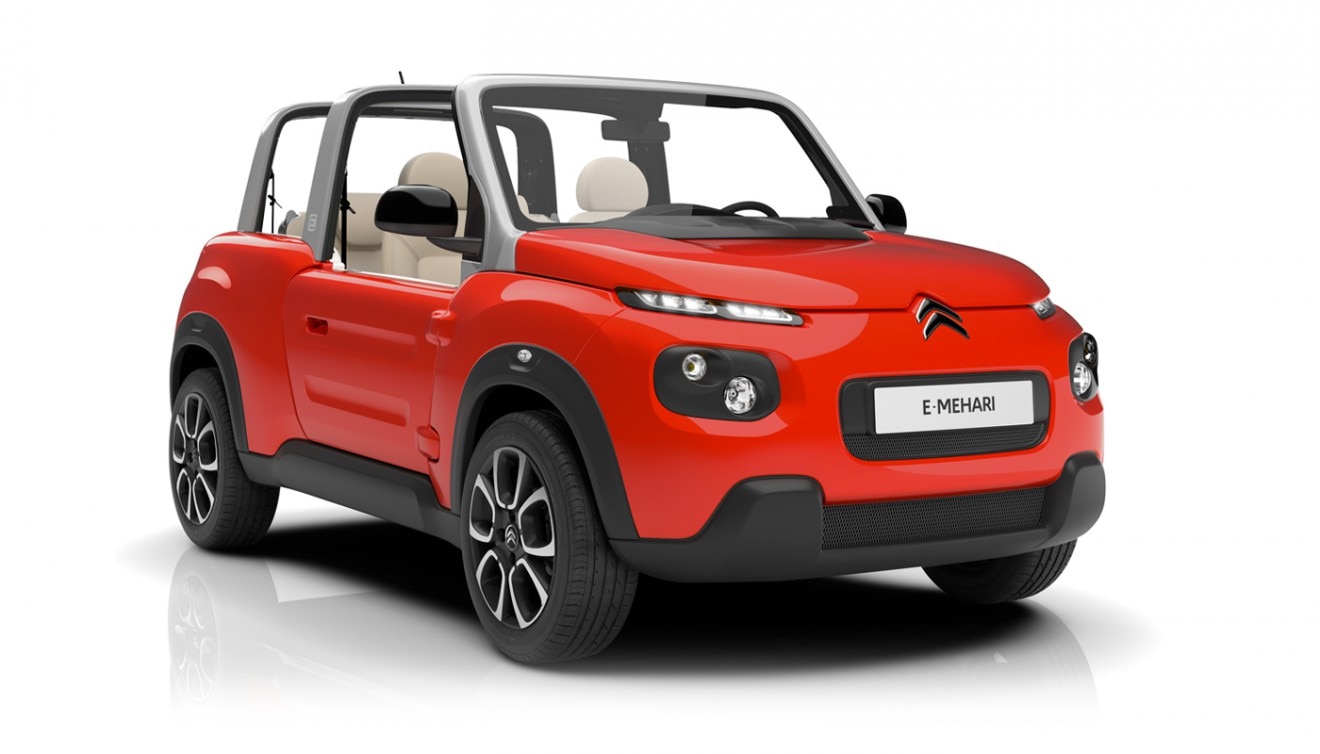
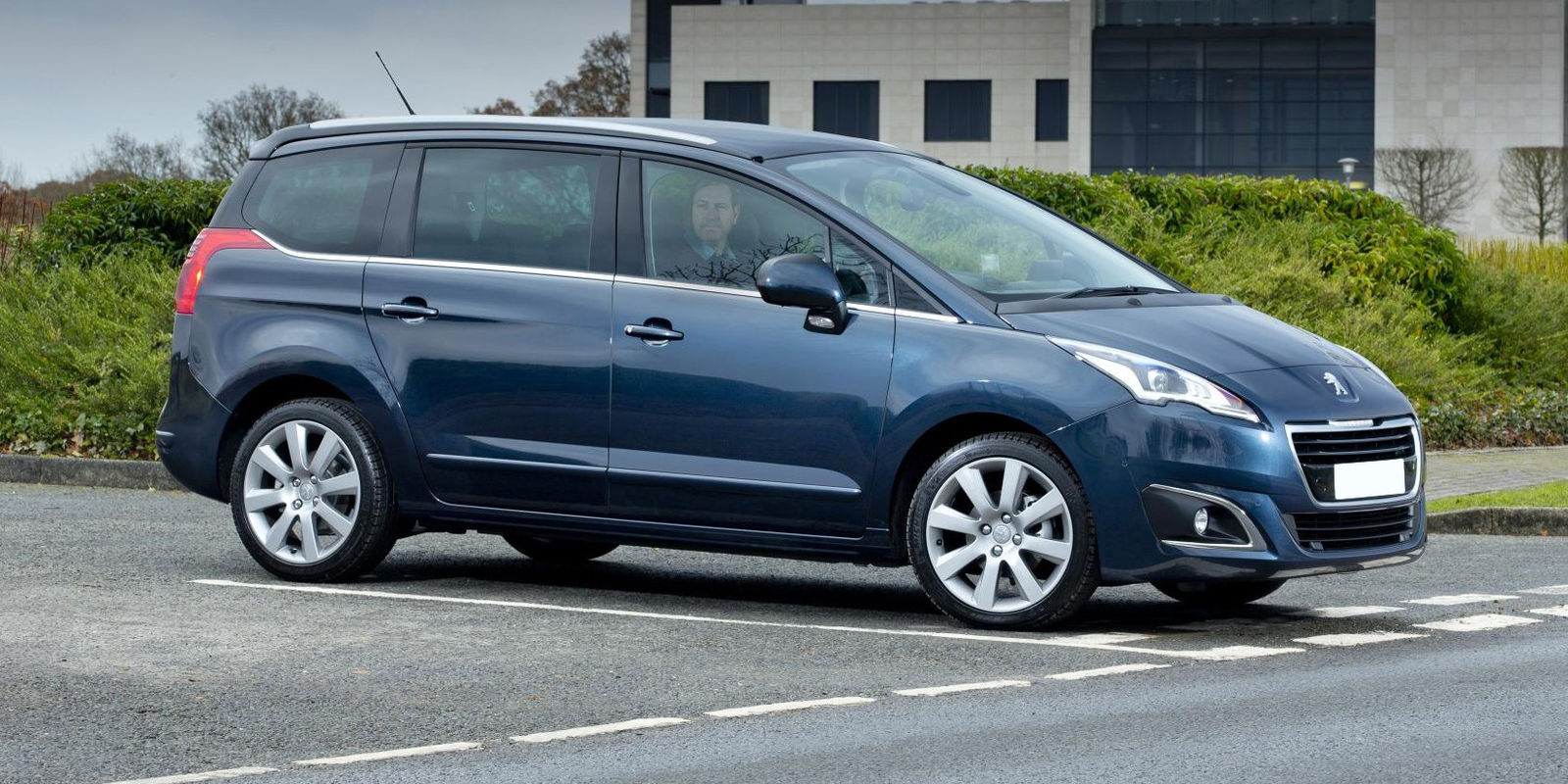
None of the pictures below should be considered as cars that will or will not be
produced in India in Joint agreement with Peugeot.




As per the second agreement, a 50:50 joint-venture is being set-up between the PSA Group and AVTEC Ltd for manufacture and supply of powertrains. The manufacturing sites for both vehicle assembly and powertrains will be based in the state of Tamil Nadu.
The initial manufacturing capacity will be set at about 100,000 vehicles per year and will be followed by incremental investment to support a progressive ramp-up of the long term project. The manufacturing capacity for powertrains will cater to the domestic market needs and global OEMs. The performance of the industrial set-up will be supported by a significant level of localization, in order to reach the necessary cost competitiveness.
This long term partnership will allow both companies to participate in the growth of the Indian automotive market, which is expected to reach 8 to 10 million cars by 2025(1) from current 3 million in 2016.
Commenting on the agreements, Carlos Tavares, Chairman of the Managing Board of PSA Group said: "Benefitting from the strong support of our Indian partner, the CK Birla Group, and a shared vision, this project is consistent with the strong execution of our Push to Pass strategic plan and represents a major step in PSA Group’s worldwide profitable growth in key automotive markets.”
Speaking to the press in Paris on this momentous occasion, Mr. CK Birla, Chairman, the CK Birla Group, said “We have embraced ‘Make in India for India and the World’ for several decades and are among the early adopters of frugal manufacturing in the country. I am confident that the coming together of the latest state-of-the-art technology from the PSA Group and the engineering and manufacturing excellence of the CK Birla Group will benefit the automotive sector in India.”