Purpose

I will try my best to provide detailed info on various cars and what is like to live with them, I have already produced a few for Jaguar-car-forums, I will do my best to be unbiased, but it will be hard for some cars. I will re-produce press releases and copy from other motoring news.
Showing posts with label Ford Fiesta. Show all posts

Tuesday, 4 July 2017

The 2017 Auto Trader New Car Awards was held with the Jaguar XF taking the Car of the year.

  • 10,000 car buyers have their say on the UK’s best new cars
  • Jaguar XF takes New Car of the year Award
  • Volvo, Mercedes-Benz and Skoda scoop two awards each
Auto Trader, the UK’s largest marketplace for new and used cars, launched the inaugural Auto Trader New Car Awards in London yesterday, unveiling 10 new cars which can truly be described as consumer car champions.
Ditching the traditional ‘expert panel of judges’ and replacing them with 10,000 genuine car owners, the Auto Trader New Car Awards relies on the honest opinions of consumers who have bought, driven and lived with their new vehicles, giving them an ultimate authority in shortlisting the UK’s most highly-recommended new cars.
The car owners that powered the Awards were asked about the criteria that governs each of Auto Trader’s editorial reviews, which covers car ownership and driving aspects such as: running costs, handling, reliability, practicality, performance, equipment, interior and safety.
And it’s not just the judging process that has had a refreshing revamp. The Auto Trader New Car Awards celebrates the cars that champion the specific and current drivers for car purchasing, covering areas such as family life, city driving, buying your very first car or just opting for something a little greener.
Auto Trader research reveals that almost half (45%) of car buyers claim they don’t know what the traditional car type categories mean (e.g. SUV). And a third are open to buying new or used car, so providing guidance for consumers is key to helping in their decision making.
Auto Trader Cars Editor, Andy Pringle, said: “the aim of Auto Trader’s New Car Awards was to make car awards simpler and easier to understand for car buyers, but also to put the power in the hands of the consumer, providing an accurate reflection of the cars that are true consumer champions.”
The winners of the Auto Trader New Car Awards are:
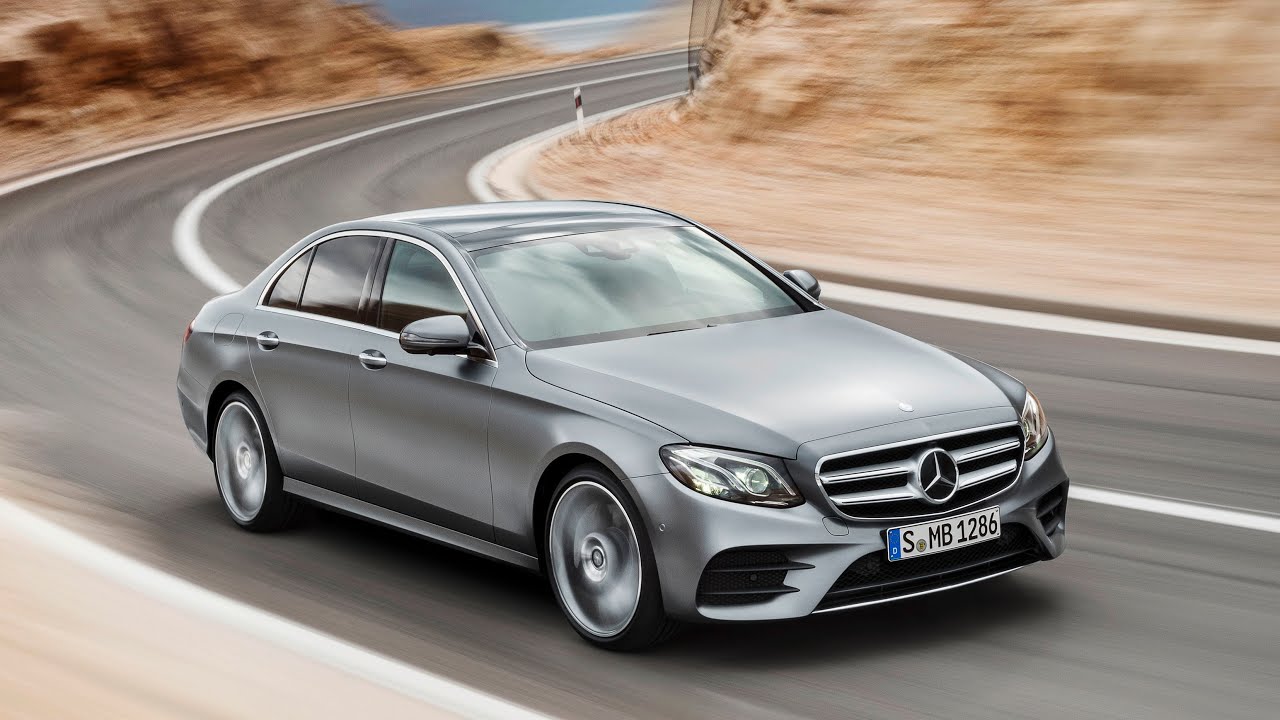
  1. Best car for families - Mercedes-Benz E-Class
  2. Best car for city drivers - Mini Hatch
  3. Best value new car - Skoda Yeti
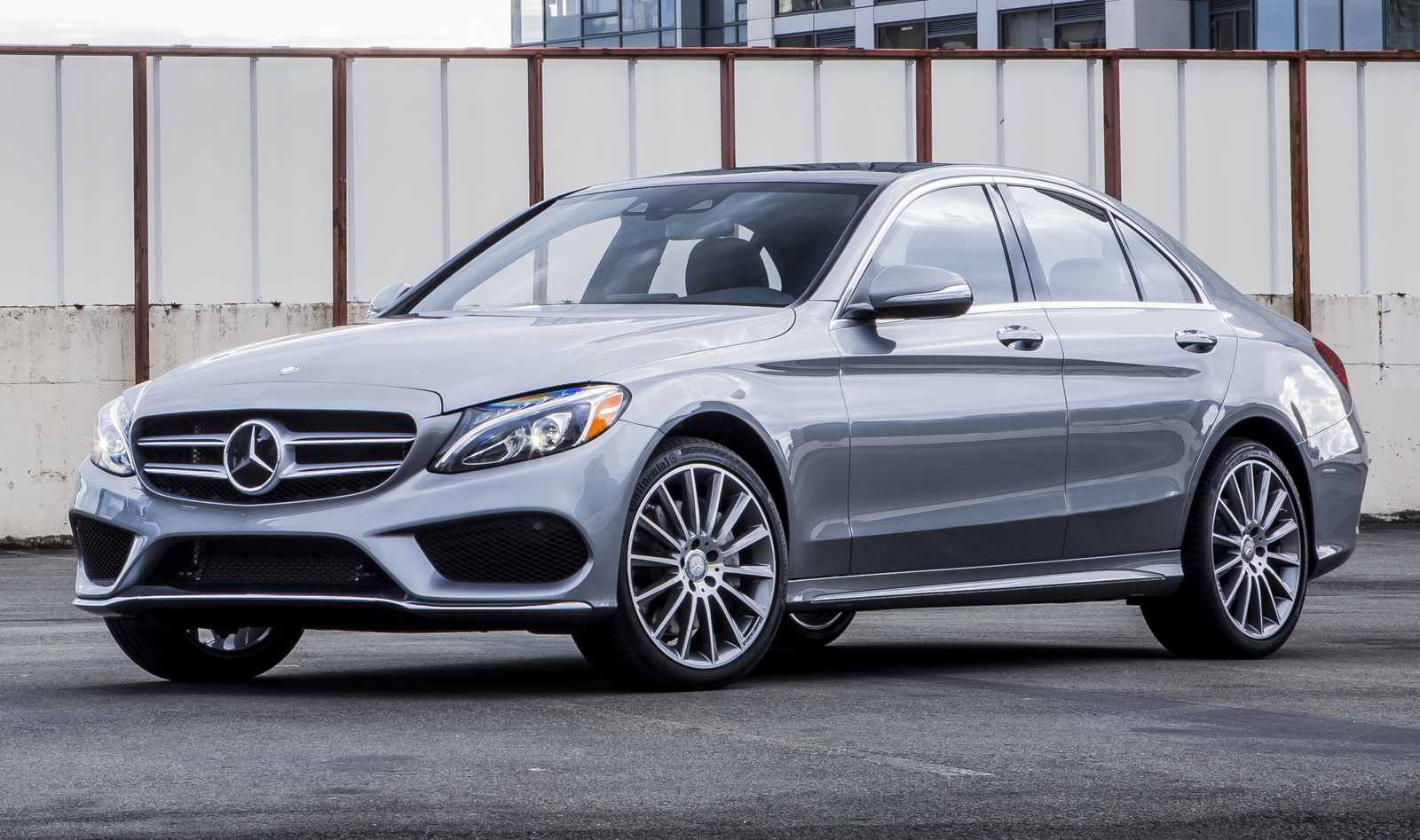
  4. Best car for long distances - Mercedes-Benz C-Class
  5. Most fun car to drive - Audi TT
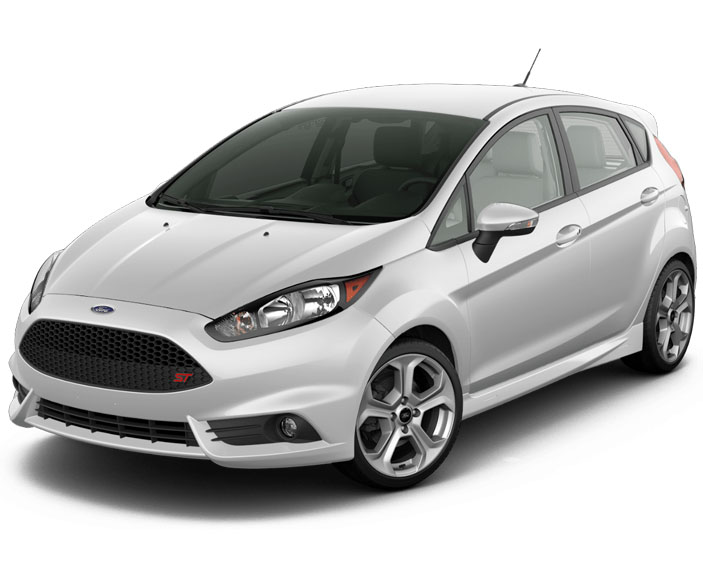
  6. Best car for new drivers - Ford Fiesta
  7. Car brand with best features - Volvo
  8. Green Car of the Year - Volvo XC90 Hybrid
  9. Best car launched in the last year - Skoda Kodiaq
  10. New Car of the Year - Jaguar XF
Pringle, adds: “our New Car of the Year award winner, the Jaguar XF, deserves special recognition, as it came out on top scoring highly in categories such as comfort, safety, power, and good features and accessories.”
Jeremy Hicks, Jaguar Land Rover UK MD, said: "We're extremely proud of any award for our products, but this latest Auto Trader Car of the Year title for the Jaguar XF is a real highlight. Voted for by 10,000 members of the UK car-buying public, it's a clear indication that we're producing cars that speak to everything modern drivers are looking for. That was always our target with the XF – we wanted it to be capable of everything without compromise; stylish, dynamic, luxurious, comfortable and affordable to run. I'm extremely pleased to see that car-buyers agree we've succeeded."
The Auto Trader New Car Awards follows the addition of over 6,000 brand new ‘virtual’ cars now available on Auto Trader. As well as the new car reviews and rich media content the marketplace, consumers can now choose a brand new car and order it from a local franchise dealer.

Thursday, 5 January 2017

The 10 most searched cars on auto Trader for 2016 include 7 German brands, two Fords and a Vauxhall.

Auto Trader has announced the most searched for cars of the year, revealing the 10 make and models most popular amongst the circa 60 million monthly visitors to the marketplace in 2016, which currently has almost half a million cars listed for sale on the site.  
The BMW 3 series was the most searched for car on Auto Trader in 2016, a title the vehicle has held on the UK’s largest automotive marketplace for a sixth consecutive year. 

Beating two of its BMW stablemates in both the 1 Series and 5 Series, the 3 Series topped a list that was dominated by premium vehicles in 2016, which made up 75% of the Top 10 list.
Jon Quirk, Auto Trader’s Editor-in-Chief, said, “The BMW 3 series continues its dominance as the most searched for car on Auto Trader, while the overall popularity for premium vehicles continues. This is due, in part, to an expansive new car portfolio and the availability of low rate finance. Small family cars have been big news in 2016 too, as they can provide superb levels of in-car technology, safety and refinement in more compact, more efficient and cost effective packages.”
The rise in UK car buyers on the lookout for more premium models led to a significant rise in searches for the 3 Series rival, the Mercedes-Benz C Class, which rose two places in the Top 10 search list in 2016 to take the Bronze spot from the Ford Focus.
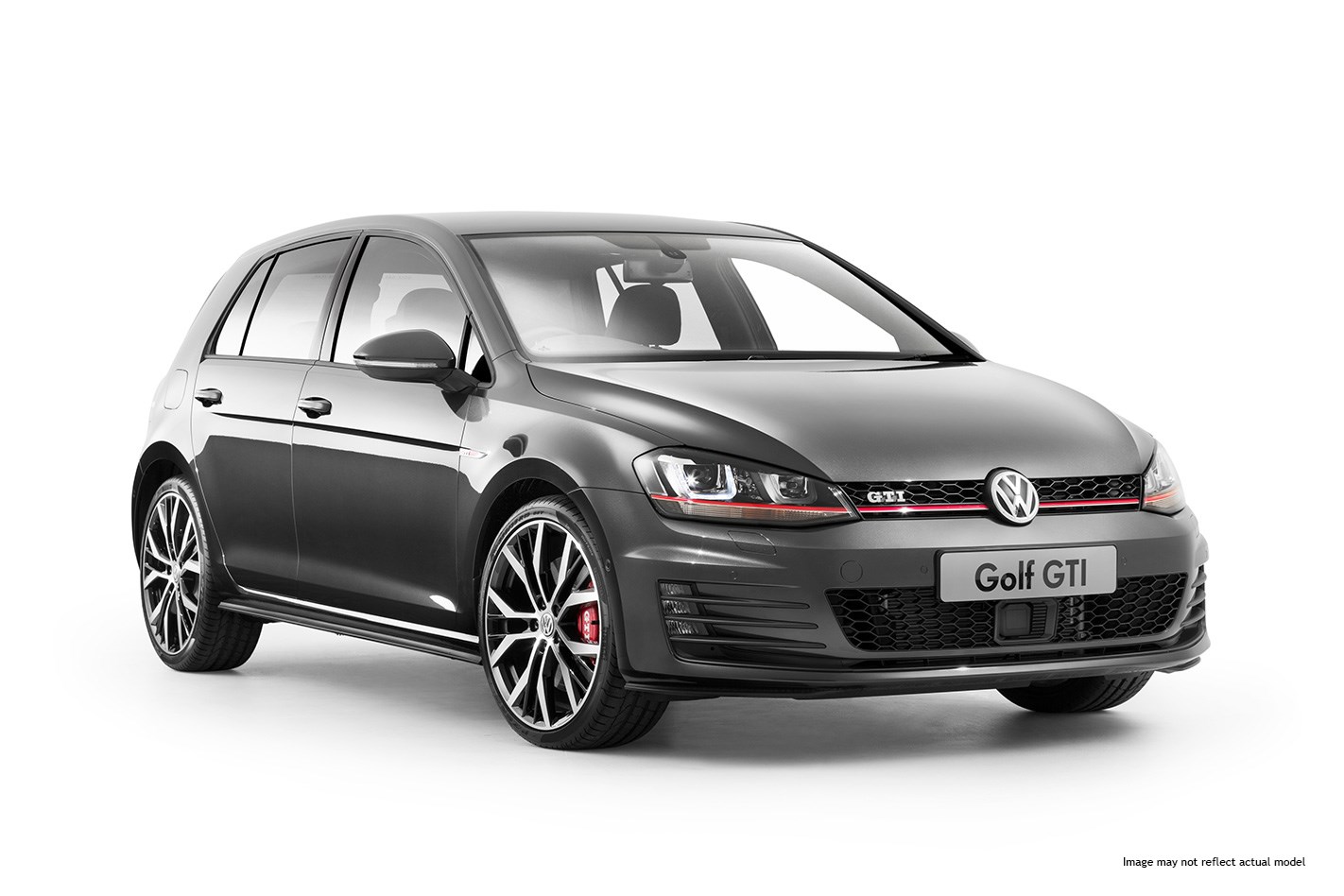
The Volkswagen Golf also continues to be a highly desirable for UK car buyers in 2016, as it becomes the second most searched for car on Auto Trader for the eighth year running.
Making a prediction for 2017, Quirk said, “2017 is going to be the year of the small car. The small car league table will see a host of new competition - the Ford Fiesta, Volkswagen Polo, Citroen C3 and Seat Ibiza will all have brand new models in 2017, not to mention the totally reinvented Nissan Micra.”
Looking at how some of next year’s new car launches might impact search behaviour, Quirk added, “We're also expecting to see an increase in the number of searches for electric vehicles, with refreshed models like the Renault Zoe promising better range and the release of the Tesla Model 3 – the Ford Focus-sized electric car with a 200+ mile range costing £30k – which should bring mass appeal for UK car buyers.”
Top 10 most searched for cars on Auto Trader in 2016
RankMakeModel
1BMW3 SERIES
2VOLKSWAGENGOLF
3MERCEDES-BENZC CLASS
4FORDFOCUS
5BMW5 SERIES
6BMW1 SERIES
7FORDFIESTA
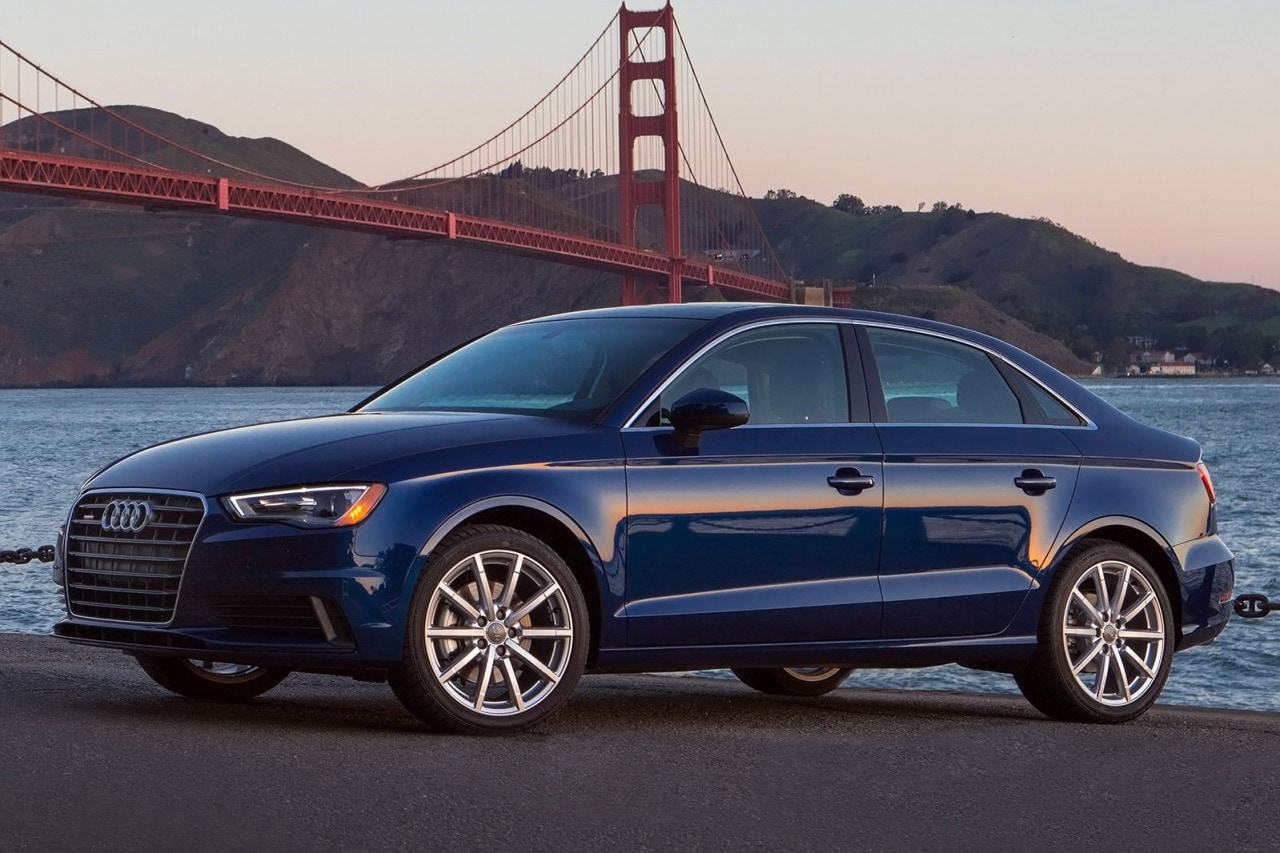
8AUDIA3
9MERCEDES-BENZE CLASS
10VAUXHALLASTRA

Sunday, 20 November 2016

October European sales dip slightly but not enough to being the YTD figure down, which is 6.6% higher than 2015.

  • Despite a small fall of 0.5%, Europe’s Big 5 markets experienced the best year-to-date registrations since 2009
  • SUVs and Vans are the only segments to grow in October, with MPVs, city-cars and midsize sedans experiencing the biggest losses in market share
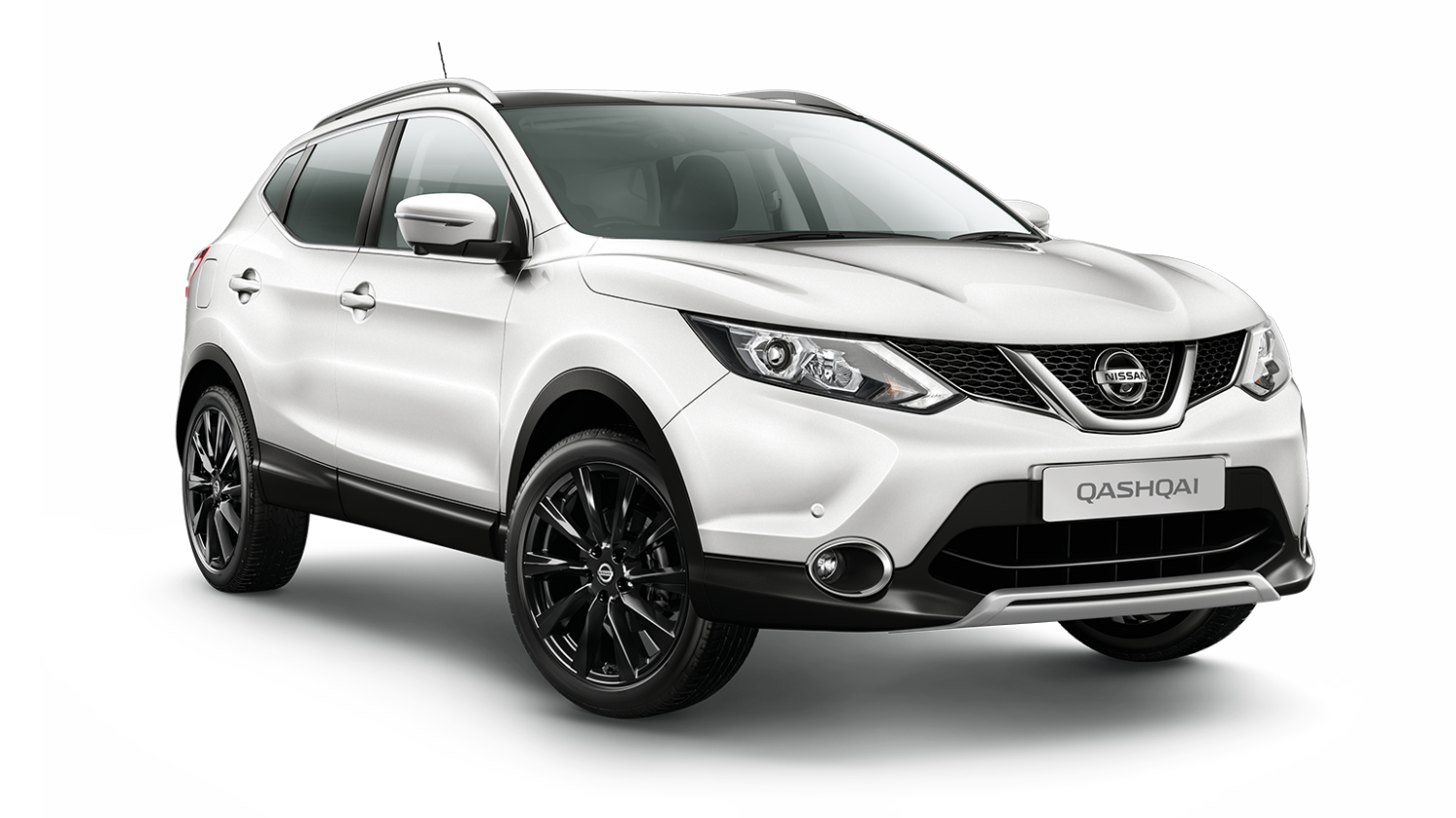
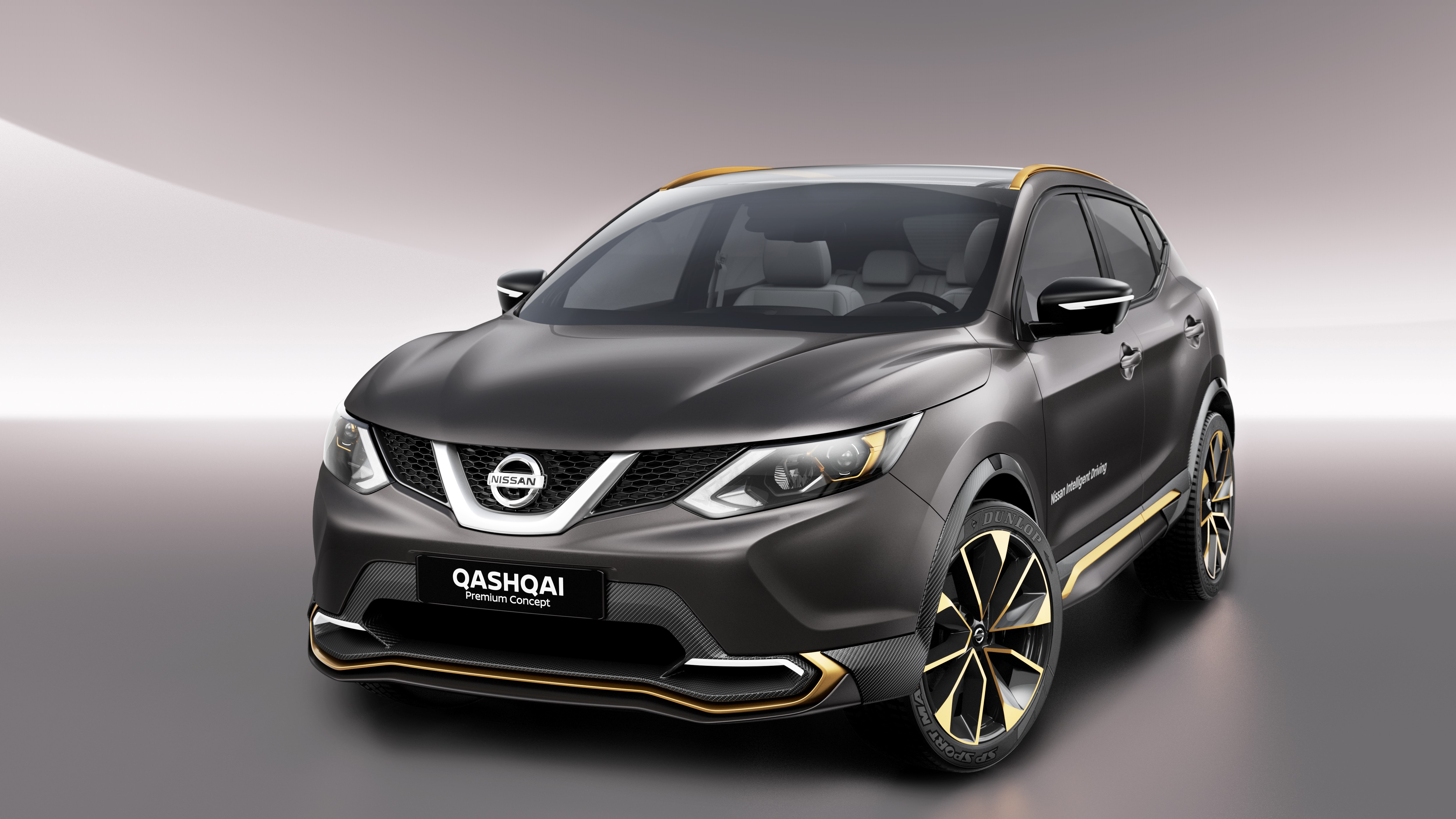
  • Volkswagen Tiguan overtakes the Nissan Qashqai as Europe’s best-selling SUV
Car registrations in Europe’s ‘Big 5’ markets saw a small decrease of 0.5% in October 2016, with total registrations for the month at 829,980 – slightly down from the 834,464 registrations seen in October 2015. However, year-to-date registrations totalled 9,339,623 at the end of October – a 6.6% increase when compared to the same period in 2015.
The biggest falls were seen in Germany and France, whose registrations decreased by 5.6% and 4.4% respectively. Despite this, the car market in both France and Germany has grown considerably in 2016, with YtD registrations up by 4.6% and 4.9% respectively.
Elsewhere, Italy, Spain and the UK all posted modest growth. Italy grew by 9.7%, with rental registrations increasing by 44.6%, compared to the same time last year. Private registrations were the only negative performers in Italy during October, posting a decrease of 4%. The UK managed a small growth of 1.4% thanks to low interest rates, affordable finance packages and a wider variety of new models. Spain’s growth of 3.3% was modest compared to previous months, due to one less working day in the month, and the end of the PIVE plan (Efficient Vehicles Incentives Plan in Spanish) which affected private registrations.
“The small decline last month shows that the European car market is reaching its peak in terms of volume.


It is noteworthy that despite the declines seen in the German and French markets last month, the European car market is still growing overall for the year to date. However, we expect to see only moderate growth in Europe’s Big 5 markets over the coming months as the market stabilises following a strong year so far,” said Felipe Munoz, Global Automotive Analyst at JATO Dynamics.
Volkswagen Group maintained its position as Europe’s largest car maker in October 2016, despite experiencing a drop in market share of 0.7 percentage points. While their compact cars posted a 12.3% decline, their SUV registrations increased by 26.6%. Keeping their second place position, the Renault- Nissan alliance also lost ground - with its market share decreasing by 0.4 percentage points. Their SUV registrations failed to maintain the growth seen in previous months (-0.4%), and their MPV range dropped by 34.2%.
The biggest drop among the top 10 best-selling groups was posted by PSA, whose sales dropped by 6%. This decline was driven by the performance of Citroen and DS Auto, who declined by 10% and 27.2% respectively. FCA gained 0.6 percentage points of market share and overtook Ford to become the 4th best-selling car group in Europe. BMW Group and Daimler posted growth of 2.1% and 4.5% respectively, their growth was tempered by a poor performance in Germany.
Compared to October 2015, SUVs and Vans were the only segments to grow their sales across the five markets - posting increases of 11.5% and 4.5% respectively. Conversely, the biggest market share losses were experienced by MPVs, city- cars and midsize sedans.
October registrations for the Volkswagen Golf dropped dramatically when compared to the same month last year, registering 25,125 units – a 21.7% decline. Despite this, it maintained its first-place position as Europe’s best-sellingmodel. Meanwhile, the Golf’s rivals - Opel/Vauxhall Astra and Renault Megane - increased their sales by 50% and 35.8% respectively.
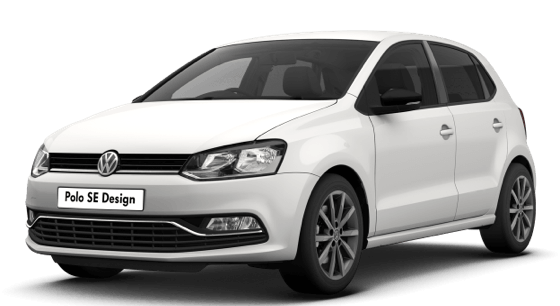
The Ford Fiesta led the subcompact segment, gaining market share as its registrations grew by 8.9%, while its rivals posted falls – Volkswagen Polo (-11.4%), Peugeot 208 (-2.3%) and Opel/Vauxhall Corsa (-9.6%). The Fiat Panda was the best- selling city-car of the month, while the Volkswagen Tiguan outsold the Nissan Qashqai and became the best-selling SUV. The biggest market share winner was the Fiat Tipo. It was followed by the Opel/Vauxhall Astra, Seat Ateca, Volkswagen Tiguan and BMW X1. By contrast, the biggest market share losers were the Volkswagen Golf, Volkswagen Passat, Renault Scenic, Volkskwagen Golf Sportsvan and Ford Ka.
“The Volkswagen Tiguan has helped the brand offset the drops posted by their traditional vehicles, with the model becoming the best-selling SUV across Europe’s Big 5 markets,” concluded Munoz.

Wednesday, 26 October 2016

September pushes the sales for Europe to over 11.5 million units, a rise of 7.7% on the same time a year earlier.

  • Growth was due to positive results across all but three markets
  • Year-to-date registrations increased to 11.6 million units, a rise of 7.7% on the same period last year
  • SUV registrations surpassed 400,000 units for the first time in the history of European car sales
New car registrations in the 29 European markets analysed by JATO Dynamics increased by 7.1% in September compared to the same month last year, with 1,495,815 units registered. This is the strongest September monthly sales result for ten years. 
For the year to date, registrations were 11.6 million units, an increase of 7.7% when compared to 2015, the best result since 2008.
The strong result in September was driven by good performances in the majority of markets, but particularly Italy, Poland, Belgium, Austria and Spain which recorded increases of 17.4%, 19.8%, 13.7%, 14.9% and 13.4% respectively. 
There was double-digit growth in sixteen of the 29 markets analysed and negative change in only three – Ireland, the Netherlands and Greece which recorded decreases of 1.5%, 4.8% and 9.9% respectively.

In the segment ranking, SUV registrations exceeded 400,000 units for the first time in the history of European car sales. As a result, the market share for the SUV segment jumped from 23.3% to 26.9%. The SUV segment’s growth in market share had a knock on effect on the Subcompact (B-Segment), City-car (A-Segment) and MPV segments which all showed negative market share growth. The Renault-Nissan Alliance maintained its lead in the SUV segment with a significant 21.7% share and continued to perform well, with volume up by 14%. Jaguar Land Rover continued to grow by outselling the mainstream players like PSA, Ford, FCA and General Motors.
Felipe Munoz, Global Automotive Analyst at JATO Dynamics commented: “Following a return to growth in August, September’s results show that the automotive industry is continuing to benefit from a more stable economy and new product launches. The industry does face challenges, notably regarding investment considerations as a result of Brexit, but at present it remains buoyant.”

Following on from its market share loss in August, Volkswagen Group continued on a downward trajectory in September, but its losses have stabilized. It declined from 23.2% in September 2015 to 22.9% for the same month in 2016. Within the Volkswagen Group, the Volkswagen and Seat brands posted moderate growth of 3.5% and 0.6% respectively, but this was enhanced by better results from Porsche, Audi and Skoda growing by 9.6%, 8.7% and 9.9% respectively. SUVs continued to boost Volkswagen Group’s performance, with the manufacturer’s SUV models growing by 26.5% and accounting for 16.7% of its total sales. In comparison, its compact cars continued to perform less well, with registrations falling by 4.3%.
The Renault-Nissan Alliance increased its market share, going from 12.4% in September 2015 to 12.9% for the same period this year whilst maintaining its second position in the ranking. Of the top ten manufacturers, it was the Renault-Nissan Alliance which was most heavily reliant on the SUV segment, with it accounting for 45.4% of the Group’s registrations. In contrast, PSA continued to face challenges, with its volume falling by 5.9% and all of its three brands posting declines. The Group’s losses should be reversed with the imminent launches of new generation key models, such as the Citroen C3 and Peugeot 3008 which have yet to make their mark on the market.
The biggest surprise of the month came from premium manufacturers, BMW and Daimler. BMW outsold Ford due to a 13% increase in overall volumes compared to the same period last year, and double digit growth from all of its brands. Daimler similarly posted dramatic growth with its registrations up by 17.8% and it registered the highest market share increase of all manufacturers, with an increase of 0.61 percentage points. The Mercedes brand performed exceptionally well, it recorded a 17.8% increase on the same period last year and registered 91,572 vehicles in September which made it the best-selling premium brand in Europe for the month.
At a model level, the Volkswagen Golf continued to lead the market, registering 46,392 units in September which was enough to make it the best-selling model in the month. However, this was a 15.2% decline on the same period last year which is the biggest market share drop of the 473 models analysed by JATO Dynamics.
The model faced challenging conditions in significant markets such as France, the UK and Germany where it posted double digit drops. Despite such dramatic losses, the Golf was 21,000 units ahead of its rival the Opel/Vauxhall Astra which posted a 31.1% increase and registered 25,301 vehicles. Amongst the Golf’s other competitors, the Renault Megane performed well, posting a 65% increase on the same month last year, whilst the Fiat Tipo registered 6,500 units, a strong performance for the model.  
The Ford Fiesta was just 11,000 units behind the Golf, registering 35,235 units, but this was a fall of 7.4% compared to the same period last year. In contrast, the Fiesta’s closest rival, the VW Polo posted a 10.8% increase and registered 31,753 units which meant that it outsold the Opel/Vauxhall Corsa. The Nissan Qashqai maintained its position as the best selling SUV, despite increased competition in the segment. However, its volume grew by a moderate 2.9% and in contrast, the Volkswagen Tiguan continued to perform well with it recording a 47.1% increase in comparison to last year, meaning it was only 3,400 units behind the Qashqai.
Felipe Munoz, Global Automotive Analyst at JATO Dynamics concluded: “With SUVs continuing to dominate the market, this is having an impact on the performance of all manufacturers. Competition in this segment is increasing further, with no sign of this changing in 2017 as further SUV launches are set to hit the market.”

Monday, 17 October 2016

Over all Europe gains 6.2% year to date with the UK taking the lead in September due to the plate change and exceptional offers.

  • The Ford Fiesta was only 5,000 units behind the Volkswagen Golf
  • Æ’Italy’s market grew by a significant 17.4% as a result of the country’s super amortisation policy
  • Æ’Year-to-date registrations were up 7.4%, with 8.51 million units registered overall so far this year
Registrations in Europe’s ‘Big 5’ markets performed well in September, with 1,171,795 units registered, which is a 6.2% rise on the same month last year. For the year to date, registrations totalled 8.51 million units, an increase of 7.4%, SAAR figures came in at 11.61 million units, the highest figure recorded so far in 2016.
The European automotive industry was in a positive mood after the five biggest economies, all recorded positive growth in September. Italy and Spain continued to lead the way, registering increases of 17.4% and 13.4%, respectively, when compared with the same period last year. 

Italy’s dramatic increase was the country’s best performance since September 2010, this can largely be attributed to tax incentives which have been enacted to encourage companies to increase investment in automotive fleets through the policy of super amortisation. Similarly, it was the fleet and rent-a-car markets which boosted Spanish figures and enabled Spain to register more than 80,000 units for the first time since September 2007. 
In contrast, France’s modest 2% increase on last year was due to increased sales of demo models which were up by a significant 20.5%, with private registrations falling by 4.6%. The UK and Germany complete the top five, posting increases of 1.6% and 9.4%, respectively, on the same period last year.


Volkswagen Group led the market, maintaining its position as Europe’s largest car manufacturer by registering 256,000 units in September, a 3.3% increase on the same period last year. However, the car maker lost 0.61 points of market share, going from 22.5% in September 2015 to 21.9% in September 2016. The car maker’s volume was boosted by the performance of the Skoda and Audi brands which posted increases of 8.4% and 7.9% respectively when compared to the same period last year. The Volkswagen brand’s performance stalled, registering 122,900 units which is a small 0.4% increase on the same month last year. Compact (C-Segment) cars accounted for 29% of the group’s total registrations, but volume for this segment fell by 5.3%. Their SUVs accounted for 17.5% of the group’s total, but its volume increased by a significant 20.9%.
Despite Volkswagen Group’s fall in market share, it was PSA that experienced the highest market share decline in September, falling from 10.1% to 9.0%. This was driven by double digit declines in registrations in the city car and mid-size car segments and a modest 2.6% rise in the SUV segment. Daimler achieved the biggest market share gain at 0.73 points, going from 6.4% in September 2015 to 7.2% in the same month this year. This significant growth was largely due to the strong performance of its core segments – Compact, Midsize, and SUVs. Jaguar Land Rover also performed well, its registrations were boosted by the growth the SUV segment, with 82% of its registrations being from this segment, a dramatic growth of 79%. The manufacturer’s performance was also boosted by the strong results of Land Rover and Jaguar which posted increases of 52.4% and 39.3%, respectively.
The performance of BMW Group is notable due to the 19.4% increase in registrations posted by Mini and the 52% increase in SUV registrations from the BMW brand. FCA registered 80,100 new vehicles, which is a 14.8% increase in registrations, as a result of the double-digit growth of all of its brands.
Felipe Munoz, JATO’s global industry analyst, commented: “The automotive industry is continuing to perform well despite the challenges in the UK market and the significant fall in private registrations in the French market. Even with these challenges, the European registrations are on course for growth as we head towards the end of 2016.”
The continued success of SUVs boosted the automotive market in September, with the segment representing 27.1% of market share. This can largely be attributed to strong demand for Compact SUVs (C-SUVs) and Midsize SUVs which grew by 34.4% and 49.5% respectively. The dramatic growth in the market share of the SUV segment was at the expense of the more traditional vehicles, with the City Car and MPV segments both suffering declines of 5.8% and 3.6% respectively. Similarly, other traditional segments posted only modest growth with the Compact segment (C-segment) posting a 2.4% increase on the same period last year and the Subcompact segment (B-segment) growing by only 0.1% compared to last year.
Although the Volkswagen Golf again topped the model table, it faced stiff competition, with the Ford Fiesta only 5,559 units behind. The distance between the Golf and the rest of the model ranking has not been this close since March 2015. Despite topping the ranking, the Golf posted a 15% decline on September 2015, whilst the Ford Fiesta recorded a less dramatic 8% decline which allowed it to close the gap. The Nissan Qashqai recovered following a decline in August to become the best selling SUV, outselling both the Renault Captur and the Volkswagen Tiguan in all of the five markets analysed.
The big winners of the month in terms of market share were the Hyundai Tucson, which was also the seventh best selling SUV, the BMW X1, the Fiat Tipo, the Renault Kadjar and the Volkswagen Touran. Other notable changes in September include the Fiat 500 which entered the top ten model ranking, and the Opel/Vauxhall Astra which posted the highest percentage increase of the top ten ranking. Of the newest launches, the best performers were the Jaguar F-Pace, Mini Clubman and Seat Ateca.
“The close race at the top of the model ranking is hugely significant as it shows that the Volkswagen Golf is being challenged despite it hanging on to the top spot. Despite its historic dominance, the market leader will face significant challenges towards the end of the year as its rivals close in.”