New Q5 sets standards in connectivity, ride comfort, handling dynamics, efficiency and driver assistance
- All-new version of the best-selling Audi SUV worldwide
- Up to 90kg lighter than its predecessor
- Luggage capacity increase of 10 litres
- Increased interior space, headroom and rear kneeroom
- One TFSI and two TDI engines, with up to 27PS more power
- Newly developed five-link suspension and optional adaptive air suspension
- Audi drive select fitted as standard, featuring lift/offroad and allroad modes
- quattro with ultra technology fitted as standard to four-cylinder engine
- UK ordering expected to open towards the end of this year with first deliveries anticipated in spring 2017
Having already set the tone as a paragon of Vorsprung durch Technik and a long-standing best seller, the Audi Q5 is to be replaced by an all-new successor that is set to make its world debut at the Paris Motor Show.
Its ground-up rework brings with it an intense focus on connectivity, driver assistance, aeroacoustics and driving dynamics. True to form, it sets new standards in its segment and steps up the game yet again.
“The first Audi Q5 was for many years the world's best-selling SUV in its class. It was no easy task to design its successor, but that is precisely why it is so very exciting,” says Rupert Stadler, Chairman of the Board of Management at AUDI AG.
“With the new Q5 we are setting the bar a notch higher. Among the great innovations are the quattro drive system with ultra technology, highly efficient engines, the air suspension with damper control and a comprehensive line-up of infotainment and assistance systems.”


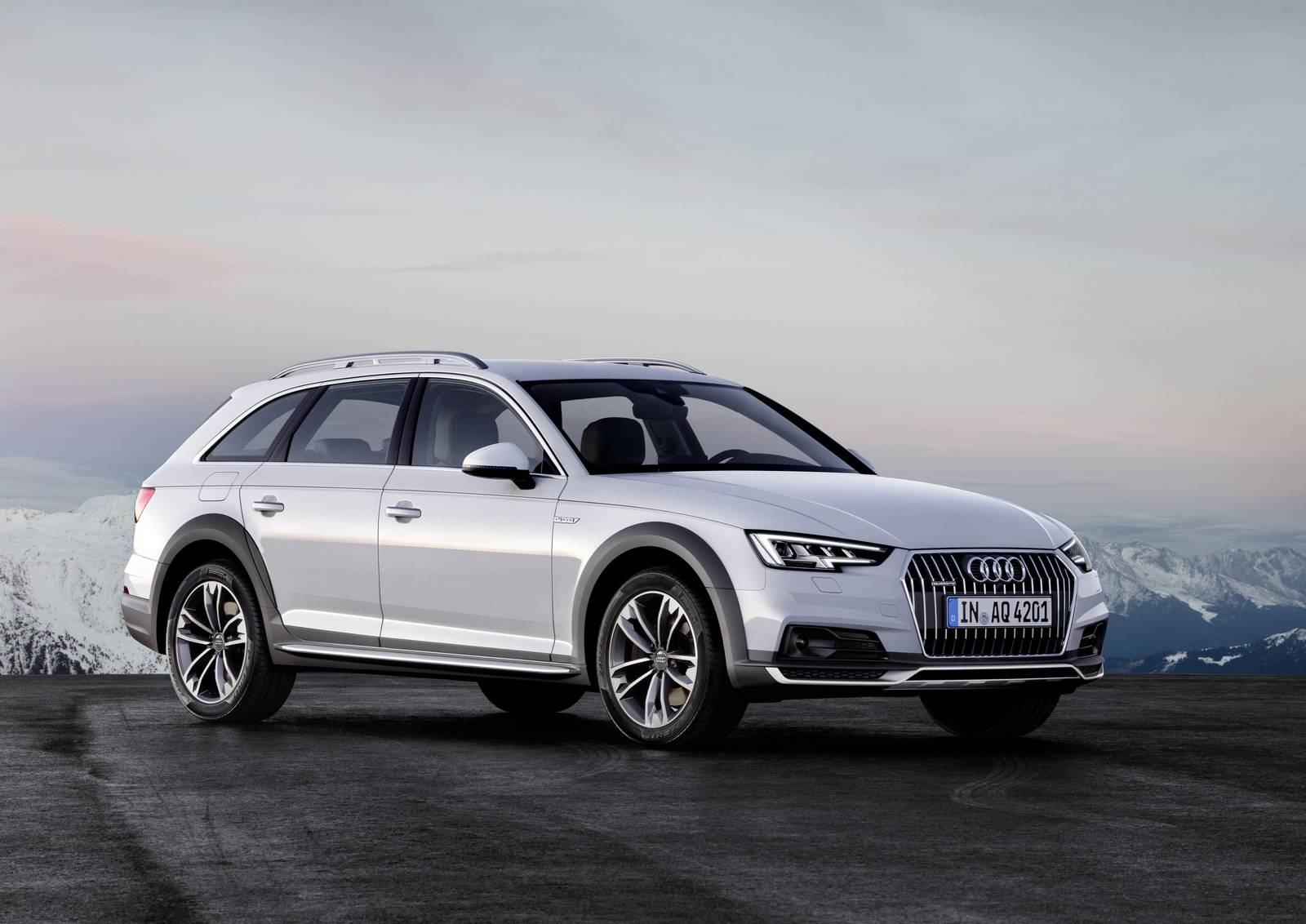
The new SUV from Audi takes a defined and taut stance. A sculpturally flared Singleframe grille with a solid frame dominates its aerodynamically flat front end. It is available with Xenon headlights as standard and either LED or high-resolution Matrix LED with dynamic indicators as options.
Typically Audi: quattro design language
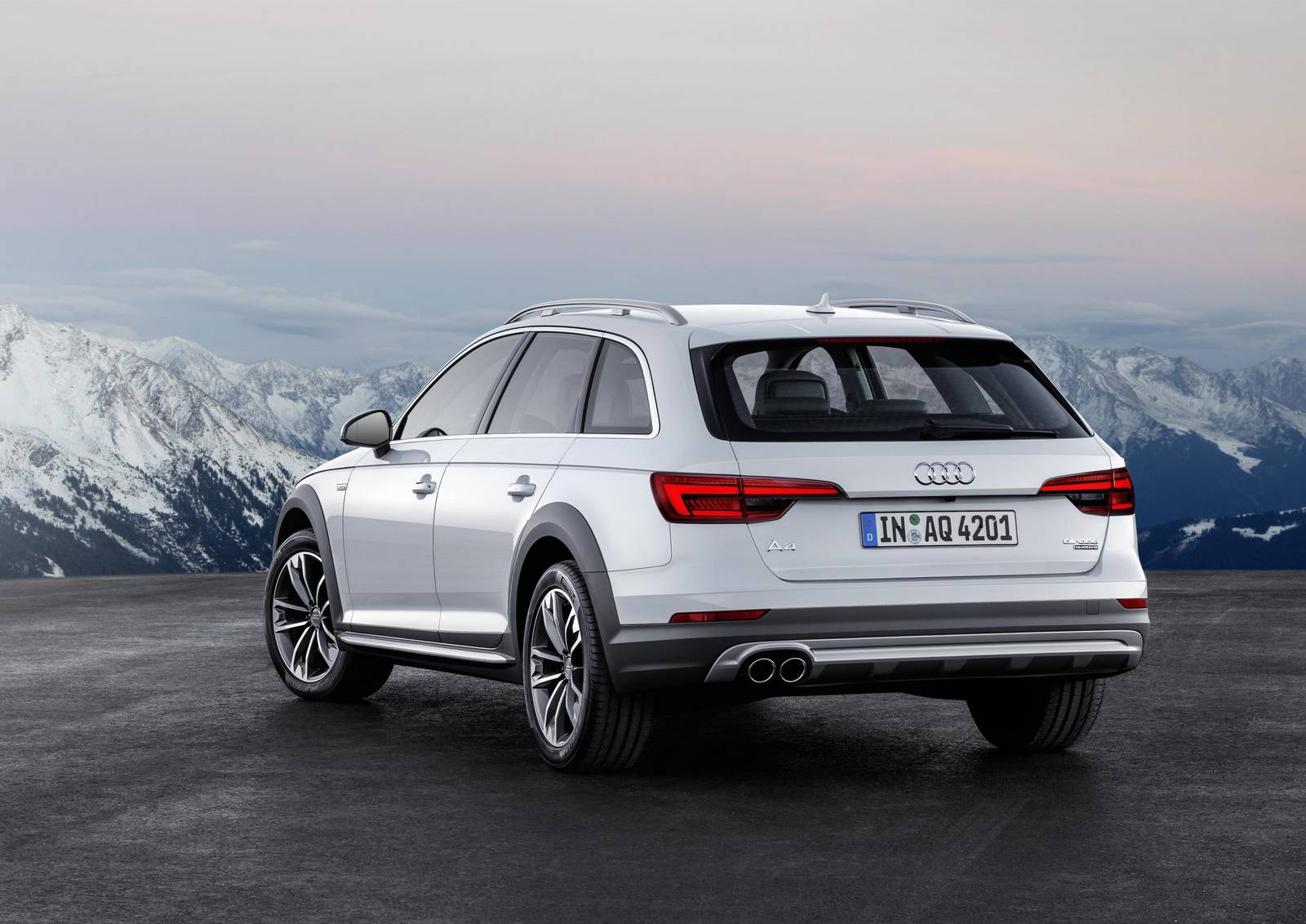
A distinctively curved and strongly undercut shoulder line gives structure to the side view. The strongly emphasised wheel arches are a reference to the quattro permanent all-wheel drive system, and the low greenhouse tapers back down early. Just as at the front, horizontal lines at the rear convey an image of width and presence. The tail lights are also available with optional dynamic indicators. The tailgate wraps around the C-pillars – a typical feature of the Q models from Audi. A diffuser insert integrates the exhaust tailpipes.
Weight saved: up to 90 kg lighter than the previous model
4.66 metres long, 1.89 metres wide and 1.66 metres tall with a 2.82-metre wheelbase – compared to the previous model, the new Q5 has grown in nearly all of its dimensions. Consequently, the unladen weight was reduced – depending on the engine – by up to 90 kg. Steels with maximum tensile strength and aluminium form an intelligent material mix in the body.
The new Q5 also stands at the top of its class in its aerodynamics. The four-cylinder versions attain a cd figure of 0.30 with the aerodynamically optimised roof. Wind noises are exceptionally low, and vibration comfort is high – the new SUV from Audi indulges the driver and passengers with the best interior acoustics in its class.
Spacious and wide: the interior
The interior offers a lot of space for five persons, and it surpasses the previous model and its competitors in key dimensions. Its horizontally oriented lines underscore the impression of width and comfort, and a three-dimensional trim strip runs across the entire width of the instrument panel. The new equipment lines concept offers customers a broad selection of colours and materials.
A three-spoke multifunction steering wheel is standard. When it is dark, the optional ambient lighting creates an attractive atmosphere in 30 different colours. The workmanship quality in the new Q5 is uncompromising.
The rear seat back of the new Audi Q5 is split into three segments. Longitudinal and seat back angle adjustment are optional. Depending on the rear seat position, the basic volume of the luggage compartment ranges from 550 to 610 litres, 10 litres more than in the previous model. When the rear bench is folded down, this volume grows to 1,550 litres. Cargo loading is simplified by apower-operated tailgate fitted as standard, an optional variably folding mat, optional hands-free control of the power tailgate and manual lowering of the body via the optional air suspension.
Simply coherent: controls and displays
Operation of the new Audi SUV is intuitive and is marked by three great new features. The optional Audi virtual cockpit presents brilliant graphics on its high-resolution 12.3-inch screen. The driver can choose from two views – a classic view with large round instruments and a mode in which the navigation map or lists dominate.
The MMI terminal in the centre console acts as the main control element. In the top infotainment system, the optional MMI navigation plus with MMI touch and an 8.3-inch display, a touchpad is integrated into the rotary pushbutton. It recognises handwritten entries as well as gestures familiar from consumer electronics such as zooming gestures. If the new Q5 has an automatic transmission, it also has the larger MMI all-in-touch including haptic feedback.
The MMI operating logic is based on the flat hierarchies used in today’s smartphones, and it offers such features as intelligent free-text search. The new natural-language voice control function also recognizes inputs from everyday speech.
Serving as an additional third operating level in the new Audi Q5 is the multifunction steering wheel plus. Audi can deliver a newly developed head-up display as an option. It projects relevant information onto the windshield – including from driver assistance systems – as symbols and numbers that can be perceived quickly.
Audi navigation: “Personal route assist”
The new Audi Q5, like the Q7 and the A4, has a self-learning “personal route assist” function. After activating this function, the navigation system learns the routes and destinations that the customer regularly selects, and it associates this information to the parked position and time of day.
For as long as it is active, the system therefore learns from the customer’s behaviour and uses this information to suggest optimised route planning for the next trip – even while navigation is inactive. The navigation system incorporates the three most likely destinations into the calculation, taking into consideration both the arrival time and current traffic levels. For instance, the system can suggest that the customer activate navigation to find out about potential alternative routes. The driver decides whether or not to activate the function. He also has the option of deleting saved destinations. If the function is deactivated, the system does not store the destinations and does not consider deleted destinations or the routes driven.
Online via LTE: MMI navigation plus
MMI navigation plus utilises the Audi connect module to integrate a LTE module and a Wi-Fi hotspot – this lets passengers go online with up to eight mobile devices. Audi connect enables convenient roaming in Europe for many Audi connect services with its permanently installed SIM card – the Audi connect SIM with a flat data rate.
The free Audi MMI connect app produces a close interconnection between the car and smartphone or a smartwatch and offers other services. They include remote checking of important vehicle states, online media streaming and transmission of a calendar from a smartphone to the MMI.
High-end option: the infotainment modules
The Audi phone box connects smartphones to the vehicle’s antenna for optimal reception quality; it also charges smartphones inductively according to the Qi standard. The Bang & Olufsen Sound System with innovative 3D sound introduces the spatial dimension of height. The Audi tablet, which is also new, serves as a flexible Rear Seat Entertainment device. The Audi smartphone interface also brings Apple CarPlay and Android Auto into the new Q5.
Driver assistance and safety systems
In its driver assistance systems, the new Audi Q5 also tops its segment with a broad range of high-tech options. In their intelligent interplay, the systems represent a next step towards piloted driving. They are bundled into three driver assistance packages – Tour, Parking and Parking Advanced.
The predictive efficiency assistant helps the driver save fuel by specific information on the car’s surroundings. Adaptive cruise control (ACC) including traffic jam assist can handle some of the steering work in slow-moving traffic.
Audi active lane assist makes it easier to stay in lane. Distance warning alerts the driver when the distance to a vehicle drops below a safe distance.
Cross traffic assist rear, the exit warning system, collision avoidance assist and turn assist are other new features that perform excellently in pursuit of safety. The same applies to the pre sense systems – Audi pre sense city is a standard feature which warns of pedestrians and vehicles and may initiate automatic emergency braking within system limits. Park assist, the camera-based recognition of traffic signs and hill descent assist round out the features.
Powerful and efficient: TDI and TFSI engines
The new Audi Q5 is launching in the UK with a powerful 2.0 TDI engine producing 190PS. Fuel consumption for this model has been significantly reduced. Soon after the launch a 2.0 TFSI engine will also be available. The further developed 2.0 TFSI has an output of 252PS, yet it returns up to 41.5mpg combined, which equates to 154 grams CO2 per km. The also intensively revised 3.0 TDI, coming at a later date, increases output to 286PS with 620Nm (457.3 lb ft) of torque.
Versatile and efficient: drivetrain
The drivetrain of the mid-size SUV has been redeveloped from the ground up – this also applies to the six-speed manual transmission and seven-speed S tronic. The automatic transmissions integrate a fuel-saving freewheel function. The driver controls it by a selection lever or by shift paddles on the steering wheel; in both cases, the control signals are transmitted electronically.
The new quattro drivetrain with ultra technology is standard equipment for the 2.0 TDI with190PS, and for the 2.0 TFSI with 252PS. The quattro with ultra technology always disengages the rear-axle drive whenever it is not needed, and if necessary it can proactively re-engage it. The new concept boosts efficiency without reducing traction or driving dynamics.
For the V6 diesel, Audi can deliver an optional sport differential at the rear axle which distributes torque between the wheels as necessary and thereby provides a maximum of driving dynamics – this is another new feature in this model series and in the competitive field.
Torque vectoring gives handling a refined touch. The intelligent software solution always delivers a dynamic, precise and controllable driving experience.
Resolving contradictions: the chassis
The new Audi Q5 enables handling that combines very different strengths – it is sporty while being extremely comfortable. Creating the basis for this are the newly developed five-link suspensions and also the new electromechanical power steering system. Dynamic steering is available as an option; it varies its gear ratio according to the driving speed and steering angle.
Customers can choose from two extension stages of springs and damping. The chassis with damper control offers a very wide spread between comfort and dynamics, which the driver can select via Audi drive select. In addition to adjusting damper control, the new adaptive air suspension can be used to vary the ride height of the car body over five stages.
In the standard system, Audi drive select, which accesses various technical modules, the driver can select one of as many as seven driving modes. The two new modes, lift/offroad and allroad, emphasise the offroad character of the Audi Q5 optimally.
The new Audi SUV comes from the factory with 18-inch alloy wheels. The Sport equipment line comes with 18-inch wheels, and the S line package with 19-inch wheels. Wheels up to 21 inches in diameter are available as options.
The new Audi Q5 is manufactured at a newly constructed plant in Mexico. It will arrive at Audi Centres in the UK in the spring of 2017.