Purpose

I will try my best to provide detailed info on various cars and what is like to live with them, I have already produced a few for Jaguar-car-forums, I will do my best to be unbiased, but it will be hard for some cars. I will re-produce press releases and copy from other motoring news.
Showing posts with label top ten. Show all posts

Wednesday, 3 May 2017

Auto Express magazine names the top 100 cars in Britain, with the top ten produced here.

  • Top industry bosses and Auto Express team pick top Brit-built motors
  • Original Mini tops poll ahead of Jaguar E-Type and Land Rover Defender 
Britain’s most influential car bosses have teamed up with Auto Express - the UK’s biggest selling weekly car magazine - to name the Best of British. 
Following a rigorous voting process, the original Mini was named as the best British-built car of all time, seeing off competition from the Jaguar E-Type and Land Rover Defender. 
With a shortlist of 75 models that rolled off production lines in the UK, judges were asked to pick their top 10 based on sales, groundbreaking design or unbeatable performance. 
Votes were received from industry big-hitters including Aston Martin CEO Andy Palmer and BMW’s sales and brand board member Ian Robertson. 
The results highlighted the sheer diversity on offer from Brit-built models with the top 10 including economy runabouts, all-terrain tackling off-roaders, two-seater sports cars, record-breaking exotica and even a humble family saloon. 
Auto Express Editor-in-chief Steve Fowler said: “This survey is a reminder of how many iconic cars Britain has produced over the years. So many of our Top 50 cars redefined segments and pushed the boundaries of what was possible. The spirit of innovation which created models as diverse as the Mini, E-Type and Defender continues today and the British automotive industry should be proud of its achievements and confident of the future.” 
Best of British Top 10
  1. Mini
  2. Jaguar E-Type
  3. Land Rover Defender
  4. Aston Martin DB5
  5. McLaren F1
  6. Range Rover Mk1
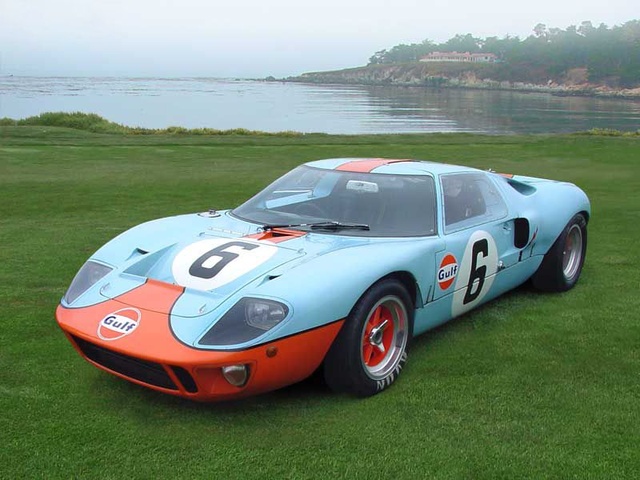
  7. Ford GT40
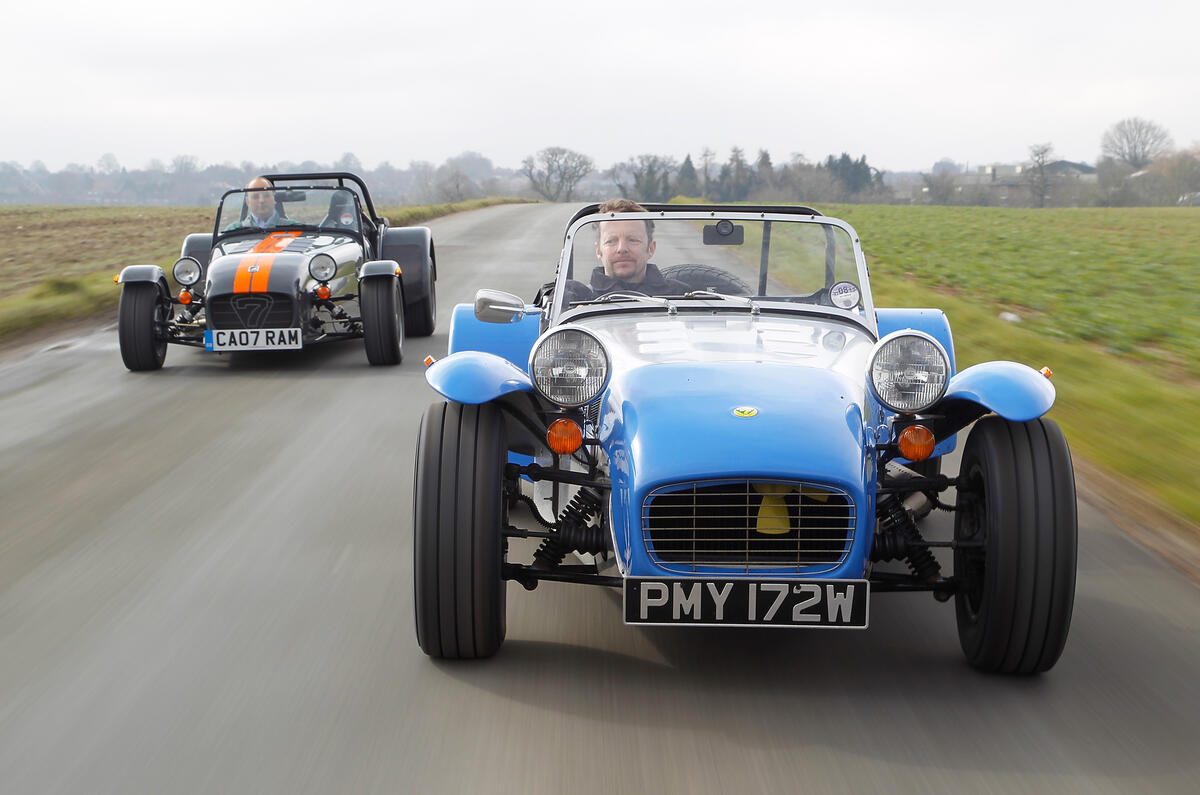
  8. Caterham/Lotus Seven
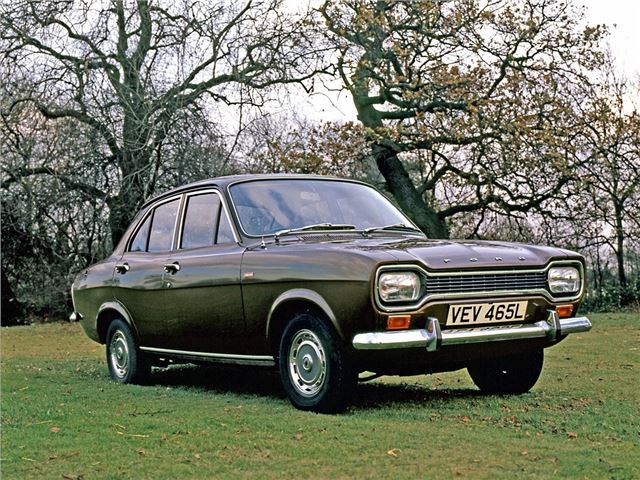
  9. Ford Escort Mk1
  10. Lotus Elise 

Monday, 20 March 2017

The Top Ten movie cars and their values, The Car Oscars are here, well, the best of them !

As the annual Oscar winners are announced in Hollywood on Sunday 26 February, automotive experts, hpi has revealed its list of the most iconic cars to star on the silver screen and what they could be worth today.  

Following a poll amongst its team of motoring editors, hpi has identified the top 10 most iconic movie cars:
10) 1977/2009 Chevrolet Camaro - Bumblebee from Transformers
9) 1970 Dodge Charger - Vin Diesel's car in The Fast & the Furious
8) 1968 Ford Mustang GT 390 Fastback - as seen in Bullitt
7) 1980 Lamborghini Countach LP 4005 - as seen in Cannonball Run
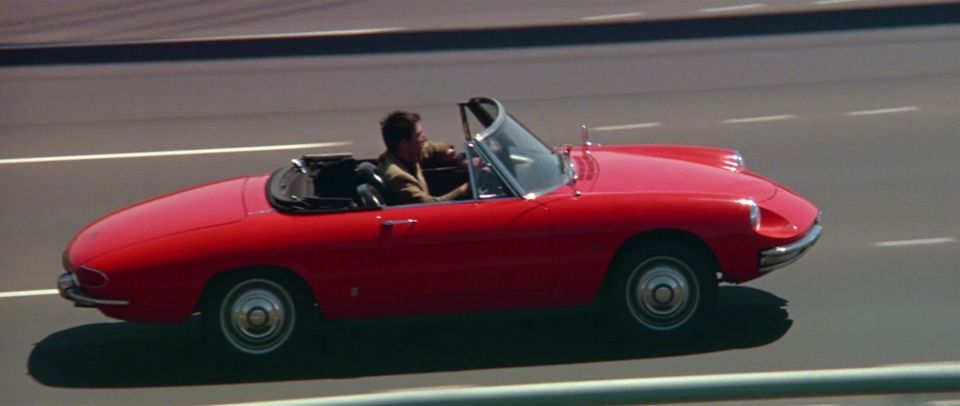
6) 1966 Alfa Romeo 1600 Spider Duetto - as seen in The Graduate
5) 1968 Austin Mk I Mini Cooper S - as seen in The Italian Job
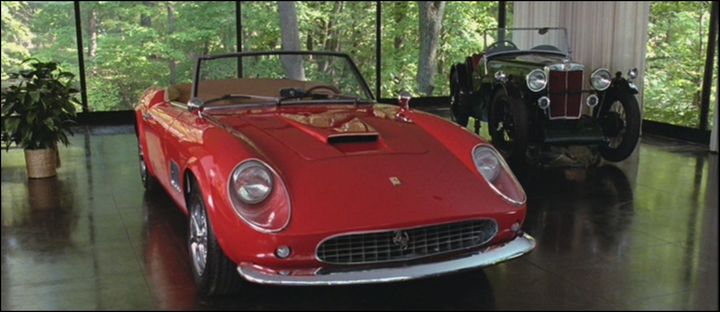
4) 1961 Ferrari 250 GT California Spyder - Ferris Bueller's Day Off
3) 1963 Aston Martin DB5 - as seen in various James Bond movies
2) 1963  Model 117 VW Type 1 Beetle - as seen in Walt Disney’s Herbie movies
1) 1981 DeLorean DMC-12 - as seen in the Back to the Future trilogy
As a collection, the cars would have been worth a total of £30,362.00 based on RRP in their year of manufacture with the Ferrari from Ferris Bueller’s Day Off valued at £6,326.00 in 1961. James Bond’s Aston Martin DB5 was worth £4,175.00 in 1963, and featured in Goldfinger and Thunderball in 1964 and 1965 respectively as well as later Bond’s Goldeneye, Tomorrow Never Dies, Casino Royale, Skyfall and Spectre. 
At today’s estimated retail values the Ferrari 250 GT California Spyder would fetch approx. £1.75m and the Aston Martin DB5, a cool £1m. The 1980 Lamborghini Countach LP 4005 would be worth £275k. In total, at today’s retail average estimated value the entire collection would pull in £3,002,500.00 – fetching a massive 99 times return on the original investment of £30,362.00.*
Philip Nothard, consumer and retail editor at hpi said: “We thought it would be fun to come up with a definitive list of the most iconic cars to feature in the movies from the past fifty years and look at their values then and what they’d be worth now.  Some of the cars featured are bona fide classics and worth a significant amount now – warranting pride of place amongst any car collection. The DeLorean from Back to the Future was deemed as the most iconic and interestingly it was one of the most expensive at the time retailing at just over £10k. It would fetch around £35k at current market values, considerably more if fitted with a Flux Capacitor!”
hpi recently launched a vehicle valuations service giving consumers the ability to buy and sell cars with utmost confidence, offering them the inside view on the total cost of ownership of a vehicle during its lifespan along with precise depreciation figures.
The hpi valuations tool www.hpivaluations.com is aimed at consumers buying and selling cars in the used car market and minimises the risks that can see consumers paying over the odds or not getting the best-asking price.
* some of the vehicle values were based on currency conversions, due to some vehicles not being available in the UK.  The value today is not for the actual car featured in the films but based on the general model

Thursday, 2 February 2017

The UK hits a 17 year high for exports with Jaguar Land Rover leading the UK Charge.

  • 1.7 million cars built in the UK in 2016, an increase of 8.5% and the highest output for 17 years.
  • Exports at record levels for second consecutive year as more than 1.35 million cars shipped worldwide.
  • More than one in two cars exported to Europe, our single biggest trading partner, with demand up 7.5%.
  • Growth driven by multi billion pound investments in previous years – not post Brexit bounce.
UK car production achieved a 17-year high in 2016, according to the latest figures published today by the Society of Motor Manufacturers and Traders (SMMT). 
1,722,698 vehicles rolled off production lines last year from some 15 manufacturers,1 an 8.5% uplift on total production in 2015 – and the highest output since 1999.2
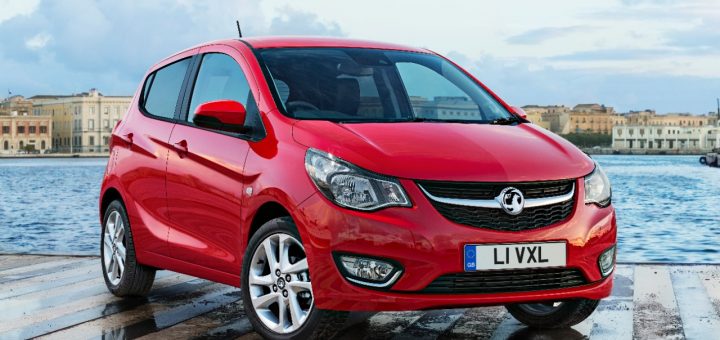
More cars are now being exported from Britain than ever before, the result of investments made over recent years in world-class production facilities, cutting-edge design and technology and one of Europe’s most highly skilled and productive workforces. 
Ten brand new car models began production in the UK last year, nine of them from premium brands which has helped make the UK the second biggest producer of premium cars after Germany and the third biggest car producer in Europe.3  
Total committed investment announcements in the automotive sector in 2016 were approximately £1.66 billion across a number of companies. This figure is down from  £2.5 billion in 2015.
Production growth was predominantly driven by overseas demand, with global appetite for British-built cars rising by 10.3% to an all-time high of 1,354,216 – a second consecutive annual record. Around eight out of every 10 cars manufactured in the UK is now exported, bound for one of 160 markets worldwide.
It was continuing economic recovery across Europe, however, that accounted for the bulk of the growth. Exports to the rest of the EU grew 7.5% to 758,680 and accounted for more than half of all UK car exports. 
Furthermore, Europe supplies the majority of components within UK-built vehicles, underlining the critical importance of tariff and barrier-free trade to future UK automotive production.

Growth was strong across a number of markets, notably the US – the UK’s biggest export destination after the EU – where demand rose by almost half (47.2%) meaning it now accounts for around 14.5% of all UK car exports. 
Notable uplifts were also seen in Turkey, Japan and Canada whilst China, third on the list of export markets, grew by a more modest 3.1% with 88,610 vehicles exported last year.
Domestic demand for UK built cars also grew last year, up 2.4% in the year, and the UK remains the second largest car market in Europe, again after Germany.4 One in seven new cars registered by UK buyers is now made in Britain, up from one in eight three years ago.
Mike Hawes, SMMT Chief Executive, said, “The tremendous growth in UK production is testament to the global competitiveness of the UK automotive sector. 
High class engineering, advanced technology and a workforce committed to quality have helped turn around the industry, making the UK among the most productive places in Europe to make cars. 
Significant investment in new plants and products over the past few years has driven this growth, not a post-Brexit bounce. We want trade deals but they must be the right deals, not rushed deals. Failure to do so could damage UK automotive manufacturing beyond repair.”
1. The UK’s 15 manufacturing plants are owned by a range of independent and multi-national-owned companies: Aston Martin (Gaydon); Bentley (Crewe); Caterham (Dartford); Honda (Swindon); Jaguar Land Rover (Castle Bromwich, Solihull, Halewood); Lotus (Norwich); McLaren (Woking); Mini (Oxford); Morgan (Malvern); Nissan (Sunderland); Rolls Royce (Goodwood); Toyota (Burnaston); Vauxhall (Ellesmere Port).
2. 1,799,004 cars were produced in the UK in 1999.
3. New UK models starting production in 2016: Aston Martin DB11; Bentley Bentayga; Jaguar F-Pace; Infiniti Q30; Infiniti QX30; Land Rover Range Rover Evoque Convertible; McLaren 540; McLaren 570; Rolls Royce Dawn; Vauxhall Astra Sports Tourer.
4. ACEA data for 2016. 

Wednesday, 12 October 2016

UK SALES SEPT - Vauxhall has a bumper month with the brand selling close to 50,000 units

  • Bumper sales with 47,067 vehicles sold in plate-change month
  • Two models in top ten UK best-sellers: Corsa and Astra
  • Vauxhall number one in Scotland plus Corsa number one car
  • Best-selling retail van manufacturer, Brit-built Vivaro top retail van
Vauxhall sold 47,067 cars and vans in the crucial plate-change month of September with two models, Corsa and Astra, among the UK’s top ten best-sellers, according to figures released today by the Society of Motor Manufacturers and Traders (SMMT).
Vauxhall’s top-selling model, the Corsa supermini, achieved sales of 14,570. It was also Scotland’s best-selling car with 2,361 sold in the region according to the Scottish Motor Trade Association (SMTA). 

The SMTA also confirmed that Vauxhall was the number one manufacturer in Scotland with 4,977 cars sold last month.

The all-new Astra had its best-ever month with 8,776 sold in the UK. Astra and Insignia both topped their respective segments at fleet level in September.
And the outgoing Mokka went out with a bang. With the new Mokka X celebrating its dealer launch this month, the previous generation model sold 5,224 in its swan song month. In the expanding compact SUV segment, Mokka has proven to be a hugely popular option, surpassing 125,000 sales in the UK since its launch.
Vauxhall’s Luton-built Vivaro, the UK’s only British made van, was the number one selling commercial vehicle at retail with 1,299 sold last month and 6,268 during 2016. Overall, Vauxhall Commercial Vehicles was also the number one manufacturer at retail level with 2,175 vans sold last month and 10,599 year-to-date. Sales of Vivaro’s big brother, the Movano, were up 34 per cent in September.
“September was a great month for Vauxhall with sales results that we can be truly proud of,” said Rory Harvey, Vauxhall’s Chairman and Managing Director.
“Now we focus on finishing the year strongly with new models including Mokka X and Zafira Tourer arriving in showrooms and OnStar giving us a tremendous lead in the vehicle connectivity arena.”
Joining the Mokka X and Zafira Tourer in showrooms next year will be the VIVA ROCKS which premiered at the 2016 Paris Motor Show last week.

Friday, 30 September 2016

PARIS - The Best of British will be fully showcased at this years Paris Motor Show.

  • 8 British-built cars and industry leaders join forces to promote UK Automotive ahead of key Paris motor show.
  • UK brands more popular than ever, with exports reaching record levels in 2015, and almost 900,000 cars shipped to global buyers in first eight months of 2016.
  • £10 billion invested in UK over past five years to produce new models and enhance UK’s position as a centre for engineering excellence.
EightvofvthevUK’s major car brands united today at the Eiffel Tower in Paris on the eve of the key international motor show to demonstrate the diversity and quality of cars currently produced in the UK. 
Senior executives from British based manufacturers, including Aston Martin, BMW MINI,vHonda,vJaguar-Land Rover, McLaren, Nissan, Toyota and Vauxhall, were joined by Mark Garnier MP, the British Parliamentary Under Secretary of State at the Department for International Trade, to promote the strength of the UK automotive sector to a global audience.
ThecUKvautomotive industry has undergone unprecedented growth in recent years –thanks to competitive business conditions, tariff-free trading and significant investment in new models and facilities. 

Car manufacturing achieved a 10-year high last year and British-built cars have never been so popular, with a record 1.2 million cars exported to more than 100 countries. Already in the first eight months of 2016, that total looks set to be beaten this year, with exports reaching almost 900,000 vehicles –13% ahead of the same period in 2015.1
The UK’s biggest trading partner is the European Union and 57.3% of UK-produced cars have been exported to the rest of the EU so far this year, followed by 12.1% to the US and 7.1% to China. While the US topped the list of individual countries buying British cars, EU Member States took six of the top 10 places: Germany, Belgium, Italy, France, Portugal and Spain.
Mike Hawes, SMMT Chief Executive, said, “The UK automotive industry is respected globally for its rich heritage, iconic brands and engineering excellence. More than £10 billion of investment has gone into new facilities and models over the past five years and we’re proud to see so many rival brands coming together to promote the strengths of UK Automotive ahead of a key international motor show. The future success of this sector will hinge upon the ability of the UK to maintain the business and trading conditions that make the sector so competitive globally.”
Huge sums are invested into the UK to develop, manufacture and bring to market vehicles that are cleaner, more fuel efficient, safer and more advanced every year. When it comes to ultra low emission vehicles and plug-in cars in particular, the UK has a strong record, with a £1 billion joint industry-government initiative to develop advanced propulsion technologies, while the UK ultra-low emission car market itself is the second fastest growing market in Europe after Spain.2
Meanwhile, the UK is already earning a reputation as a global development hub for connected and autonomous vehicles, thanks to significant industry and government investment. The ability to trial these cars on public roads – as a result of the UK not having ratified the Vienna convention some decades ago – has given the UK a two-year head start on many other countries. This offers huge growth potential for the UK as the development and introduction of these technologies could result in an annual £51 billion contribution to GDP by 2030, along with 300,000 new jobs created and 25,000 accidents prevented every year.
That the UK has grasped this opportunity is testament to its ability to adapt, lead and innovate. Thanks to early investment, expertise and an inherent commitment to technological advancement, UK Automotive is well placed to be at the forefront of these breakthrough technologies to make driving smarter, safer and cleaner.
10 facts about the UK car industry
  1. In the UK, a new car rolls off production lines every 16 seconds.
  2. The UK exports around 80% of all the cars it produces – and exports are at record levels, with 1.2 million people across the world buying a British car in 2015.
  3. Some 2.5 million engines are produced every year in the UK, with more than half exported to global markets.
  4. The UK is home to 13 R&D centres and six design centres. In fact, innovation has been a major part of the sector’s growth – with £2.5 billion invested every year in R&D.
  5. In terms of car production output, the UK now ranks 3rd in the EU (behind Germany and Spain); and 10th in the world3 – and the sector also has the highest level of workforce productivity in Europe.4
  6. If development of connected and autonomous vehicles continues at its current rate, the industry could be worth £51 billion to companies operating here by 2030.
  7. The UK has one of the EU’s fastest growing electric car markets – demand grew by more than 50% last year.
  8. The UK imports 86.5% of the 2.63 million new cars sold in the country – 81.5% of them from the EU – offering consumers a huge choice.
  9. The UK is home to 90% of the world’s top automotive suppliers, and a £6 billion untapped supply chain opportunity has been identified there.5
  10. The UK new car market is one of the most diverse in the world, and with 2.63 million vehicles registered in 2015, it is the second biggest in Europe behind Germany.6 
The 8 cars and where they are made:
  • Aston Martin DB11 (Gaydon)
  • McLaren 570S (Woking)
  • Honda Civic (Swindon)
  • Jaguar F-Pace (Solihull)
  • MINI Clubman (Oxford)
  • Nissan Qashqai (Sunderland)
  • Toyota Auris (Burnaston)
  • Vauxhall Astra (Ellesmere Port)
Some 16 car brands are currently manufactured in the UK:
Aston Martin (Gaydon); Bentley (Crewe); Caterham (Dartford); Honda (Swindon); Infiniti (Sunderland); Jaguar Land Rover (Castle Bromwich, Solihull, Halewood); Lotus (Norwich); McLaren (Woking); MG Motors (Longbridge); Mini (Oxford); Morgan (Malvern); Nissan (Sunderland); Rolls Royce (Goodwood); Toyota (Burnaston); Vauxhall (Ellesmere Port).

  1. 877,457 cars exported from UK in the year January – August 2016: SMMT Data
  2. ACEA data for Q2 2016
  3. OICA data for 2015
  4. Automotive Council: The UK Automotive International Competitiveness Report
    November 2015
  5. Automotive Council
  6. ACEA data for 2015
Top 10 export destinations in the EU28:
  1. Germany: 73,916
  2. Belgium: 65,431
  3. Italy: 64,526
  4. France: 60,108
  5. Portugal: 32,963
  6. Spain: 31,229
  7. Poland: 12,568
  8. Ireland: 12,407
  9. Netherlands: 11,153
  10. Sweden: 10,915