My thoughts on all things motoring, press releases, reviews & techie stuff, from around the world.
Please note that the pictures of vehicles within this blog are used as examples of the specific press releases, on occasions, due to the lack of available official pictures, examples are re-produced.
ANY AND ALL PROFANITIES WILL BE REMOVED AND THE PERSON/S RESPONSIBLE WILL BE BANNED, NO EXCEPTIONS.
Purpose
I will try my best to provide detailed info on various cars and what is like to live with them, I have already produced a few for Jaguar-car-forums, I will do my best to be unbiased, but it will be hard for some cars. I will re-produce press releases and copy from other motoring news.
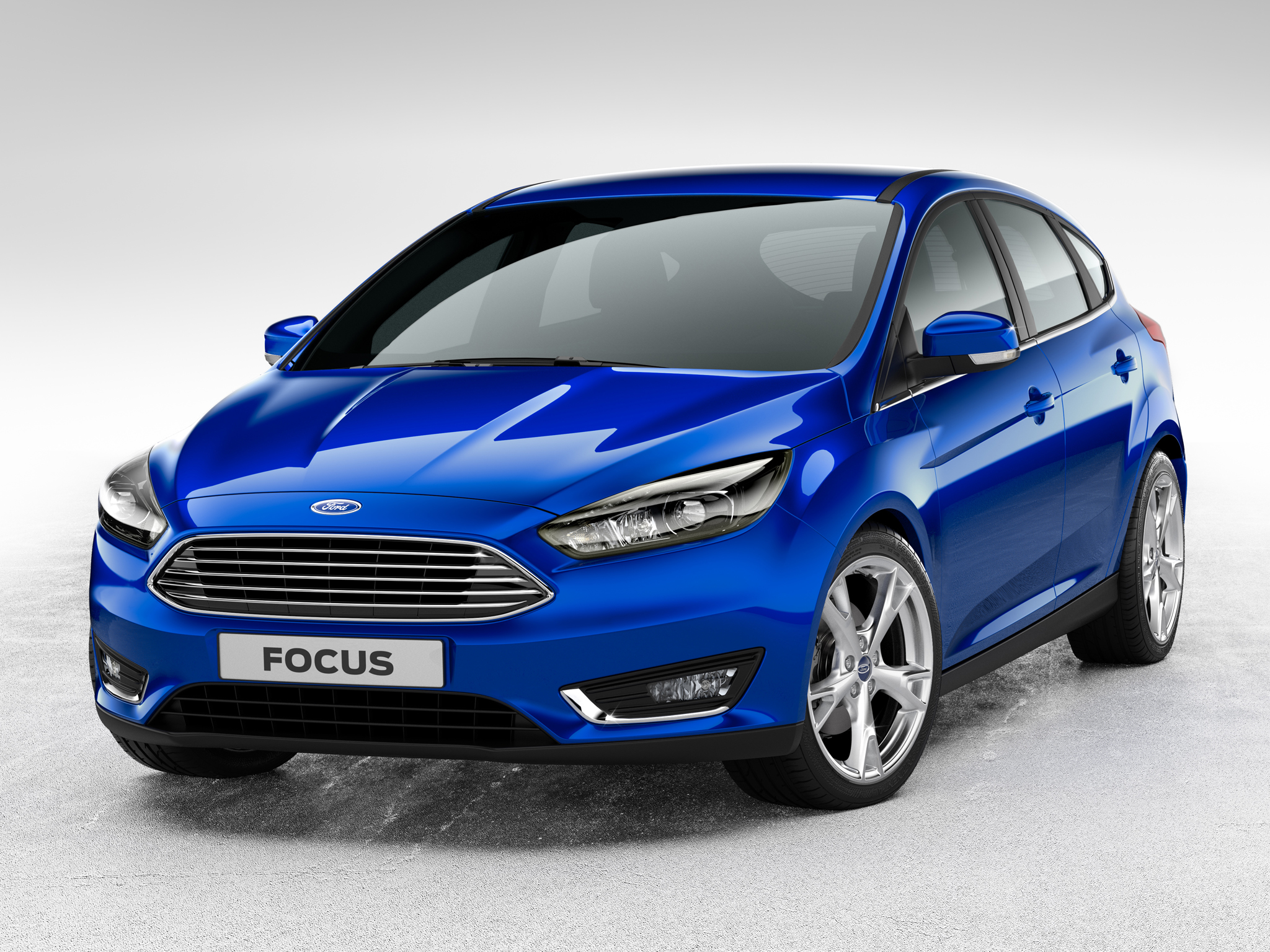
Ford Focus ST sales have soared by 270 per cent in the UK since the expanded petrol and diesel powered line-up debuted this year
Demand is evenly split: 45 per cent choose new 185PS diesel option and 55 per cent select 250PS EcoBoost petrol model
Diesel Focus ST now offered with six-speed dual-clutch PowerShift transmission, available to order for delivery in early 2016
PowerShift model is Ford’s quickest ever diesel car, with 0-62mph in around 7.7sec
Ford Focus ST sales have leapt by 270 per cent since the introduction of new petrol and diesel powertrains. Almost 6,700 diesel and petrol Focus STs have been sold in the UK so far this year, compared with 2,460 for the whole of last year.
Demand in Britain is evenly split between the two engine options, with 45 per cent choosing the new 185PS diesel Focus ST and 55 per cent selecting the 250PS EcoBoost petrol variant.
The UK’s appetite for Focus ST, with the ST170 in 2002 has driven sales beyond 50,000.
Ford is further expanding the Focus ST powertrain line-up to offer a six-speed dual-clutch PowerShift transmission with the diesel engine, available to order now for delivery in early 2016.
“New Focus ST has been a runaway success with customers spoilt for choice between our latest petrol and diesel power units,” said Roelant de Waard, vice president, Marketing, Sales and Service, Ford of Europe. “Diesel drivers now have the additional option of the Ford PowerShift transmission, which allows them to swap between quick-shifting automatic and sporty manual to suit their mood.”
The new Focus ST diesel PowerShift model will be Ford’s fastest accelerating diesel car ever, targetting 0-62mph in 7.7sec – 0.4sec quicker than the manual variant – and delivering CO2 emissions of 119g/km and combined fuel economy of up to 61.4mpg.
The Ford PowerShift transmission provides Focus ST diesel customers with the choice of driving in full automatic mode, or selecting gears manually using paddles mounted behind the steering wheel.
Drivers can also select a Sport mode by moving the gear lever to the S position, which offers a more dynamic driving experience with a sports shift programme that changes up at higher engine speeds and shifts down under braking for enhanced control.
In addition to the expanded engine line-up, Ford’s latest Focus ST offers an even more responsive, balanced and refined driving experience with optimised chassis control technologies, tuned suspension and steering, and bespoke tyre specification. The sporty new five-door and Estate models also offer advanced driver assistance technologies and connectivity features including the SYNC 2.
Energy usage, per vehicle produced, reduced by 25 per cent since 2011 following investments of £20 million in Ford’s European plants
Generated annual energy saving of 800 gigawatt hours – equivalent to the energy used each year by a city the size of Oxford
New Energy Management Operating System contributes to prestigious International ISO 50001 certification for Ford facilities at Cologne and Saarlouis in Germany
Industry-first heat recovery system transforms and recycles low-grade waste heat from paint systems
Ford in Europe is on course to achieve a reduction in energy usage, per vehicle produced, of 25 per cent since 2011, following investments of £20million specifically targeting energy waste.
This means that each year Ford will save about 800 gigawatt hours at its European plants – roughly the amount of energy used annually by a city with a population of 170,000, such as Oxford.
As part of the Ford Production System, a new energy management operating System is now deployed throughout Ford’s European manufacturing centres. Facilities in Cologne and Saarlouis, Germany, for example, have achieved International ISO 50001 status for their energy management and efficiency.
“Constantly finding new ways of saving natural resources is an important challenge for Ford, especially in an energy intensive industry such as car-making,” said Richard Douthwaite, manager, Energy Management, Ford of Europe. “Recycling waste heat from factory paint ovens is just one of the creative ways we are reducing energy demand, helping us to lower the environmental impact of our manufacturing facilities around the world.”
The energy-saving measures include a system that recovers heat energy from the paint oven exhaust stacks and returns it as useful heat into the district water heating system. The system in Cologne has delivered 16 gigawatt hours since start-up in November 2013. A similar system is now operational in Ford’s Saarlouis plant and a further one is planned for its factory in Valencia, Spain.
A second paint heat recovery project, believed to be an industry-first, relates to the transformation of massive volumes of low-grade heat otherwise exhausted from the Cologne paint spray booths. The process uses heat pump technology, and some residual energy from the paint oven exhaust recovery, to convert low-grade heat to useful heat that is then re-introduced at the fresh air intake of the paint spray booth to offset the gas burners. Anticipated full year savings are 50 gigawatt hours.
The company is continuing its switch to low-energy LED lighting at its manufacturing facilities in Europe. More than 25,000 new LED fixtures were installed at facilities around the world last year. Ford is also rolling-out the installation of an advanced automated building heating control and ventilation system at its factories. The hi-tech system allows Ford energy teams to remotely control – and even switch off – heating systems in individual offices, or areas that are not in use, within its plants.
In the UK, Ford’s Dagenham and Bridgend engine plants both use renewable energy sources to help power their operations. Three wind turbines at Dagenham provide enough clean energy to power engine production at the Ford Dagenham Diesel Centre while a wind turbine and solar energy contribute to Bridgend’s sustainable energy actions.
Sustainability is a core part of Ford’s business strategy, both in terms of smart manufacturing and mobility solutions; and a range of technologically advanced, fuel-efficient vehicles. Ford’s Sustainability Report is an important part of the company’s commitment to transparency and has helped to drive progress within Ford and across the industry.
All-new Ford Galaxy MPV debuts Intelligent All-Wheel Drive for enhanced traction and road-holding
Intelligent All-Wheel Drive continuously measures traction at all four wheels and instantaneously calculates where to deliver engine torque
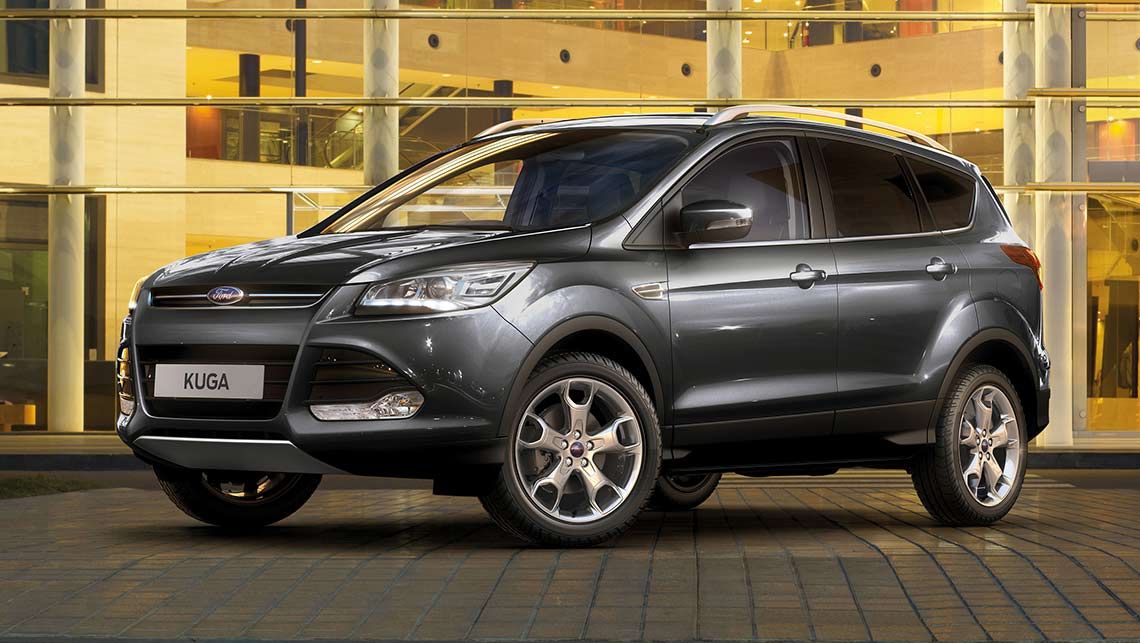
Ford expands the number of vehicles with Intelligent All-Wheel Drive – including Kuga, all-new Mondeo, S-MAX and Edge
Galaxy available to order in Zetec, Titanium and Titanium X series, priced from £26,445
Seven-seater people mover provides luxurious and safe travel with practical innovations, class-leading refinement and advanced driver assistance technologies
Ford Motor Company today announced that the all-new Galaxy will be available with all-wheel drive. Ford’s Intelligent All-Wheel Drive system delivers enhanced traction and road-holding with a seamless transition between front-wheel drive and all-wheel drive performance to provide a more secure footing, especially in slippery conditions.
Measuring how the car’s wheels are gripping the road surface every 16 milliseconds – 20 times quicker than it takes to blink – the system can send up to 100 per cent of engine torque to the front or rear wheels, and make required adjustments in just 100 milliseconds.
By only delivering torque where and when it is needed, Intelligent AWD has minimal impact on fuel economy and CO2 emissions compared with permanent four-wheel drive systems.
“Families across Europe have grown up with the Galaxy. Customers are reassured by its ability to carry seven in first-class comfort and safety, and to constantly surprise with its unmatched versatility,” said Roelant de Waard, vice president, Marketing, Sales & Service, Ford of Europe.
“The all-new Galaxy now delivers even more assurance with Intelligent All-Wheel Drive, actively optimising traction for even smoother and more refined journeys.”
Ford is expanding the number of vehicles available with AWD. First available on Kuga, it is also available on the all-new Mondeo and S-MAX and will be offered on the Edge SUV later this year.
More grip on demand
The all-new Galaxy’s Intelligent AWD is always on. The primary goal of Intelligent AWD at low speeds is to improve traction. If, for example, the front of the vehicle is on ice and the rear is not, the all-wheel-drive system can send all the torque the powertrain can produce to the rear, putting power where the driver needs it.
At speeds above 18mph Intelligent AWD is tuned to improve driving feel, handling and responses using information from body control, braking, gearbox and the Electronic Power Assisted Steering.
By sending torque to the rear wheels when cornering at speed, the system can help reduce understeer – those situations when a vehicle’s momentum causes it to continue straight instead of following the driver’s intended path.
“Intelligent AWD activates when it is needed, so it can help Galaxy drivers find grip in wintery conditions and enhance the signature car-like driving dynamics with minimal impact on fuel-efficiency and without affecting refinement.
With Intelligent AWD, Galaxy drivers also can tow up to 2,000kg,” said Ulrich Koesters, vehicle line director, Ford of Europe.
The all-new Galaxy offers Intelligent AWD with the 150PS 2.0-litre TDCi diesel engine and six-speed manual transmission, and with the 180PS 2.0-litre TDCi engine and six-speed PowerShift automatic transmission.
Galaxy can also be equipped with a 120PS version of the 2.0-litre TDCi engine, and Ford’s new 210PS 2.0-litre TDCi bi-turbo diesel engine that offers enhanced responsiveness and 450Nm of torque from 2,000 rpm.
Petrol engine options include Ford’s new fuel-efficient 160PS 1.5-litre EcoBoost and 240PS 2.0-litre EcoBoost, and the entire Galaxy engine range meets Euro Stage VI emissions standards with CO2 emissions from 129 g/km* supported by Smart Regenerative Charging, Auto-Start-Stop and Active Grille Shutter technologies.
First-class travel
Ford also today announced prices for the all-new Galaxy. Available to order now in Zetec, Titanium and Titanium X series, it will start from £26,445.
Featuring the company’s latest global design language with a sophisticated grille and slim-line headlamps, the all-new Galaxy offers seven full-size seats, with practical innovations, class-leading refinement, and advanced driver assistance technologies.
Families can easily switch between seating and load space with a segment-first feature that raises third-row seats at the push of a button. Comfort is enhanced for front seat passengers with massaging Ford Multi-Contour Seats; and for rear seat passengers with integral link rear suspension that offers a smoother, quieter ride and more space.
Second- and third-row passengers benefit from up to 10mm more headroom than in the outgoing Galaxy and the third-row seats offer up to 40mm more headroom than key competitors.
The all-new Galaxy also supports drivers in town and on the highway with advanced technologies including:
Intelligent Speed Limiter, which when activated scans traffic signs and adjusts the throttle to help drivers stay within legal speed limits and avoid fines
Pre-Collision Assist with Pedestrian Detection, which will reduce the severity of some frontal collisions involving vehicles and pedestrians, or help drivers avoid some impacts altogether
Glare-Free Highbeam technology within the adaptive LED headlamps, which detects vehicles ahead and fades out light that could dazzle oncoming drivers, while retaining maximum illumination for other areas
Front Split View Camera, which enhances the driver’s field of vision when pulling out of a parking space or junction with a 180 degree camera system installed at the front of the Galaxy, and displays the image on the 8in high-resolution touchscreen in the centre console
Galaxy takes the nameplate’s signature car-like driving dynamics to a new level with Ford Adaptive Steering technology, which adjusts steering ratio according to speed to optimise manoeuvrability and precision.
The technologically advanced Galaxy seven-seat people mover was revealed for the first time in April earlier this year – on the back of a moving trailer – through a stunt performed with the help of illusionist Darcy Oake.
.jpg)