Purpose

I will try my best to provide detailed info on various cars and what is like to live with them, I have already produced a few for Jaguar-car-forums, I will do my best to be unbiased, but it will be hard for some cars. I will re-produce press releases and copy from other motoring news.
Showing posts with label Thatcham Research. Show all posts

Monday, 7 August 2017

A selection of cars gain the five stars, with one each for 3 and 4 in the latest Euro NCAP tests.

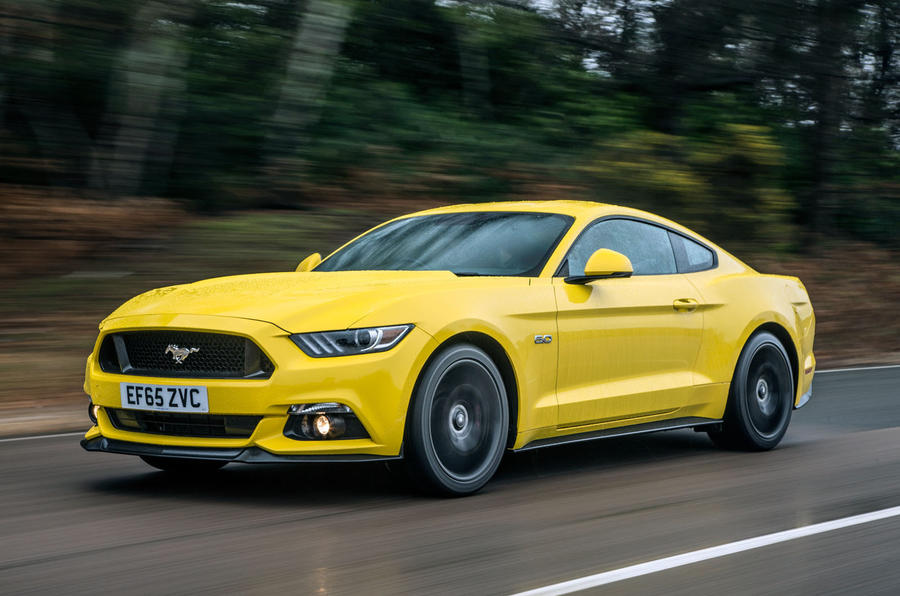
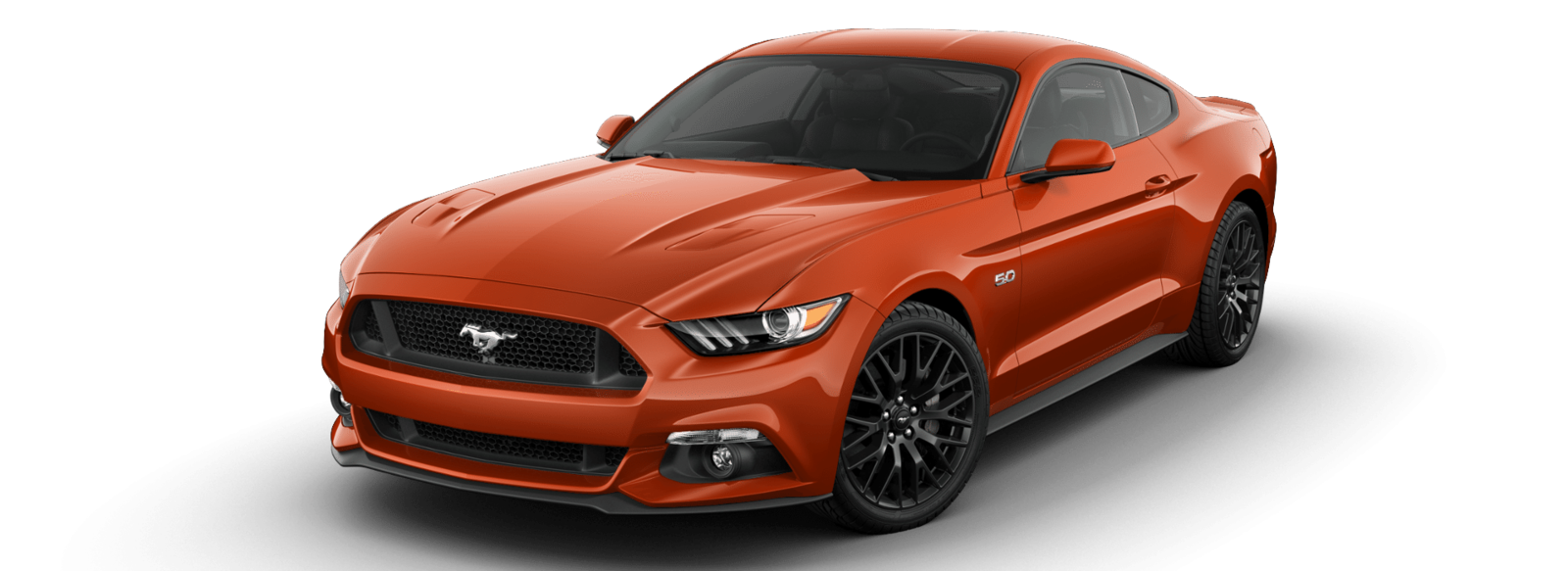
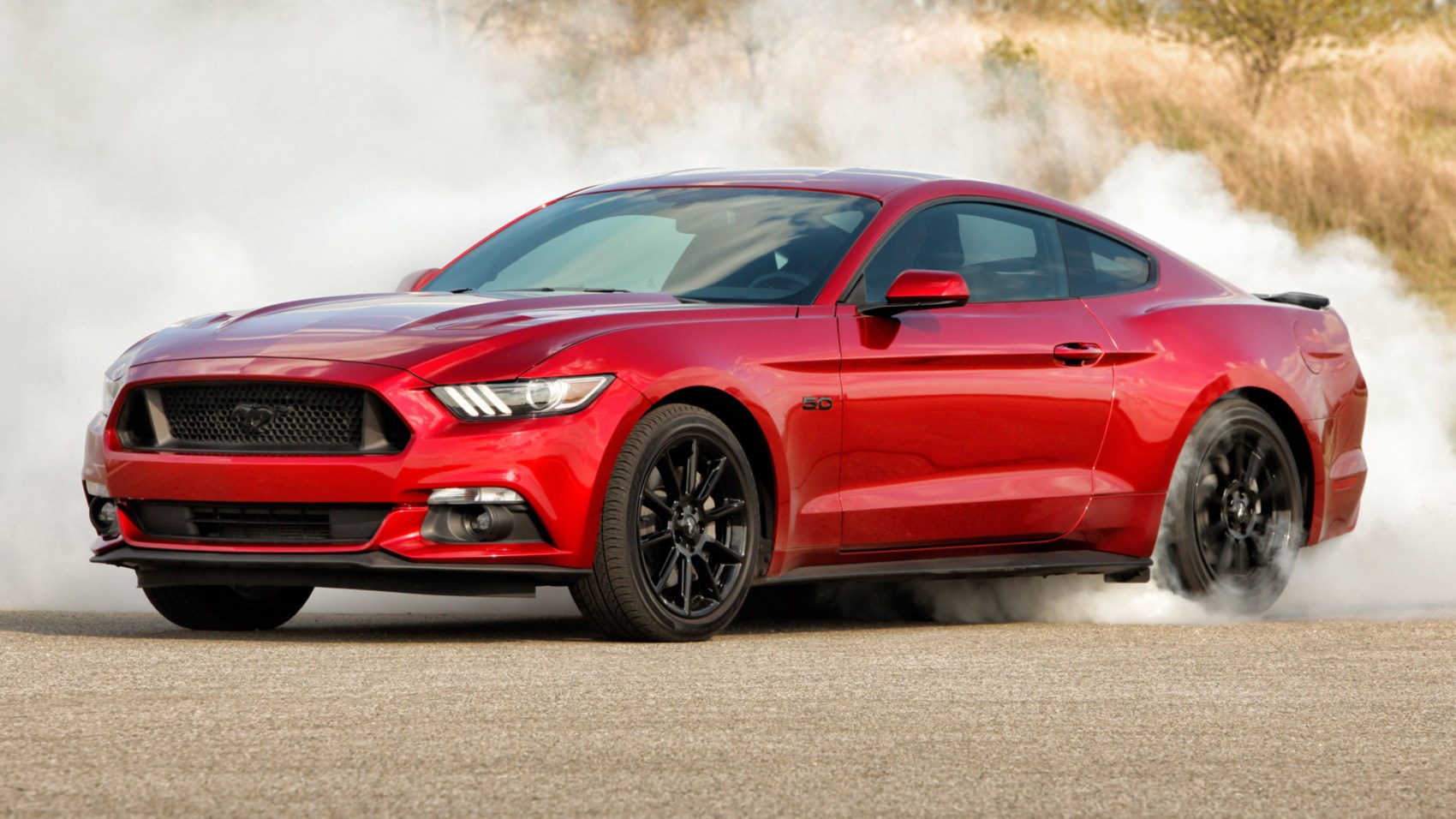
  • Retest of Ford Mustang shows safety improvement, secures Three Star Euro NCAP rating 
  • “This underlines the power of the Euro NCAP consumer testing programme,” says Thatcham Research 
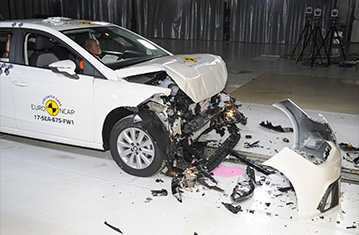
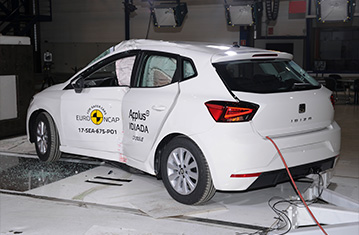
  • SEAT Ibiza the standout of other vehicles tested, raises the bar in Supermini safety 
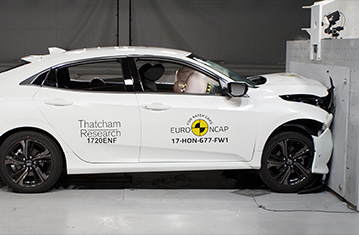
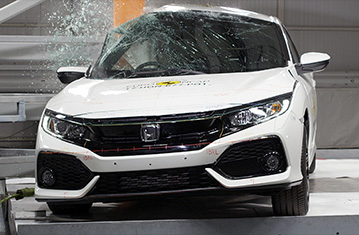
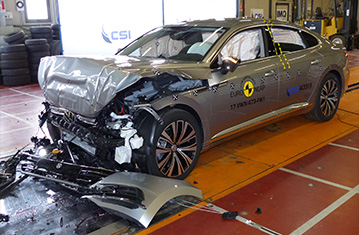
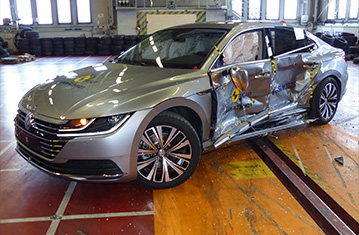
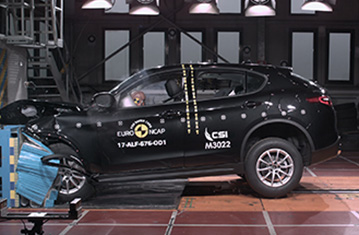
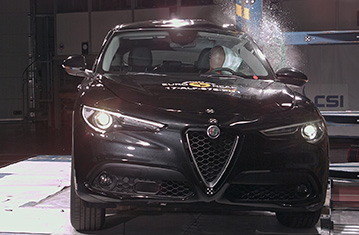
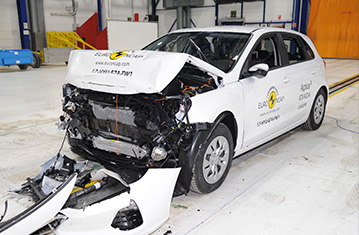
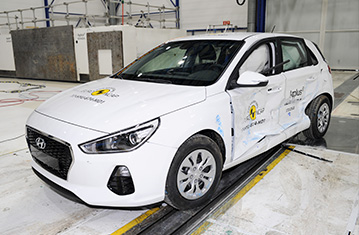
  • A further four vehicles tested – Five Star ratings for the Alfa Romeo Stelvio, VW Arteon and Hyundai i30, Four Stars for the Honda Civic
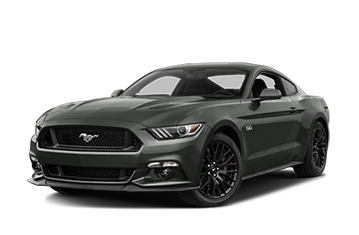
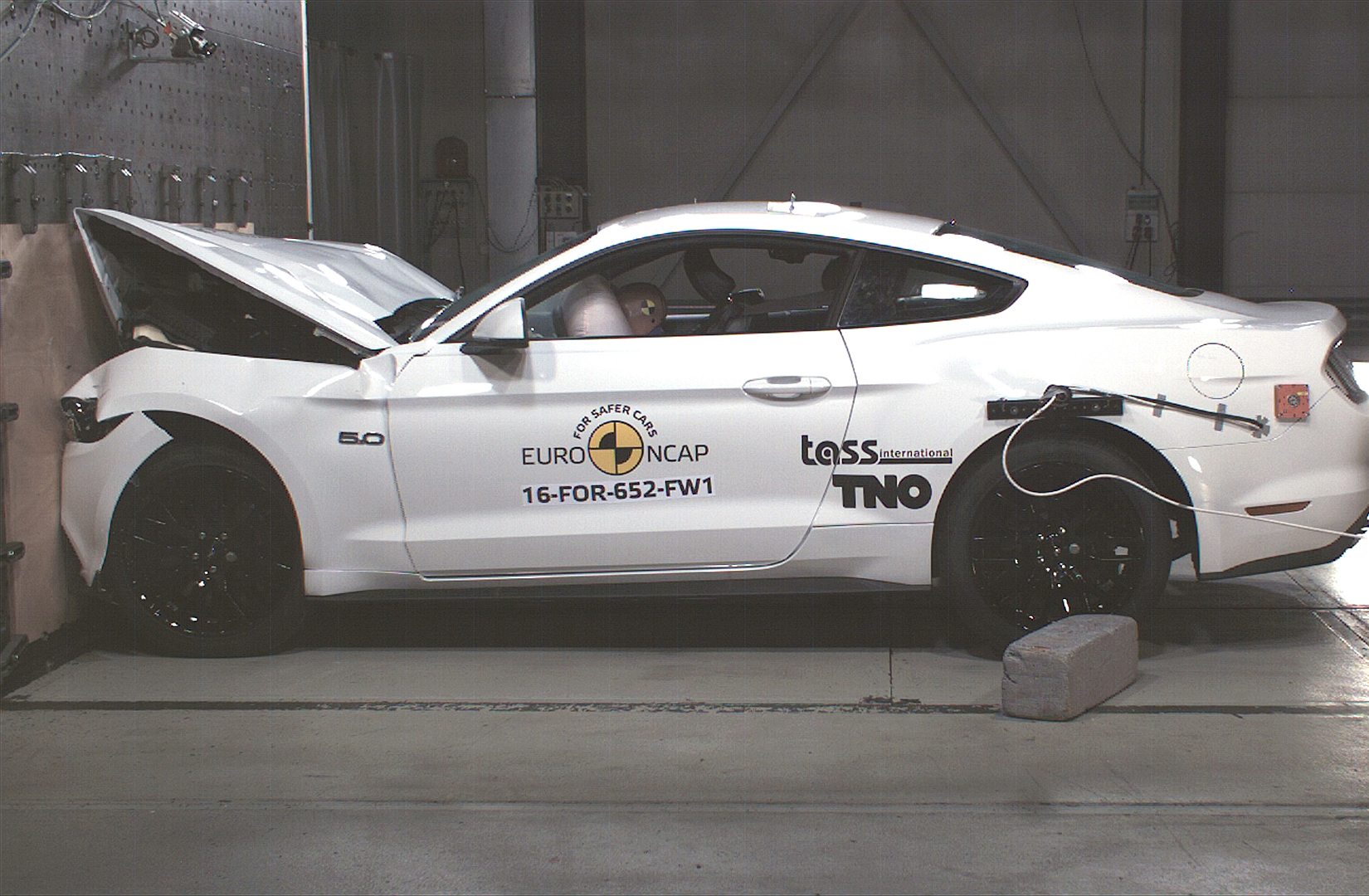
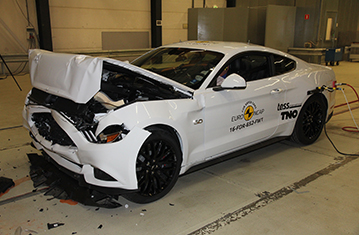
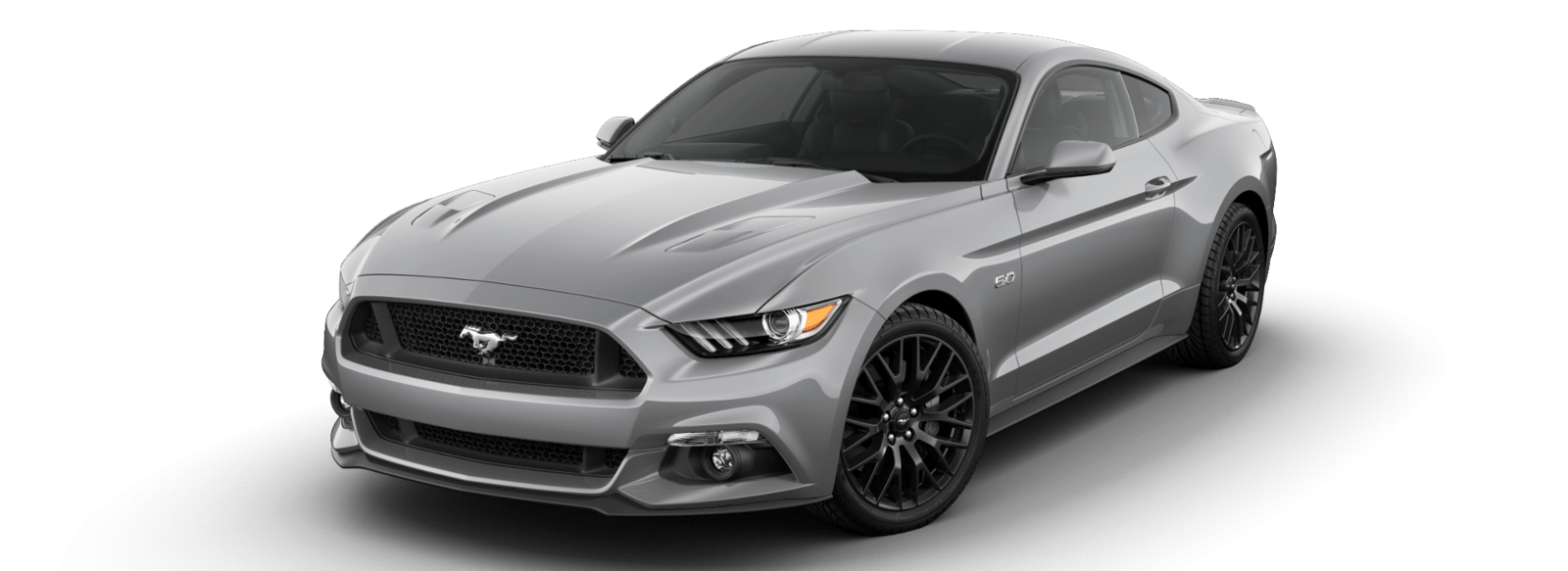
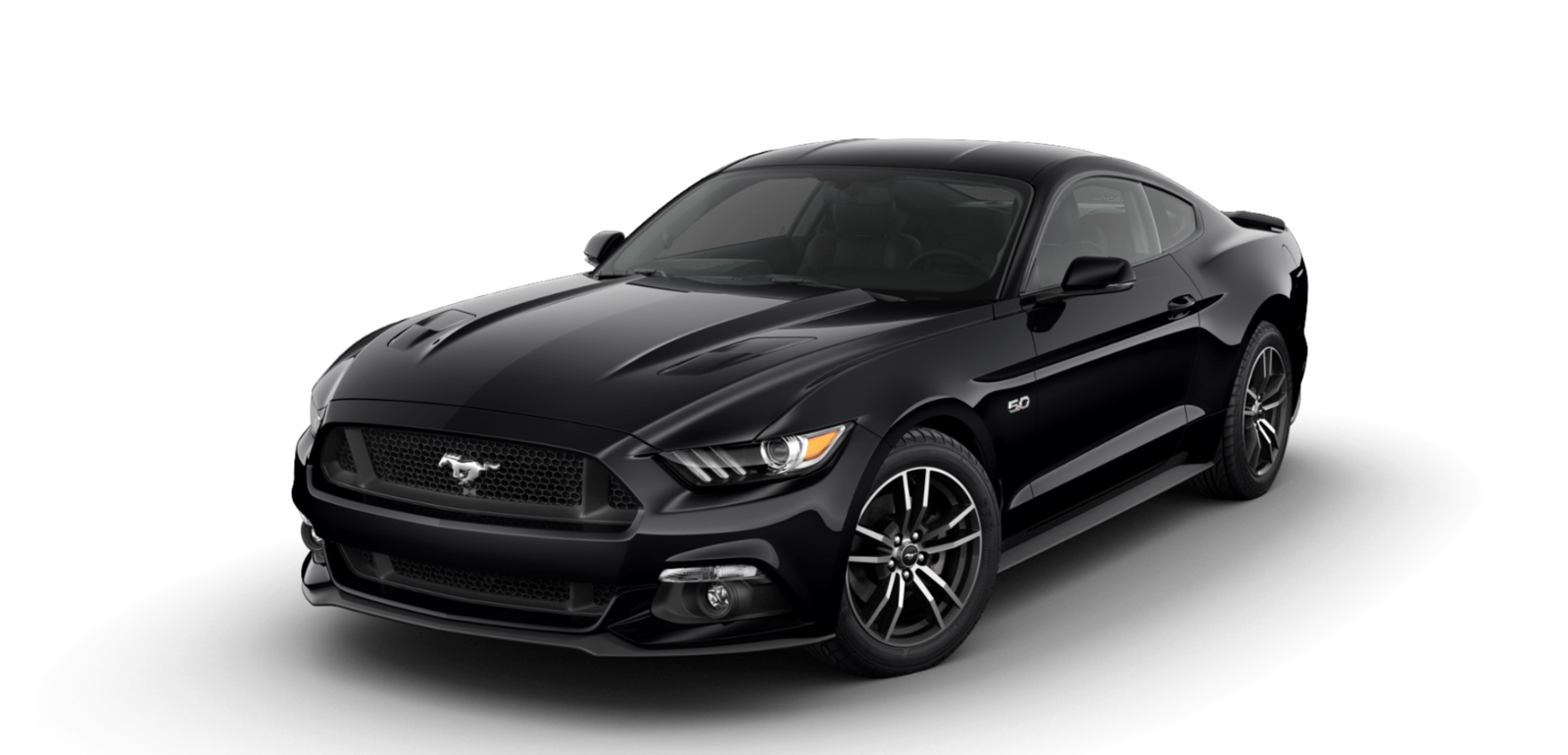
Following an unfavourable safety rating earlier this year, Ford has resubmitted its flagship Mustang sports car for testing, on this occasion earning a Three Star Euro NCAP rating. This follows the addition of standard-fit Pedestrian Detection, Forward Collision Warning, Autonomous Emergency Braking (AEB) and a Lane Keeping Aid, while rapidly addressing a ‘bottoming-out[1]’ issue with the driver’s airbag.

“In just a few months, Ford has responded to improve on the initial low safety rating given to the Mustang,” comments Matthew Avery, director of research at Thatcham Research. “Our advice to buyers is to always opt for a Euro NCAP Five Star car, so a Three Star Euro NCAP rating is never a cause for celebration. 
However, Ford’s rapid addition of a suite of standard-fit safety tech and its prompt updates to improve the performance of the airbags and restraints is to be applauded and underlines the power of the Euro NCAP consumer testing programme as a force for positive action. We will continue to apply pressure on carmakers to ensure UK drivers have the safest possible cars.”
Take a SEAT
July’s standout vehicle was the SEAT Ibiza, which at £13,000 is a relatively affordable and well-reviewed Supermini. Avery comments, “SEAT has set a new benchmark in safety for the Supermini price point category. The Ibiza not only comes with standard-fit AEB but also Pedestrian AEB – which is proven to reduce vulnerable road user deaths.
“The new VW Polo will be built on the same platform as the Ibiza which bodes well and with major new Supermini launches expected later in 2017, the safety game is now on for carmakers in this category.”
Four other vehicles were tested by Euro NCAP this month, with all but one achieving a Five Star rating. The Alfa Romeo Stelvio, VW Arteon and Hyundai i30 all received the maximum Five Stars. The Honda Civic was awarded a Four Star Euro NCAP rating, despite having standard-fit AEB. This was in part due to the head of the rear passenger dummy representing a 10 year old recording a hard impact through the curtain airbag

Sunday, 5 February 2017

20 years ago, the new safety standard was introduced, today we compare a car from 1997 to one today.

  • 182,000 killed and seriously injured car occupants saved in the UK since car testing began in 1997, primarily through the ground-breaking work of Euro NCAP
  • UK car occupant deaths and injuries down by 63 per cent over 20 years
  • Cars ‘safest ever’ with 9 out of 10 cars sold on the European market holding a Euro NCAP rating
  • 2,700 deaths and serious injuries in the UK could be saved every year if AEB that can sense both pedestrians and cyclists became standard on every new car
  • Consumers urged to ONLY buy Euro NCAP Five Star-rated cars with collision avoidance technology like AEB and Lane Assist systems
  • New tests in 2018 to address lane control, pedestrian night-time safety, junction crashes and cyclist protection
MORE than 182,000 killed and serious injuries have been saved on UK roads since revolutionary Euro NCAP car safety tests were launched 20 years ago. This equates to 15,000 per annum.
The tests, introduced in February 1997 and in the face of fierce motor industry opposition, exposed hidden dangers in top-selling family cars, forcing a fundamental rethink in the way vehicles were designed to prevent injuries and save lives.  Twenty years on, 9 out of 10 cars sold on the European market hold a Euro NCAP rating.

Today, as the results of a crash-test between two family cars built 20 years apart (a 1997 Rover 100 and a current Honda Jazz) underline major advances in vehicle safety, Thatcham Research, who conduct UK tests for Euro NCAP, estimates that advances driven by rigorous testing has helped deliver a 63 per cent reduction in car occupants killed and seriously injured, from 23,000 in 1997 to 8,500 in 2015.
Over the same period the number of pedestrians and cyclists killed or seriously injured has fallen by 40 per cent, from 14,500 in 1997 to 8,500 in 2015.
Demanding safety as standard
Thatcham Research is marking the 20th anniversary by urging consumers to further boost Britain’s road safety record by making a commitment to buy only models with a five star Euro NCAP rating and a collision avoidance technology like AEB and Lane Assist systems.  They also called on manufacturers to make AEB (Autonomous Emergency Braking) standard fitment, to prevent thousands of accidents.
The call came as Thatcham Research, which conducts Euro NCAP tests in the UK, estimated that if AEB that can sense pedestrians and cyclists became standard on every new car sold in the UK, it would save 2,700 pedestrian and cyclist deaths and serious injuries every year.  Over 20 years, this would mean 54,000 fewer.
“As we mark 20 years at the forefront of road safety, we are very proud that Euro NCAP’s programme of safety tests has achieved major, life-saving improvements in cars and has helped Europe reach the lowest road fatality rate for any region in the world,” said Euro NCAP’s Secretary General, Michiel van Ratingen.
“Euro NCAP has given millions of consumers the knowledge and confidence to choose the safest cars possible. Recent years have shown a slowdown in the progress rate, however, so we mustn’t take our foot off the gas. We want to ensure that Europe’s roads get even safer in the next 20 years, not just for car occupants but for all participants in traffic. We already test many more aspects of a car’s safety than we did when we started in 1997, and that is set to continue. Next year, we will test systems that recognise and avoid crashes with cyclists, and we’re lining up a very challenging roadmap for 2020 to 2025.”
Consumer outcry, manufacturers under scrutiny
Since 1997 Euro NCAP has assessed 629 different car models, resulting in nine out of 10 cars now sold in Europe holding an official Euro NCAP rating. Safety technologies that were non-existent or optional at best - such as driver and passenger airbags, side curtain airbags, seatbelt reminders and electronic stability control – are now standard on most cars sold in Europe.
Backed by the UK Government, the FIA (Federation Internationale de l’Automobile) and the Swedish and Dutch Governments, the first Euro NCAP crash test results were revealed on February 4 1997. Until then car makers had to meet only basic legislative crash test requirements for new cars. They conducted their own crash tests but they were not standardised - and the results were not published. It was impossible for consumers to compare the safety of one car with another.
Euro NCAP’s programme turned these principles on their head. 1997 was the first time that realistic, like-for-like tests had been conducted by independent experts and the results sparked outrage from consumer groups, the public and the media.
“Euro NCAP has fundamentally changed the way that vehicle buyers and vehicle manufacturers value safety,” said Peter Shaw, chief executive at Thatcham Research. “In 1997, many motorists were still choosing not to wear seatbelts. Only a few years later we were demanding airbags, side impact protection and other safety systems. You’re now twice as likely to walk away from a car cash compared with twenty years ago. These major changes in the way people and manufacturers prioritise safety are all thanks to Euro NCAP.
“The focus now is all about crash prevention. Making sure that Britain’s roads continue to become even safer, not just for car occupants but for every road user.  We have come a long way since the days when manufacturers met only the most basic, mandatory, safety requirements but we must continue to apply pressure.”
Major industry pushback
In the first test, of seven popular ‘super-mini’ sized cars, the Ford Fiesta and Volkswagen Polo each achieved three stars out of the then-maximum of four, based on protection levels offered to adult occupants.
The top-selling Rover 100 (formerly the ‘Metro’) achieved only one star while the Fiat Punto, Nissan Micra, Vauxhall Corsa and Renault Clio achieved only two stars. When pedestrian protection was assessed, no vehicle scored more than two points, suggesting that manufacturers were not designing front ends with vulnerable road users in mind.
Leading car manufacturers attacked the tests, claiming they were so severe that it was ‘impossible’ to achieve four stars. Five months later, however, Volvo’s S40 became the first four-star car for occupant protection. Manufacturers now compete to out-perform rivals in Euro NCAP tests - and regularly use the ratings in their advertisements.
Today, leading figures hailed the Euro NCAP tests as a major turning point in delivering safer cars. 
Max Mosley, the first Chairman of Euro NCAP and Chairman of Global NCAP said: “Twenty years on from what started as a controversial programme, rejected by manufacturers, and supposedly aiming for unrealistic safety standards, Euro NCAP is now firmly part of the automotive mainstream. Thousands of fatalities have been prevented, consumer demand for safety is high, manufacturers compete on safety rating results, and vehicle safety standards continue to improve.”
“The consumer awareness model deployed so effectively by Euro NCAP has not just fundamentally changed the European market, it has helped to catalyse other NCAPs across the world in middle and low income countries. Consumer pressure informed by crash tests is helping to make rapid changes in levels of safety in India, Latin America and the ASEAN region. Euro NCAP has truly had a global impact, a proud road safety legacy that has saved countless lives.”
Euro NCAP President and Thatcham Research Chief Technical Officer, Andrew Miller: “The impact of these tests cannot be overstated. Until Euro NCAP, consumers only had the manufacturers’ word for it. Now we have the safest cars ever and the safety levels of each car are there for all to see. This success could only be achieved by actively working together in Europe under one umbrella and by continuing to invest in better safety.”
Since 1997, Euro NCAP tests have become ever more demanding and cars can now achieve a maximum of five stars, awarded not just for how they protect occupants and pedestrians in a collision, but on the car’s ability to avoid a crash in the first place. The tests represent real-life accident scenarios that could result in the death or injury. Top achievers must demonstrate that their cars are fitted as standard with technology that avoids or mitigates such crashes and, where a crash is not avoidable, adequate protection is offered to car occupants and other road users.
New tests for 2018
Other new technologies being tested by Euro NCAP for inclusion in the 2018 rating system, include: Lane Assist systems to control steering if there are potential risks; tests to reduce crashes at junctions; Pedestrian AEB that works at night time and new AEB cyclist detection tests to encourage manufacturers to further enhance these important technologies.
Wednesday, 1 February 2017

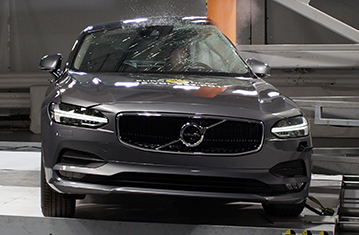
Volvo gets the full five stars as Ford fails miserably with just the two Euro Ncap Stars.

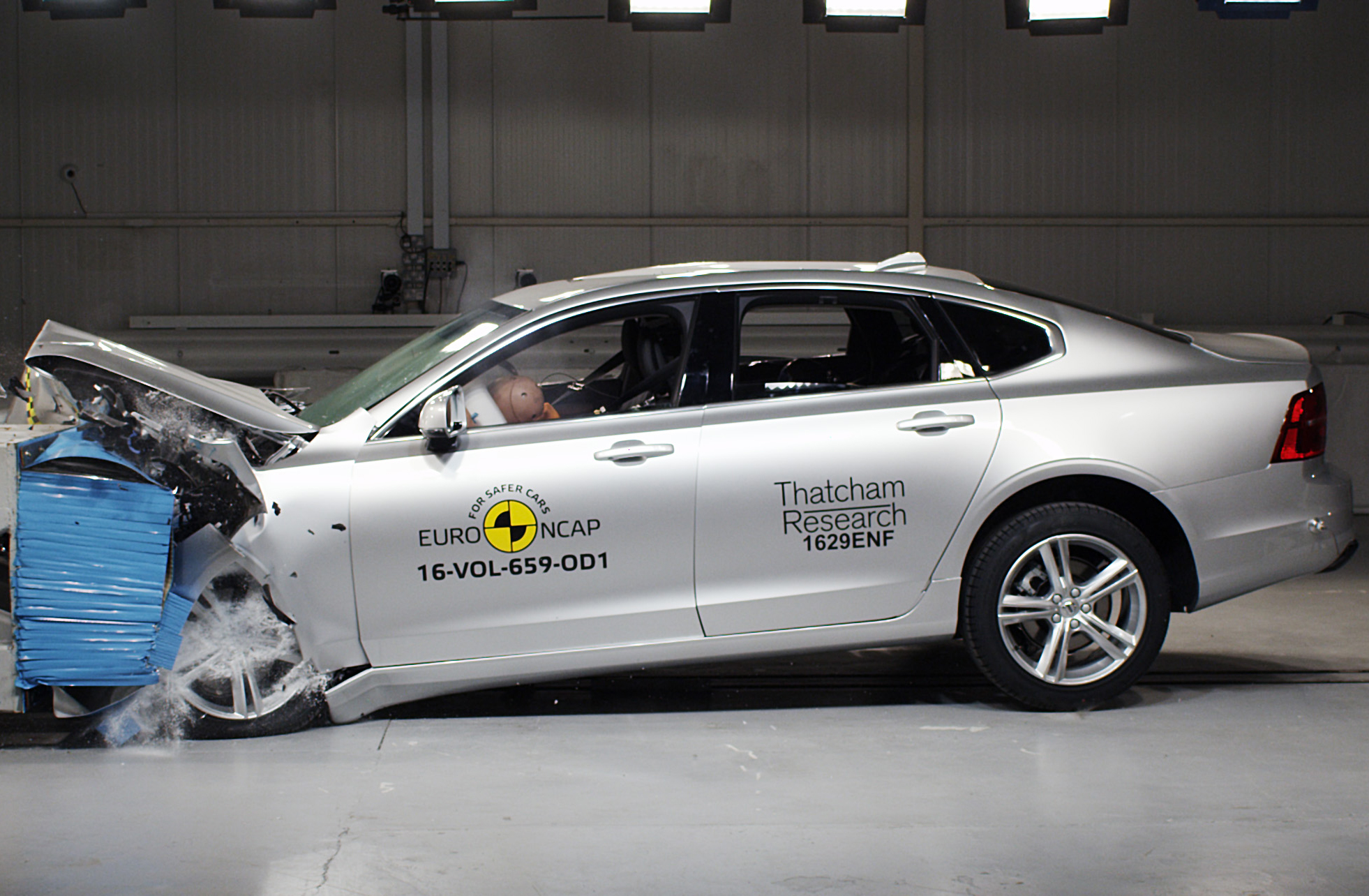
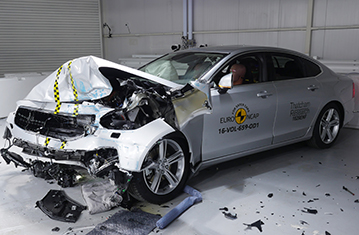
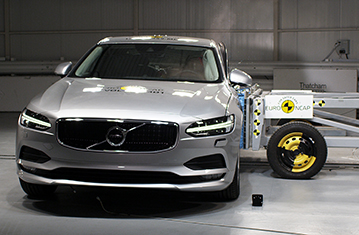
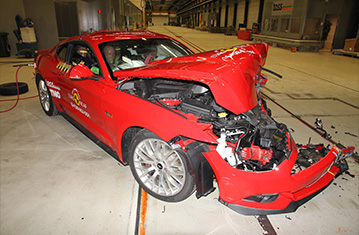
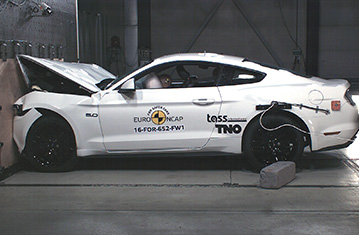
Today, Euro NCAP releases safety ratings for three cars: the Volvo S90 saloon and the V90 estate both achieve the maximum of five stars, while Ford’s Mustang scores two.

Launched last year, the S90 and V90 are the latest additions to the Volvo Cars line-up and the first cars to be tested against Euro NCAP’s 2017 test regime. 

Both models take advantage of the many advanced technologies of the XC90 and made a big impression in all areas of Euro NCAP’s assessment. Standard-fit autonomous emergency braking for cars and pedestrians performed outstandingly well in Euro NCAP’s tests and the vehicles also offer lane and speed assistance.

The S90 and V90 results surpass the best overall score of any model tested last year and now make Euro NCAP’s top-3 best performing cars ever, all Volvo. 

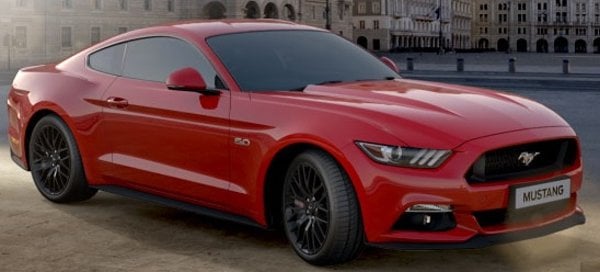
In contrast, Ford’s iconic muscle-car, the Mustang, has scored a two-star rating for overall safety, with concerns about its crash protection of adult and child occupants and a worrying lack of safety equipment commonly available on the European market. The results reveal the American “DNA” of the Mustang that is designed to score well in the less wide-ranging US consumer tests. The European variant has seen only those minor updates required to meet European (pedestrian) safety regulation and the Forward Collision Warning system was removed when it was introduced here.
In the frontal offset test, the airbags of both the driver and passenger inflated insufficiently to properly restrain the occupants. In the full-width frontal test, a lack of rear seatbelt pre-tensioners and load-limiters meant that the rear passenger slid under the seatbelt, implying higher risk at abdominal injuries in real life accidents. In the side impact crash, the head of the 10-year dummy contacted the interior trim bottoming out the curtain airbag

Monday, 30 January 2017

OH DEAR - Ford have been awarded ONLY 2 stars in the latest round of EURO NCAP Tests on the Mustang.

Thatcham Research, the independent automotive research centre, and voice of Euro NCAP in the UK, says that the Ford Mustang bucks the positive trend towards safer cars by not offering similar levels of safety in the UK as in the United States, and advises that there are safer choices as a result of the Two Star Euro NCAP rating it received today.

“We have not given a Two Star Euro NCAP rating to any of the top 10 car brands since 2008”, comments Matthew Avery, Director of Research at Thatcham Research. 
“This really bucks the trend. Car buyers are increasingly benefitting from improved safety functionality and features, and this applies equally to cars in the sports roadster category as to family cars. We have concerns about the Ford Mustang’s crash protection of adults and children which also makes it unsuitable for having rear passengers. On top this, it does not have basic life-saving technology like Autonomous Emergency Braking (AEB) that is available even on the Ford Fiesta, and the recently launched Ford Edge.
“What really concerns me,” continues Avery, “is that Ford has made a deliberate choice. The car has been designed to score well in less wide-ranging US consumer safety tests and only minor updates have been made to meet required European (pedestrian) safety regulations. This has resulted in poor adult and child protection scores and the high-tech radar collision warning system that is available to US consumers, not being available here in the UK. The Two Star Euro NCAP rating is the consequence.”
In the frontal offset test, the airbags of both the driver and passenger inflated insufficiently to properly restrain the occupants. In the full-width frontal test, a lack of rear seatbelt pre-tensioners and load-limiters meant that the rear passenger slid under the seatbelt, implying higher risk at abdominal injuries in real life accidents. In the side impact crash, the head of the 10-year dummy contacted the interior trim bottoming out the curtain airbag.
Ford say that a face-lifted Mustang will be available later this year with Pre-Collision Assist and Lane Keep Assist as standard. Euro NCAP expects to test the safety of this updated model when it is available on the European market.
Other sports roadster cars rated by Euro NCAP over the past few years include the Audi TT, BMW Z4 and Mazda MX-5.
In contrast, the VOLVO S90 and V90 receive Five Star Euro NCAP ratings today as a result of their class leading safety. Both cars follow the trend set with the XC90, with excellent occupant protection, and a full suite of AEB functionality that includes pedestrian and cyclist crash prevention technology as well as its unique AEB system that is capable of identifying large animals. The S90 and V90 results surpass the best overall score of any model tested in 2016, with Euro NCAP’s top-3 best performing cars ever, all now being Volvos.
“Despite being at a different price point to the Volvo XC90, the Volvo S90 and V90 have the same levels of safety as the XC90. It does make you wonder if anything rubbed off on Ford from the VOLVO/Ford partnership,” concludes Avery.
Thatcham Research is the independent voice of automotive safety & repair, advising motorists, insurers and vehicle manufacturers to help reduce accident frequency, severity and costs and to realise the vision of ‘Safer cars, fewer crashes’.
As well as its world leading crash and track research, Thatcham Research tests and accredits crash repair parts, vehicle repair technicians, and a number of other products and services within the collision repair industry for insurers, motor manufacturers, equipment manufacturers and suppliers.
A founder member of the international Research Council for Automobile Repairs (RCAR), Thatcham Research has also been a member of the European New Car Assessment Programme (Euro NCAP) since 2004.

Thursday, 15 December 2016

Top ten safest new cars of 2017: What Car? Safety Award long list announced

  • Top ten safest new cars of 2017: What Car? Safety Award long list announced
Thatcham Research announces the safest new cars of 2017, and long list of finalists for the What Car? Safety Award, as the independent research centre powers the award for the third year running, as part of its “safer cars, fewer crashes” mission.
This year’s tests have shown that there is more choice than ever in choosing a safe car. As manufacturers continue to raise the safety bar, the UK public are safer on UK roads than ever before.
The list of ten cars taken from the 2016 Euro NCAP ratings, all meet the strict criteria for the award, which includes track-based testing of collision avoidance systems and achieving a top marks in crash tests – all part of the 5 star rating system.

Safety technology fitted to the vehicle must include; AEB (Autonomous Emergency Braking) fitted as standard and some form of Safety Assist technology beyond NCAP assessment such as lane keeping systems. The cars are then judged on market relevance and value for money. 
All 2017 long list finalists also feature Pedestrian, low speed City and high speed Inter-Urban AEB as standard. A major step forward in safety for mainstream vehicles and in manufacturer commitment to safety, as Euro NCAP testing for pedestrian AEB was only introduced in January 2016.
The 2017 long list includes:
  • Alfa Romeo Giulia
  • Audi Q2
  • Ford Edge
  • Hyundai Ioniq
  • Mercedes-Benz E-Class
  • Peugeot 3008
  • Renault Scenic
  • Seat Ateca
  • Toyota Prius
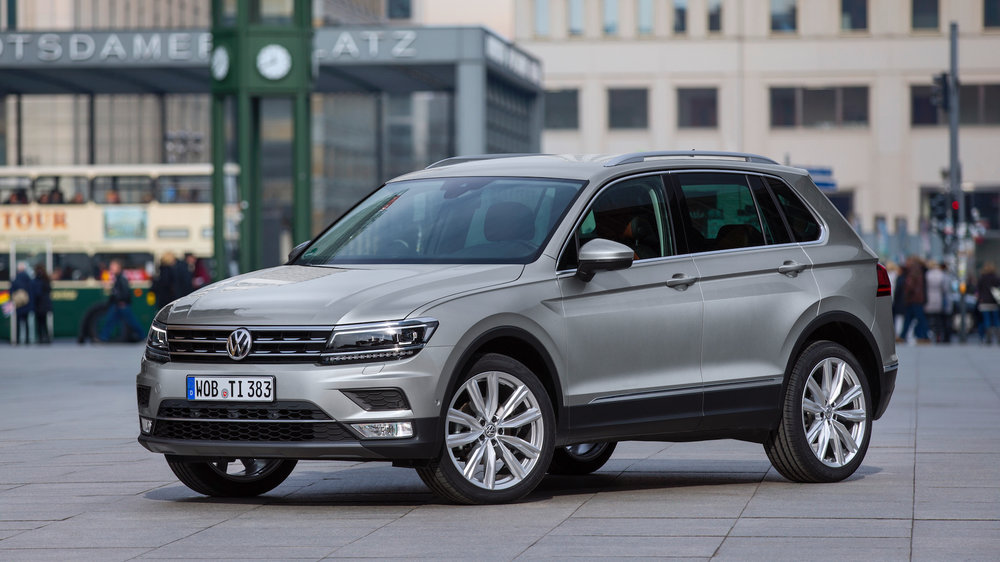
  • VW Tiguan
All vehicles included in the long list are remarkably similar in terms of specification and purchase price, with the Mercedes- Benz E-Class being the only more-expensive executive vehicle of the list. Thatcham Research is committed to driving the adoption of safer cars at all price points, not just higher list price vehicles. The 2016 commended vehicle, the Honda Jazz, was highly praised as the first supermini to offer AEB as standard across all trim lines, at an accessible purchase price.
The long list also includes vehicles which feature innovations which go above and beyond the current Euro NCAP testing, and offer major safety benefits:
  • Lane Departure Warning is fitted on most of the top ten as standard, however most manufacturers also offer Lane Keep Assist systems to actively steer you back into lane
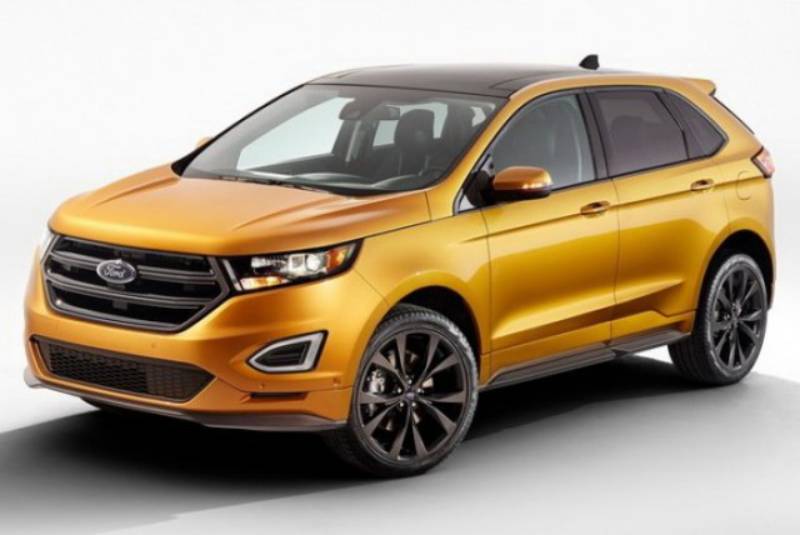
  • For the first time, Ford have fitted AEB as standard across all trims of a new model – the Ford Edge
  • The Peugeot 3008 features Intelligent Speed Adaption system on all trims, as standard. The Speed Limit Recognition and Recommendation system uses a windscreen mounted camera to detect and display the speed limit for the road on which the driver is travelling. In addition to making the driver aware of the speed limit, there is also the option to limit the vehicle to the posted speed limit, taking the stress out of long motorway roadworks
  • The Mercedes-Benz E-Class features a unique and highly innovative Junction Assistant system that can prevent side crashes at T-Junctions and intersections
  • The Toyota Prius offers Reverse AEB. With 25% of all crashes from parking, this is a system that can save your wallet as well as deaths to small children unseen behind the vehicle whilst manoeuvring
Vehicle segments continue to evolve with two hybrids in the top ten showing the growing popularity of alternative fuel vehicles.The presence of four small SUV’s on the list, also demonstrate the growing market share of cross-overs, and 50 per cent of vehicles in the list, could be described as family wagons.
Thatcham Research Chief Executive, Peter Shaw, said; “These ten vehicles represent some of the safest cars on sale in the UK today, and we are delighted to see that by raising awareness of the important issues surrounding vehicle safety, manufacturers are starting to rise to our challenge of fitting safety as standard across all models, regardless of segment or price.”
Steve Huntingford, editor What Car? says: "Safety is a key consideration for new car buyers, particularly when the car they're choosing is going to be used as family transport. At What Car? we feel it's important to reflect that by presenting a standalone Safety Award, and having Thatcham Research on the judging panel gives that award a unique credibility. Nobody has more experience in this field."
The overall Euro NCAP scores are however lower than last year, driven by tougher tests and the more mainstream nature of the vehicles involved. 2016’s winner, the Volvo XC90 achieved one of the highest scores ever seen in the history of the Euro NCAP test schemes history.
Last years winner, the Volvo XC90 was revealed as the safest car on sale in the UK, with the Honda Jazz and Toyota Avensis commended as runners up.
To see what the judges are looking for, and why the XC90 won last year, go to:
The winner of the What Car? Safety Award 2017 will be announced on 11 January 2017.
Thatcham Research is the independent voice of automotive safety & repair, advising motorists, insurers and vehicle manufacturers to help reduce accident frequency, severity and costs and to realise the vision of ‘Safer cars, fewer crashes’.
As well as its world leading crash and track research, Thatcham Research tests and accredits crash repair parts, vehicle repair technicians, and a number of other products and services within the collision repair industry for insurers, motor manufacturers, equipment manufacturers and suppliers.
A founder member of the international Research Council for Automobile Repairs (RCAR), Thatcham Research has also been a member of the European New Car Assessment Programme (Euro NCAP) since 2004.

Tuesday, 26 July 2016

Co-op Insurance presents its first ‘Safe Used Car’ award to the Volvo V40, the safest car in the segment.

  • Co-op Insurance presents its first ‘Safe Used Car’ award to the Volvo V40
  • UK’s first car safety award that focuses on the used car market
  • V40 achieved the highest ever scores in its Euro NCAP crash test
The Volvo V40 has been presented with the ‘Co-op Safe Used Car 2016’ award. The inaugural Co-op Insurance award celebrates the safest used cars typically bought by families in the UK.
Working in collaboration with safety experts Thatcham Research, Co-op Insurance awarded the trophy to the Volvo V40 with Driver Support Pack, which beat strong competition from the Volkswagen Golf and Nissan Qashqai to claim the title.

In order to be in the running for the award – which is the first to recognise safety in the UK used car market – all the cars had to have a five-star Euro NCAP crash test rating, CO2 emissions of 120 g/km or lower and be available to buy on the second-hand market for £15,000 or less. The cars were then evaluated further on their crash worthiness, which included ratings for adult, child and pedestrian protection, and the availability of Autonomous Emergency Braking (AEB).
The Volvo V40 received the top rating of five stars in its Euro NCAP crash test in 2012, and its overall scores are still the highest ever recorded by the safety assessment institute.
The V40 was one of the first cars to have AEB as standard. The system, known as City Safety, works at speeds of up to 31 mph and will automatically apply the brakes if it senses an impending crash to avoid the collision entirely or lessen its severity. The V40 was also the first car in the world to come with an airbag to help protect pedestrians in an accident.
The optional Driver Support Pack for the V40 provides class-leading safety technology, including Pedestrian and Cyclist Detection, Adaptive Cruise Control, Lane Keeping Aid, Blind Spot Information System with Cross Traffic Alert, Road Sign Information, and Collision Warning with Full Auto Brake, which is capable of working at all speeds.1
James Hillon, Director of Products at Co-op Insurance, said: “At the Co-op, we are keen to help educate people not only about car safety, but about what they should be thinking about before they even set foot on a car forecourt.
“The Volvo V40 was awarded the accolade because it is a perfect example of a reasonably priced car that has a large number of safety features as standard, even on older models. It has a five-star Euro NCAP rating and provides good protection in a crash for the driver and front passenger, as well as children. Where it really shines, though, is in the standard of collision-avoidance technology available.”
Bruce Greenwood, Used Car Programme Manager for Volvo Car UK, said: “With renowned Volvo safety, quality and dependability, as well as the peace of mind you get when buying through the Volvo Selekt Approved Used Car programme, the Volvo V40 is an outstanding used family car choice.
“Volvo is committed to protecting drivers, passengers and pedestrians, and we are thrilled that the V40 has been recognised by Co-op Insurance as the first ever ‘Co-op Safe Used Car’.”