My thoughts on all things motoring, press releases, reviews & techie stuff, from around the world.
Please note that the pictures of vehicles within this blog are used as examples of the specific press releases, on occasions, due to the lack of available official pictures, examples are re-produced.
ANY AND ALL PROFANITIES WILL BE REMOVED AND THE PERSON/S RESPONSIBLE WILL BE BANNED, NO EXCEPTIONS.
Purpose
I will try my best to provide detailed info on various cars and what is like to live with them, I have already produced a few for Jaguar-car-forums, I will do my best to be unbiased, but it will be hard for some cars. I will re-produce press releases and copy from other motoring news.
Smartphone integration through R 4.0 IntelliLink and NAVI 900 IntelliLink
“Guardian angel” with the Vauxhall OnStar personal connectivity and service assistant
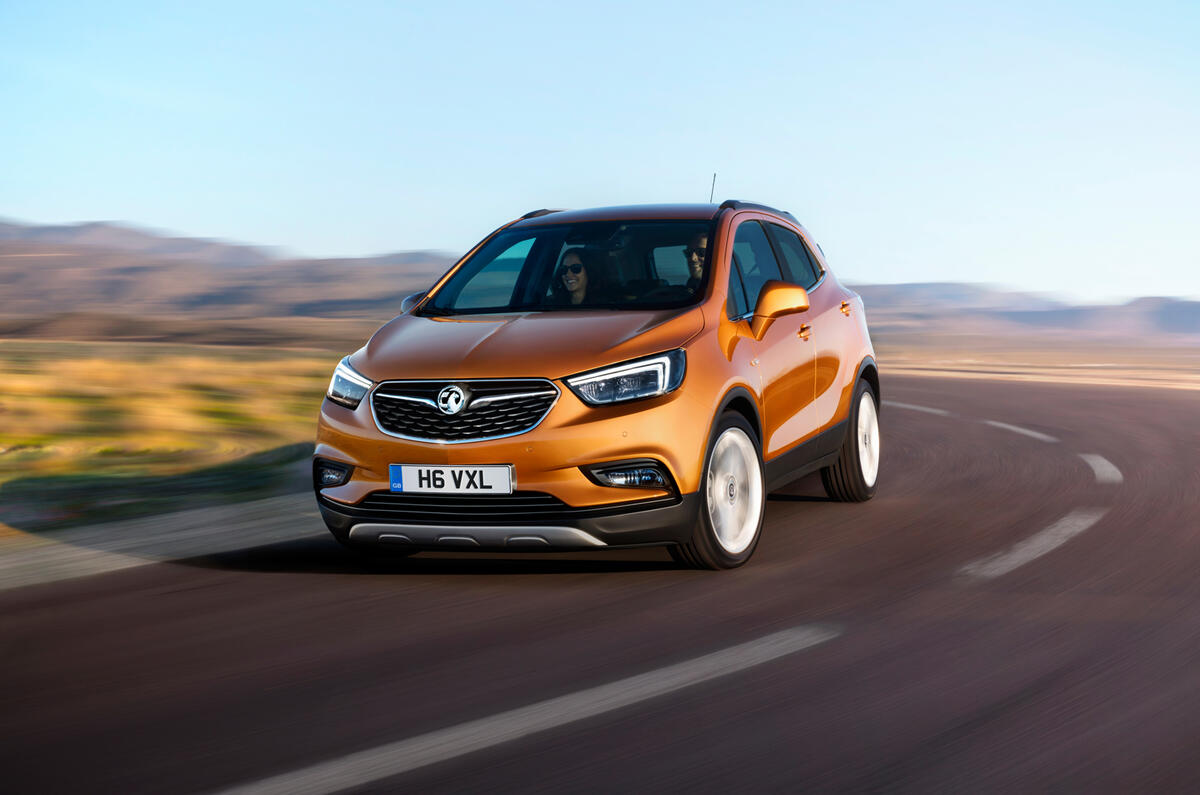
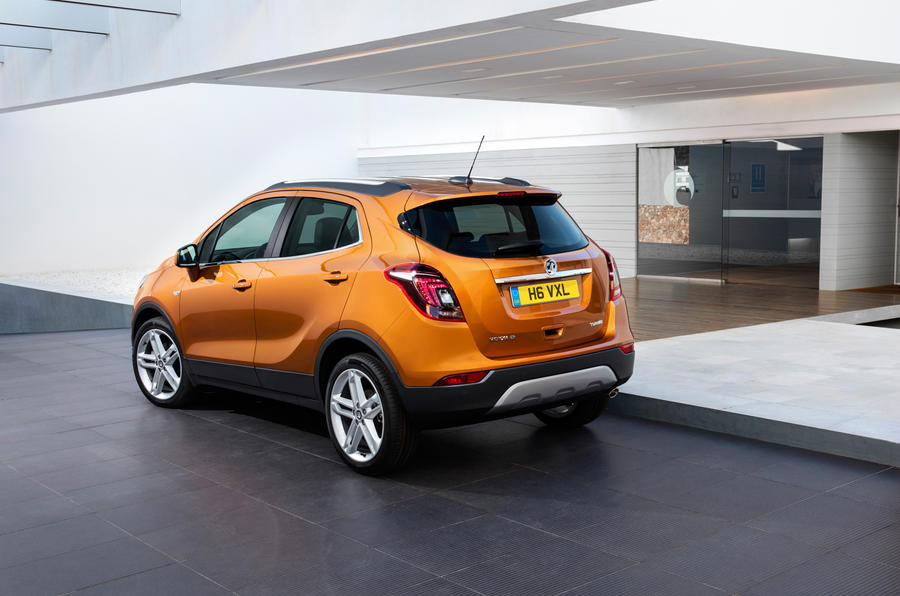
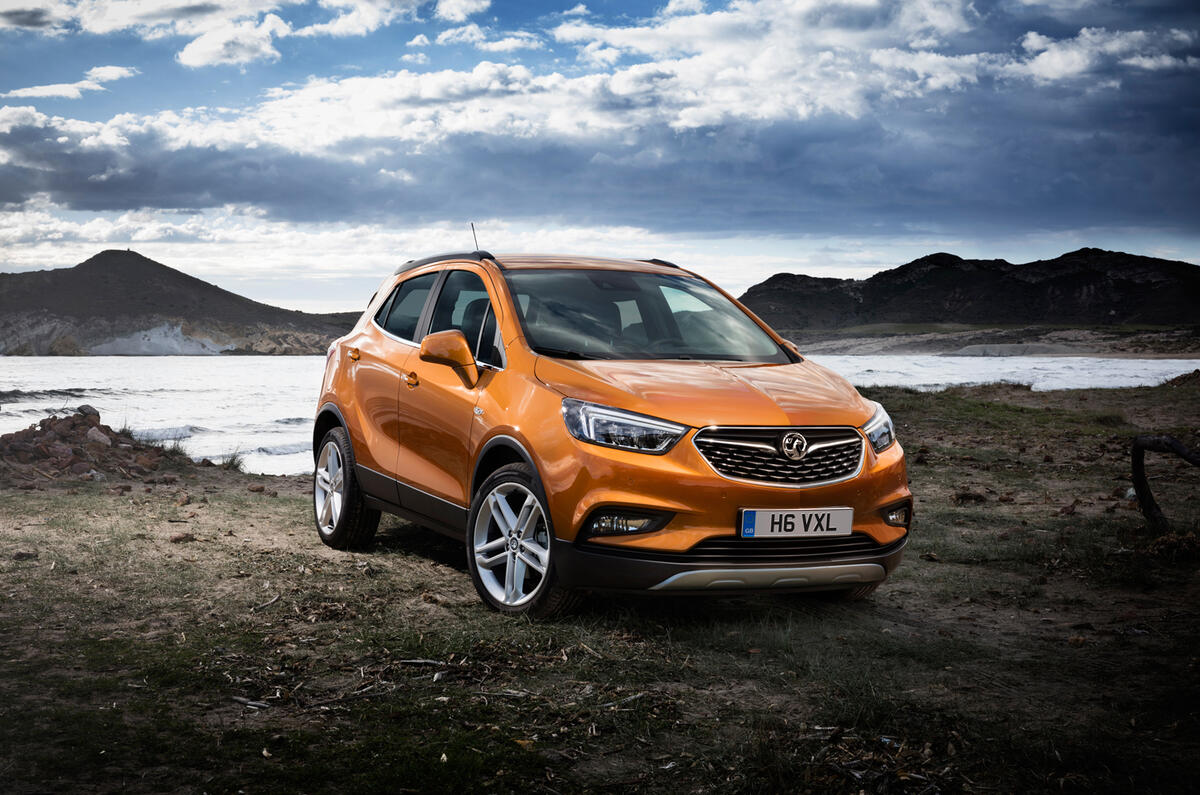
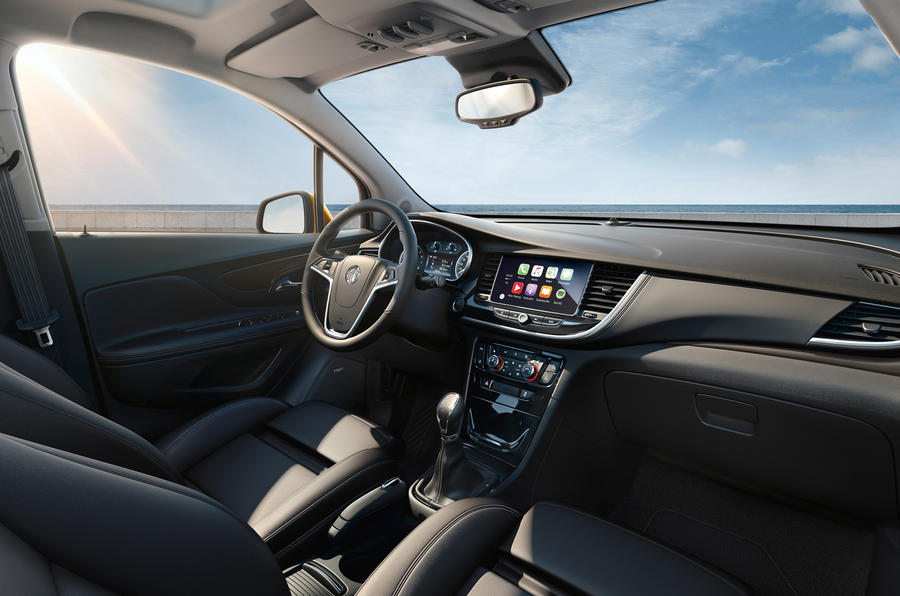
Vauxhall is offering state-of-the-art new infotainment and connectivity in its new Mokka X SUV including IntelliLink and the personal connectivity and mobility assistant, OnStar.
R 4.0 IntelliLink and NAVI 900
Vauxhall’s latest generation IntelliLink infotainment software gives owners a simple way to bring the world of smartphones and apps into their Mokka X. NAVI 900 IntelliLink is standard on Design Nav and Elite Nav models, or as an option for £700, while R 4.0 IntelliLink is standard on Active and Elite models.
The Mokka X with R 4.0 IntelliLink features a seven-inch touchscreen as well as USB and Bluetooth connectivity for hands-free phone calls, audio streaming and viewing photos and videos. Like NAVI 900 IntelliLink, it is also compatible with Apple CarPlay and Android Auto.
By using Android Auto, customers can access Google Maps, Google Now and can talk to Google. The ecosystem of audio and messaging apps is constantly growing, and currently includes WhatsApp, Skype, Google Play Music, Spotify, and podcast players. A full list of supported apps is available at https://support.google.com/androidauto/
Apple CarPlay enables drivers to make calls, send and receive messages and listen to music through the touchscreen or by voice via Siri. Apple CarPlay supported apps include Phone, Messages, Maps, Music and a number of compatible third party apps. A full list of apps can be found at apple.com/ios/carplay
By using the “Projection” icon on the infotainment touch-screen, drivers can simply select their preferred application when a compatible phone is connected via USB, making IntelliLink easy to use. Android Auto requires a phone running Android Lollipop 5.0 operating system or above, while Apple CarPlay requires an iPhone 5 or later (click here for a list of compatible phones http://www.vauxhall.co.uk/owners_services/help-and-advice/compatibility.html).
Navi 900 IntelliLink is for customers who prefer an integrated navigation system, where the display and operation are via the eight-inch colour touchscreen. IntelliLink enables audio streaming, voice control and audio SMS messages, as well as watching videos when the car is stationary. The navigation system also features maps of more than 30 European countries, can be displayed two or three-dimensionally and controlled via voice command. Up to 60 radio stations, destinations, contacts, telephone numbers or playlists can be saved as “Favourites”.
Peace of mind for Mokka X drivers with OnStar
With the personal connectivity and service assistant OnStar, Mokka X owners get a “guardian angel” at their side – 24/7, 365 days a year. Standard across the Mokka X range, OnStar automatically reacts in an emergency, alerting an OnStar advisor if the airbags are deployed in an accident.
Automatic crash response (ACR) is one of the many innovative features of OnStar, which makes driving more convenient and ensures best connectivity. In addition to ACR, the unique service, with friendly advisors instead of a recorded message, remotely unlocks doors, downloads destinations directly to the vehicle’s navigation system, sends emails on vehicle health and offers a 4G/LTE Wi-Fi hotspot.
The most popular OnStar service is the myVauxhall smartphone app, which enables remote locking/unlocking of doors, online vehicle location and honking the vehicle’s horn and flashing its lights. Customers can also call up important data such as oil condition or tyre pressures, send destinations to the in-car navigation system and manage the car’s embedded Wi-Fi hotspot, which allows up to seven devices to connect in and around the vehicle.
Sleek Scandinavian design and intuitive technology to reinvent the car interior.
Volvo Car Group will use the Geneva Motor Show to reveal its new in-car control system, which is designed around a large tablet-like touch screen that will simplify and enhance the way drivers operate their cars.
The touch screen replaces the traditional selection of buttons and controls in the centre stack with one clean and sleek control panel. It will blend established tablet functionality, such as swiping and pinching, with new solutions that are specially designed for the in-car environment. It also interacts with the digital instrument cluster in front of the driver.
“The basic idea is to organise controls and information in a perfectly intuitive and user-friendly way. Everything is exactly where you expect it to be, making the drive more enjoyable, efficient, and safe,” says Thomas Ingenlath, Senior Vice President Design at Volvo Car Group.
This ground-breaking driver experience will be introduced in the next car generation, starting with the all-new Volvo XC90 later in 2014.
“The new user interface is designed to create a smooth, logical and safe interaction between the driver and the car,” says Thomas Ingenlath. “This goes far beyond just putting a large tablet in the centre of the dashboard. We have created a digital environment that is fully integrated in the car.”
Logical stack of four ‘tiles’
The layout on the portrait screen can be described as a stack of flexible ‘tiles’, each displaying a key functionality. Navigation is on the top, followed by media and telephone.
A thin notification band is located above the tiles, while the digital climate controls become the ‘foundation’ of the pile.
“Information, navigation and media are high up and easy to keep an eye on. The phone controls, application icons and climate controls are located low, comfortable to reach and touch. Using the screen is so logical that it will be part of your muscle memory very quickly,” explains Thomas Ingenlath.
The smooth user interface also includes thumb-reach controls on the steering wheel and extensive voice-control possibilities.
Digital solution
The new user interface is designed so that the tiles on the touch screen expand on interaction. When one of the tiles expands to display required information, the others are compressed, still visible and instantly accessible.
“Having all functions present all the time makes the touch screen exceptionally user-friendly. The spacious layout also promotes smooth interaction without distraction,” says Thomas Ingenlath.
Crystal clear but calm
“Creating this crystal clear, yet calm, environment is a core part of our digital craftsmanship. It is fine for an ordinary tablet to fight for your full attention but a touch screen in a car is very different. Information must be clear and user-friendly, without turning up the visual volume so much that you risk losing focus on the road. This also makes it easier to make really urgent information, such as a warning, much more distinctive,” concludes Thomas Ingenlath.
Audi has applied its world-renowned flair for technological innovation to the development of a new portable tablet that could open up a wealth of new possibilities for networking between the car, its driver and the Internet.
Shown in prototype form at this month’s Consumer Electronics Show in Las Vegas, USA, the Audi Smart Display slickly combines the latest technology from the consumer electronics world with the robustness and reliability of a component designed specifically for automotive use. With a 10.2-inch full-HD display encased in brushed aluminium, the portable tablet can facilitate access to, and operation of, the car’s infotainment system, but its capabilities also extend far beyond this.
Through a secure and stable WLAN interface, and via the very familiar Android operating system, the Smart Display can connect seamlessly with the car and enrich it with the state-of-the-art computing and graphics power of its Nvidia Tegra 40 processor.
Passengers in the front or rear seats can use the touchscreen to control the radio, media and navigation systems, and also call up data on the car’s operating status. Equally importantly they can also enjoy access to the Internet at optimal Long Term Evolution (LTE) speeds – which significantly outpace more familiar broadband connections - via the Audi connect system.
Via the Smart Display passengers have access to more than 950,000 apps plus movies, music, audio books and eBooks through Google Play, the Android app store.
The unit’s internal storage serves as an audio and video jukebox, but the Audi Smart Display can also receive video from the MMI navigation plus system. One notable advantage of its portability is that a film that could not be watched in full on a particular journey can be resumed back at home in the living room at the exact point where it was paused in the car.
The Smart Display uses the Audi sound system to play back sound in perfect quality. External headphones can also be connected via Bluetooth or a standard headphone jack. The Smart Display also supports NFC (near field communication) technology, making it particularly easy to connect to Bluetooth headphones and mobile devices in general. Thanks to its integrated camera the Smart Display can also be used for Skype video calls.
The Audi Smart Display was systematically developed for use in cars – it can easily withstand extremes of temperature and its robust hardware makes it crash-proof – but it also means that for the first time the innovative technology that is synonymous with the Vorsprung durch Technik brand can now touch many other areas of life.
Collaboration with Intel enhances Jaguar Land Rover’s research into future vehicle infotainment
Jaguar Land Rover to further strengthen its technology focus with new R&D centre in Portland, Oregon
The new centre has been located to enhance collaboration on research and product development with Intel and other leading IT businesses
Jaguar Land Rover will enhance its research and product development on future vehicle infotainment technologies through a new collaboration with Intel and the opening of a new Technology R&D centre in Portland, Oregon.
Jaguar Land Rover’s new research facility on the West Coast will help lead the development of future vehicle infotainment systems and will be responsible for collaborative work with a number of technology partners. The location of the centre has been chosen for its proximity to the technology industry hubs in Silicon Valley and Seattle, where Jaguar Land Rover has been developing collaborative partnerships with the world’s leading IT businesses and creative and technical talent.
Jaguar Land Rover and Intel have already begun work on multiple levels across engineering, research and marketing as Jaguar Land Rover progresses its ambitions to deliver the best in-car infotainment experience. The close proximity of Jaguar Land Rover’s new research facility to Intel Labs is enabling a collaborative relationship on research projects. Multiple programs are underway to explore and develop next-generation digital vehicle prototypes with in-vehicle cockpit experiences that connect car, device and cloud. The insights gained from the research programs along with alignment on engineering efforts will speed development on new innovative in-vehicle experiences.
Dr Wolfgang Ziebart, Jaguar Land Rover Engineering Director, said: “Our aim is to innovate and develop the ultimate user experience for our customers and by taking a collaborative approach with both technology start-ups and large organisations such as Intel, we will push the boundaries of future infotainment technology.
“Working with Intel will help both partners define and develop platforms and systems appropriate for premium global brands like Jaguar and Land Rover. This will ultimately develop unique and innovative technologies that will continue to drive the appeal of our products. Our research and the partnerships we are developing in the US will help us ensure our new products remain innovative and globally competitive.”
Elliot Garbus, vice president and general manager, Automotive Solutions Division, Intel Corporation, said: “Consumers expect their in-vehicle experiences to be an integrated part of their digitally connected lifestyle; this requires enhanced levels of connectivity and intelligence in the car. As part of our work with Jaguar Land Rover, we are exploring innovative ways to inform, entertain and assist drivers and passengers in a safe way; speeding development of unique experiences from the car to the cloud. Our goal is to accelerate opportunities for new types of in-vehicle services and applications in the Internet of Things.”
Creating the new technology centre in Portland and the collaborative partnerships it supports will accelerate the creation of the next generation of in-car technologies, features and software for future Jaguar and Land Rover models. The Portland facility will be Jaguar Land Rover’s first dedicated software R&D operation and will lead the optimisation for automotive applications of a range of new advanced technologies that are currently being developed on the West Coast.
The new ‘Open Software Technology Centre’ in Portland, which will open in 2014, will complement the established Jaguar Land Rover infotainment team based at the company’s product creation facility in Gaydon, UK. It will employ a team of around 30 infotainment specialists, including 16 highly experienced software engineers. Facilities will include a multimedia creative suite, innovation spaces, development laboratory and a six-bay vehicle workshop.
In the future, the Portland technology centre will also complement the long-term research projects that will be undertaken by the Jaguar Land Rover R&D team at the National Automotive Innovation Campus (NAIC) at the University of Warwick when it opens in 2016. These research projects include electrification, smart & connected cars and Human Machine Interface.
Jaguar announces next-generation lightweight technologies in the form of an all-new advanced aluminium monocoque architecture
It is lightweight, extremely stiff and incorporates innovative technologies that emphasise Jaguar’s commitment to sustainability
This advanced lightweight architecture will form the basis for a new range of future Jaguars; the first product will be a mid-size premium C/D segment sedan on sale in 2015
This will be the first aluminium monocoque product in the segment and is set to be the most advanced, efficient and refined sports sedan in its class
Power will be provided by a range of engines including the new family of high-output, fuel-efficient petrol and diesel engines to be built at Jaguar Land Rover’s new UK engine manufacturing facility
These will enable Jaguar to offer vehicles with class-leading performance, including top speeds of over 300km/h (186mph), and emissions lower than 100g of CO2 per km
Looking to the future, the C-X17 concept is a study to demonstrate the capabilities of the new advanced aluminium monocoque architecture
It blends the sleek design and sporting performance that are hallmarks of Jaguar, with the crossover benefits of an assured driving position and high levels of flexibility
The C-X17 also showcases advanced interior technologies including Interactive Surface Console – a multi-screen infotainment network that links passengers with each other and the outside world through social media channels
Jaguar’s first ever sports crossover concept vehicle – the C-X17 – makes its debut at the 2013 Frankfurt Motor Show.
The C-X17 has been created as a design study to introduce Jaguar’s all-new advanced aluminium monocoque architecture, codenamed iQ[Al], on which an exciting range of future Jaguars will be built. This new philosophy underpins the entire innovative future of the Jaguar brand. A modular and scalable vehicle architecture, engineered and developed for Jaguar, the architecture is high-strength, lightweight, extremely stiff and incorporates innovative efficiency technologies. It enables flexible high-volume production while allowing creative design freedom and competitive interior packaging, without compromising the unique character, dynamics, performance and luxury that Jaguar is famous for. This will enable Jaguar to grow its product portfolio, targeting high-growth areas of the premium market.
As a sports crossover, the Jaguar C-X17 stretches the design possibilities of the segment by combining the character and driving experience of a sports car with increased presence, style and flexibility. The sports crossover concept represents the potential expansion of Jaguar’s portfolio of body styles, with the associated enhancement of the brand’s relevance and appeal to a wider global audience.
“The C-X17 sports crossover represents an exciting new direction for Jaguar. Its purpose is to highlight our all-new aluminium architecture. With this technical foundation, we will dramatically expand Jaguar's product offering, market potential and customer appeal. This new philosophy will bring technology from our luxury products into an accessible price segment, and when combined with our new ultra-efficient engines, we will set a global standard. Add to these rational values, the class-leading dynamics, and the beauty and purity of form that Jaguar is renowned for, and we have the formula for a monumental leap forward.”
Adrian Hallmark, Global Brand Director, Jaguar
Jaguar’s first product from the new iQ[Al] architecture will be a new premium C/D segment sedan. Its global rollout will begin in 2015, and it will be the first aluminium monocoque product in the segment.
Power will be provided by engines with a wide range of capacities and output, all delivering inspirational performance and offering the latest innovations in fuel-efficient technologies without sacrificing drivability. These will include the high-output petrol and diesel engines to be built at Jaguar Land Rover’s new engine manufacturing facility in the UK, as well as the powerful V6 petrol engine in the F-TYPE, which will provide best-in-class specific power output thanks to the lightweight architecture. These attributes will enable Jaguar to offer a wider variety of vehicles, with exhilarating performance, top speeds of over 300km/h (186mph), as well as emissions below 100g of CO2 per kilometre.
The C-X17 concept illustrates the diversity of vehicles that could be produced using the architecture. A four-seater sports crossover concept built on the aluminium-intensive architecture, it blends sleek lines, sporting design and luxurious sophistication with enhanced flexibility and an assured driving position. In its exciting proportions, purity of form and its beautiful lines – overseen by Director of Design Ian Callum – the C-X17 is every inch a Jaguar.
The C-X17 could offer refined on-road dynamics and sedan car-like handling, thanks to its low height, optimised centre of gravity, and use of cutting-edge dynamic technologies such as Torque Vectoring by Braking, in which the car intelligently uses its brake system to balance the distribution of engine torque to the wheels during cornering, reducing understeer and maximising grip.
“We designed the C-X17 from the ground up from a distinct set of principles, a deep sense of what makes a Jaguar: exciting proportions, clean lines, balance of form. Assertive and powerful, yet with a beautiful sensuality about it, the C-X17 is boldly, distinctively Jaguar.”
Ian Callum, Design Director, Jaguar
At 4,718mm long and 1,649mm tall, its dimensions are clearly that of a crossover, yet in its design it shares strong family traits with Jaguar’s current range. For instance, the grille is an evolution of the distinctive nose of the Jaguar XJ luxury sedan, while the sculptured haunch lines hint strongly of the award-winning design of the Jaguar F-TYPE sports car. A low-sitting stance and overall profile combine with 23-inch alloy wheels to give the C-X17 a sporting, aggressive presence, while the LED headlamps, J-shaped running lights and frosted-glass foglights set into the large front intakes add to the C-X17’s purposeful intent. The C-X17 is painted in a lustrous Caesium Blue finish, with gloss black brightwork surrounding the windows, while the split five-spoke alloys are Dark Atlas graphite with gloss black finishers.
The interior of the C-X17 features four individual bucket seats, which are luxuriously appointed, yet designed for a sculpted, lightweight appearance. The car’s unique roof features contoured vanes that provide a distinctive ‘elliptical’ panoramic view to the C-X17’s passengers, while retaining the roof’s sleek appearance from the exterior. Two additional rear-mounted leisure seats incorporated in the boot floor swing out for recreational use. Accessories that support an active lifestyle, such as a torch and a camera, are positioned in storage compartments in the boot.
The interior of the C-X17 marries premium, authentic materials and traditional craftsmanship with modern finishing techniques. It features a combination of Jet saddle Connolly leather and Orchid Connolly leather on the instrument panel, seats, armrests, doors, floor and in the boot, with stitching on the saddle leather creating a tactile feel. A subtle layered effect is created through the use of die-cut Houndstooth-pattern leather patches on the main leather panels. Ruthenium, milled aluminium and black brushed anodised metal finishes impart a darker tonal effect to the C-X17’s interior. The door finish is gloss black.
A centre tunnel running the length of the car, from the instrument panel through to the rear passenger seats, incorporates the Interactive Surface Console – an interactive multi-passenger infotainment hub with a series of touchscreens under a continuous panel of transparent acrylic glass, which in conjunction with the secure in-car wi-fi network, enables the vehicle’s passengers to connect and share experiences with each other and the outside world via social media. The C-X17’s premium in-car digital audio system has been specially designed for the vehicle by British specialist audio firm Meridian, and the car’s centre console is configured for a Head Up Display projector.
ALL-NEW ALUMINIUM ARCHITECTURE: UNDERPINNING THE FUTURE
iQ[Al] is not just a vehicle architecture, it is a completely new philosophy that underpins the innovative future of the Jaguar brand, enabling Jaguar to significantly grow its product portfolio, targeting high-growth areas of the premium market in global markets.
The first Jaguar to be delivered from the new architecture will be a new C/D segment premium sedan, which will be rolled-out globally from 2015. The first aluminium monocoque product in its segment, the new sedan will be produced at an all-new, ultra high-tech production facility in Solihull, creating new jobs and substantial opportunities for the supplier base.
The aluminium-intensive architecture will be modular and scalable, providing a high degree of flexibility and making it possible to produce a wider bandwidth of models and derivatives than ever before. It is lightweight, extremely stiff and incorporates innovative technologies that emphasises Jaguar’s commitment to sustainability, such as a new high-strength alloy made from almost 100% recycled raw material.
The architecture is being carefully developed to fully incorporate all the vehicle attributes established by Jaguar engineers. All products will perform like true Jaguars, the flexibility and scope of the architecture guaranteeing the individual character of each one. Jaguar design and engineering teams collaborated closely on its development from the outset to ensure versatility of design combined with fully competitive interior packaging.
The flexibility that this architecture will provide, means Jaguar designers and engineers can apply the philosophy “anything we can imagine, we can create,” to deliver a new portfolio of products less restricted by technical or manufacturing constraints. The new architecture will allow Jaguar to move into higher volume production, without compromising the unique character, breath-taking design, outstanding vehicle dynamics, performance and luxury that Jaguar is famous for. The flexibility of the new architecture will enable the manufacture of different products on the same production line at the same time. The highly efficient, state-of-the-art production process will allow rapid response to variations in market demand for individual models by balancing production volume accordingly.
Powertrains
Future Jaguars will be powered by engines with a wide range of capacities and outputs, all delivering inspirational performance and offering the latest innovations in fuel-efficient technologies, without sacrificing drivability or feel. The new sedan will be the first vehicle to be equipped with all-new four-cylinder diesel and petrol engines, allowing Jaguar to break the 100g CO2/km barrier for the first time. These advanced, high-output engines will be built at Jaguar Land Rover’s new engine production facility, currently under construction in Wolverhampton in the UK as part of a £500 million investment, which will be operational from 2015.
These vehicles are also designed to be powered by the powerful V6 petrol engine seen in the Jaguar F-TYPE sports car, which, combined with the lightweight architecture, will bestow them with best-in-class specific power output as in the F-TYPE. Together, the family of engines will offer the best of both worlds and deliver all-encompassing capabilities: sporting performance and class-leading fuel efficiency and CO2 emissions.
C-X17 DYNAMICS: FLEET-FOOTED AND SURE-FOOTED
As a sports crossover, the C-X17 concept is positioned as a driver’s car. It has an on-road bias, and its low height, optimised centre of gravity and lightweight all-aluminium body endow it with superior, car-like driving dynamics and a level of agility that would make it quite at home on the fastest roads. The C-X17 also features cutting-edge dynamic technologies such as Torque Vectoring by Braking, a system which constantly monitors the vehicle’s cornering dynamics and, when required, intelligently uses the brake system to rebalance the distribution of engine torque to the wheels, in order to reduce understeer and maximise grip.
With its 213mm ground clearance and intelligent All-Wheel Drive, the C-X17 could also offer reassuring capability and enhanced grip on poor roads and in varying weather conditions. Jaguar’s intelligent All-Wheel Drive system continuously monitors grip levels and driver inputs and uses feed-forward torque distribution to both pre-empt and react to wheel-slip, providing greater driver confidence and vehicle stability in low-grip conditions. In normal grip conditions, the system predominantly delivers drive to the rear wheels, providing the dynamic driving experience all Jaguars are renowned for.
EXTERIOR DESIGN: BEAUTY OF PROPORTION
With a crossover being a new journey for Jaguar, Director of Design Ian Callum and his team were clear that the C-X17 would not compromise on the time-honoured values of Jaguar car design: purity of form, beauty of line and balance of proportion. Even as it subscribed to the practicalities expected of the crossover category, the C-X17 had to be stylish, sporty and exciting. It had to instantly stand out from the crowd, yet retain the sense of timeless sophistication that is typically Jaguar.
The C-X17 has dynamic yet perfectly balanced proportions, with the low profile and large wheels giving it a powerful, planted stance. In terms of form, it is sleek and fast, relying on pure lines rather than exaggeration or showmanship. The long bonnet’s twin ‘power bulges’ and prominent grille impart a muscular look. The headlamps hint at the C-X17's sedan siblings while the grille is inspired by the XJ, resulting in a distinctive family look that is reassuringly familiar yet uniquely appealing. The grille features a hexagonal pattern, with small aluminium panels within its structure that can close to enhance the vehicle’s aerodynamic properties.
The C-X17's twin ‘heartlines’ are clearly visible when viewed in profile. Two clean and simple design lines, with a subtle crease in the metal to catch the light, visually tie together the C-X17's shoulder and haunch. The accentuated length of the windows adds to the vehicle’s overall sense of sleekness.
The rear of the vehicle has a distinctive touch of sports car about it, with the haunch, taillights and detailing all bringing to mind the seductive Jaguar F-TYPE. The C-X17's roofline swoops quickly rearwards, culminating in a distinctive cantilevered spoiler over a steeply raked rear window that enhances the crossover's sporting, ‘fast-even-at-standstill’ appearance.
The exterior paint finish is a lustrous Caesium Blue, and the window liners are gloss black, with the only brightwork on the vehicle being the badging at each end, lending the car a darker, sportier look. The large 23-inch wheels, which enhance the C-X17’s solid stance, are a one-off design with five split spokes. They have a Dark Atlas graphite grey finish with gloss black finishers on the spokes.
INTERIOR DESIGN: CRAFTSMANSHIP AND TECHNOLOGY
“The C-X17's design is timeless, yet absolutely up-to-the-minute. Artisan treatment meets modern techniques in an innovative cabin full of luxurious touches and cutting-edge technical ideas.”
Julian Thomson, Director of Advanced Design, Jaguar
The interior of the C-X17 blends high-end interactive technology with premium, traditionally crafted materials, resulting in a spacious, airy, luxurious and sophisticated cabin.
The C-X17 seats four passengers in individual bucket seats. The seating position is relatively low for a crossover, giving the occupants a feeling of sitting deep within the cabin. The seats are lightweight units with a sculpted free-standing appearance, visually enhancing the airiness of the cabin.
The spacious boot incorporates two leisure seats that swing up and out of the boot floor for use when the car is stopped and the rear hatch opened. Solidly constructed from milled aluminium and finished in Connolly saddle leather, these seats swing outwards on a beautifully engineered hinge to provide a practical seating area when the car is stationary. Accessories that support an active lifestyle, such as a torch and a camera, are positioned in leather holsters, in storage compartments located in the boot.
Panoramic sculpted roof
The sense of openness inside the cabin is heightened by the C-X17’s unique panoramic roof. The designers of the C-X17 have constructed the interior of the roof from a series of sculpted vanes running from front to rear, closely arranged in parallel and integrated into the header and cant rails. They are contoured on the lower side to generate extra headroom, and shaped to create a ring of space that enables a whole-roof view of the sky above, giving the occupants a sense of openness. The topside of the vanes follows the smooth profile of the glass roof, maintaining the sleek exterior lines of the C-X17.
Premium two-tone leather trim
The interior of the C-X17 is a juxtaposition of premium traditional materials and modern finishing techniques. Designers drew inspiration from a variety of sources, from extruded aluminium lampshades and lattice-framed stools to premium leather shoes, jackets and handbags, which favoured strong colour contrasts.
Accordingly, the seats, instrument panel, floors, doors and boot are finished in an overlapping combination of Jet saddle leather and Orchid leather panels. Renowned British leather specialist Connolly, the benchmark name in premium automotive cabin craftsmanship, created the bespoke leather panels specially for the C-X17. The 3mm-thick saddle leather, which features bands of stitching to increase the passenger’s tactile experience of these surfaces, is die-cut in a Houndstooth pattern inspired by traditional tailoring materials, lending the interior of the car a classy yet contemporary feel.
The interior door finish is gloss black, while for the interior metal finishes, ruthenium (a member of the platinum family) is used instead of brightwork, creating a darker, more tonal effect that suits the subtle, premium feel of the cabin.
Multi-passenger interactivity
The C-X17 takes interactivity to a new level with the unique Interactive Surface Console that runs the length of the car’s centre tunnel, from the centre console of the dashboard through to the rear seats. Made up of a series of interconnecting touch screens encased in transparent acrylic glass, the Interactive Surface Console connects those in the rear cabin with the driver and front seat passengers via a secure in-car Wi-Fi network.
The Interactive Surface Console allows the vehicle occupants to upload pictures, video and sound files from their mobile devices and share them with their fellow passengers, as well as on Facebook, Twitter, Instagram and other social media channels. Using the touchscreens and an intuitive user interface, information can be ‘flicked’ forwards and rearwards between the front and the rear passengers. By enabling sharing, both in terms of technology and information, between the occupants of the C-X17, the Interactive Surface Console puts as much focus on the rear compartment as on the front and immerses all four passengers in a unified multisensory experience.
The C-X17 features a 12-loudspeaker system specifically developed for the vehicle by British ultra-premium audio experts Meridian. Designed closely in conjunction with the development of the C-X17’s interior, the system draws on Meridian’s award-winning digital sound processing technology. Trifield technology creates an all-enveloping sound field that makes each listener feel that the music is exclusively focused on him or her. With sub-woofer drive units in the rear centre tunnel, dashboard-mounted tweeters, speakers in the A and B pillars, twin door speakers, rear speakers, and head-height speakers situated in the tops of the front seat head rests, this unique system enables every occupant of the C-X17 to enjoy optimum, authentic sound for an exceptional in-car audio experience.
The C-X17’s instrument panel has a twin-dial configurable TFT console with provision for a Head Up Display – a system which projects vital information onto the windscreen for the driver to process quickly, akin to the systems used in modern fighter aircraft.
The gearshift has a rotary dial, finished in ruthenium, which rises on activation and serves as the interface to toggle between driving modes such as Road, Sport or All-Road. Milled aluminium vents on the console, seats and doors mirror the pattern of the grille mesh.
Efficient use of space, lightweight design and innovative powertrains
Revolutionary infotainment with LED projection technology
Opel/Vauxhall’s ground-breaking Monza Concept, the first car to feature cutting-edge LED projection infotainment and an evolution of the Ampera’s revolutionary powertrain, is set for its world premiere at the Frankfurt Motor Show next month.
“The Monza Concept represents the Opel/Vauxhall car of tomorrow,” said Dr. Karl-Thomas Neumann, Opel/Vauxhall CEO. “On one hand, it embodies everything that already characterises Opel/Vauxhall – precision engineering combined with innovative technologies wrapped in captivating design. In addition, it addresses the themes that will be the development-focus of the next generation of Opel/Vauxhall cars: maximum connectivity and optimum efficiency.”
“Connectivity is demonstrated by a trailblazing LED projection technology for instrument and infotainment displays. Efficiency comes in many ways, with lightweight design, optimal use of interior space, and advanced powertrain technology. The Monza Concept is based on increasing electrification of the automobile in everyday driving, from range-extender to fuel cell. And as far as styling is concerned, we are expressing pure efficiency in a new, lean and athletic interpretation of our typical sculptural shapes. The Monza Concept is nothing less than our vision of the automotive future.”
DESIGN
The original Monza made its world premiere at the IAA back in 1977 for Vauxhall’s sister company Opel: it was a large coupé with a silky smooth-running six-cylinder engine. It went into production as the Vauxhall Royale in the UK, and was sold until 1982.
The new Monza Concept has a beautifully shaped bonnet with the distinctive centre fold continues the tradition of the Monza front with the typical Vauxhall crease. The large boomerang-shaped air intakes in front of the wheel arches complement the elegant chrome bar that holds the Griffin badge.
With the Monza Concept, the designers in Brit, Mark Adams’ team introduce a new interpretation of the sculptural design that first went into production with the Insignia. Distinctive lines, high-precision design and perfect sweeping contours remain the core of the evolving design philosophy.
But a new, athletic allure demonstrates the car’s overall efficiency. “This is the next bold step along our journey into the future, but at the same time we show that we have established a consistent design in which people can build trust,” said Mark Adams, Head of Opel/Vauxhall Design.
The sculptural surfaces of the 4.69 metre-long, four seat Monza Concept are modelled after ocean waves lapping on the shore. These flowing surfaces give a look of lightness, dramatically underlined by the side-sills that taper off in front of the rear wheel arches. This unique styling element is inspired by the lean physique and slim waist of a greyhound dog, running as if on tip-toes with powerful elegance. The design of the Monza Concept’s body sides enables easy entry and egress for front and rear-seat passengers, while underscoring the prominent, sporty rear wheel arches, which share the same width as those at the front.
The Monza Concept’s roof line is particularly sophisticated. At first it runs in a semi-circular form like a classic coupé’s, but then just before reaching the tailgate it sweeps slightly upwards. In spite of its sporty look and flat silhouette with a height of just 1.31 metres, there is neither loss of space in the luggage compartment – 500 litres in volume – nor constrained headroom for the passengers. This is due to the fact that the whole cockpit structure is around 15 centimetres lower than in conventional models. The Monza Concept offers the same airy passenger compartment as a mid-size car.
The expansive doors provide maximum functionality with spectacular views when opening. They swing up like the outstretched wings of a condor and offer an unobstructed view of the spacious, open passenger cabin (or the surroundings from the inside) thanks to the absence of a B-pillar.
FUTURISTIC CONNECTIVITY
Efficiency and connectivity are the main focus for development in the next generation of Vauxhall cars. The Monza Concept offers a fascinating preview of these developments. Once behind the wheel, the Monza Concept whisks you away into a completely new and unique world of instruments and infotainment.
The Monza Concept continues innovating with state-of-the-art LED projection technology. Drivers no longer find the conventional individual, separate monitors that display different information; instead, they face a wide, sculpted dashboard that sweeps from door to door, and is used as a single projection surface. Information and decorative elements are displayed on the surface, which the driver can customise according to his needs, taste or mood.
A total of 18 LED projectors create a continuous, adaptable multi-functional display – the first car in the world to feature this. Already established in the events arena, this technology has caused a sensation at major occasions such as the Queen’s Jubilee, and Opel/Vauxhall designers were first to think of implementing it in a passenger car. The 3D graphics are impressive, and reflect all important functions from precise vehicle and driver information to internet and communication options as well as decorative elements. Both the area displaying information and the background can be individually configured, and operation is via voice control and steering wheel controls.
Efficiency and clarity are also priorities here: when it came to how the displays present information, Opel/Vauxhall engineers focused on the best and most personal way to make relevant data available to the driver. The approach was “simplifying the multitude” and so details on the car, the navigation and the smartphone settings and connection only appear when necessary or desired. So drivers can use a wide range of information without being overwhelmed by text or images. This also makes the Monza Concept a model of future Human-Machine-Interface (HMI) systems, as its interior design is based on latest research findings in this field.
This also applies to the comprehensive smartphone connectivity in the Monza Concept. With three worlds of connectivity – called ME, US and ALL – drivers can focus solely on their driving experience, or get in touch with friends and family or even connect to the whole internet community. With ME the infotainment system virtually disconnects the drivers’ smartphone and prioritises the information relevant for the driving experience. US enables the passengers of the Monza Concept to connect with a group of selected people such as friends and family members: these can log-in to the car’s infotainment system with their own communication device and exchange information, music and images, chat and make appointments, etc. ALL goes beyond US. It allows the driver and virtually the whole outside world to connect. Drivers can for example spontaneously share their planned route online over a tablet or smartphone so that people can catch a ride with them along the way – enabling a new kind of instant car-sharing. With this trailblazing infotainment and connectivity technology, the Monza Concept shows how far ahead Opel/Vauxhall’s designers and engineers are thinking, so that the next generation of cars make their contribution to a harmonious, connected society.
The trendsetting sensor and connectivity technology in the Monza Concept has even more to offer: it gives a preview of the advancements in “Car-to-Car” and “Car-to-X” systems – prerequisites for future autonomous driving and areas in which the research department at Opel/Vauxhall is already intensively working. By comprehensively connecting road users, intercommunication can be enhanced, as can safety, because dangerous traffic situations are registered earlier and more accurately than before.
POWERTRAIN FLEXIBILITY
The Monza Concept is based on a modular design to allow highest-possible flexibility when selecting a propulsion system. A variety of sustainable powertrains based on increasing electrification of the automobile are available. For the Monza Concept set to be displayed at Frankfurt, engineers conceived an electric drive with a CNG (Compressed Natural Gas) range extender – a further development of the Ampera’s pioneering technology. The new-generation three-cylinder 1.0 SIDI turbo – which also makes its premiere at Frankfurt – takes over the task as range extender. But it does so with natural gas instead of petrol, further improving the car’s CO2 footprint. With its visionary approach, Opel/Vauxhall continues to combine the potential of electric propulsion with the benefits of the internal combustion engine.
“We have a clear vision of how Opel/Vauxhall cars will be in the future, and we have a clear strategy of how we will achieve this goal. The Monza Concept gives this strategy an unmistakable identity,” said Dr. Karl-Thomas Neumann. “It embodies what our customers can expect from us within the next years, not only in terms of design, but also in terms of efficiency and connectivity between drivers and the internet community. So it already anticipates future everyday automotive life, and serves as an important source of inspiration on the road to that destination.”