Purpose

I will try my best to provide detailed info on various cars and what is like to live with them, I have already produced a few for Jaguar-car-forums, I will do my best to be unbiased, but it will be hard for some cars. I will re-produce press releases and copy from other motoring news.
Showing posts with label 2020. Show all posts

Monday, 24 October 2016

Ford is making a huge effort in reducing its water usuage across the world with some massive savings already, with more to come.

Ford Further Reducing Water Usage in Vehicle Production; Sets Long-Term Goal to Use Zero Drinking Water in Manufacturing
  • By 2020, Ford plans to further reduce water usage in vehicle manufacturing. By that time, per-vehicle water usage to have declined 72 percent, when compared to 2000
  • This is the next step in the company’s new long-term water conservation plan. Ford now aims to use no drinking water in manufacturing processes
  • Ford has saved 377 billion litres of water from 2000 to 2015 – a 61-percent decrease; the company aims to save an additional 30 percent between 2015 and 2020
Ford is aiming to reduce its use of the world’s most precious resource – water – by nearly three-quarters as it takes its next step toward using zero drinking water for vehicle manufacturing.
By 2020, Ford aspires to have reduced its water usage per vehicle by 72 percent and will have saved more than 377 billion litres of water since the turn of the millennium. That means for every 3.7 litres of water Ford used in manufacturing in 2000, it aims to use about one litre by 2020.

“With many of our plants located in water-stressed regions around the globe, we’re focused on responsible water stewardship in our operations,” says Bruce Hettle, Group Vice President, Global Manufacturing & Labor Affairs. “We aim to ensure a stable water supply for our facilities, while working with local communities to help ensure their needs are met.”
Of all the water on the planet, less than 1 percent is available for human use – according to WaterSense, an EPA partnership program. The agency says the remaining 99 percent is salt water in oceans, fresh water frozen in polar ice caps, or water inaccessible for practical use.
Ford has saved 377 billion litres of water from 2000 to 2015, a decrease of 61 percent – enough to fill over 15,000 competition-sized swimming pools. By achieving that by 2013, Ford beat its own water reduction target by two years.  
“We recognize water is a critical resource, so we established an aggressive 2020 target, building on our successful reduction efforts to date,” says Andrew Hobbs, Director, Environmental Quality Office. “We are exploring innovative ways to reduce our footprint, starting with our aspirational goal of zero potable water use in our manufacturing processes. From there, we have a final goal of zero water withdrawal for our manufacturing processes.”
Ford has achieved its reductions to date by implementing new technologies such as its 3-wet paint process and minimum quantity lubrication – saving hundreds of thousands of gallons of water per year. It will continue to roll out real-time water metering using innovative technologies to aggressively manage water use. The company also conducts ongoing water assessments to determine where new water-saving processes can be implemented.
Ford set out to reduce water use in 2000 with its Global Water Management Initiative. The company’s strategy aligns with core elements of the CEO Water Mandate, a private-public initiative launched by the UN Secretary General in 2007 and adopted by Ford in 2014.
“Ford recognizes the human right to water,” says Kim Pittel, Vice President, Sustainability, Environment, & Safety Engineering. “Setting an aspirational goal of zero water withdrawal for its manufacturing processes and endorsing the CEO Water Mandate are all public demonstrations of this. We’ve not only moved to reduce water in our own facilities, but we are now sharing our leading practices for decreasing water use with our suppliers, and multiplying our impact.”
Ford is one of eight companies to earn an “A” rating for its actions to conserve water by CDP, the world’s only global environmental disclosure agency.  Ford is the only North American company to earn the agency’s highest honor for corporate water stewardship.

Sunday, 25 September 2016

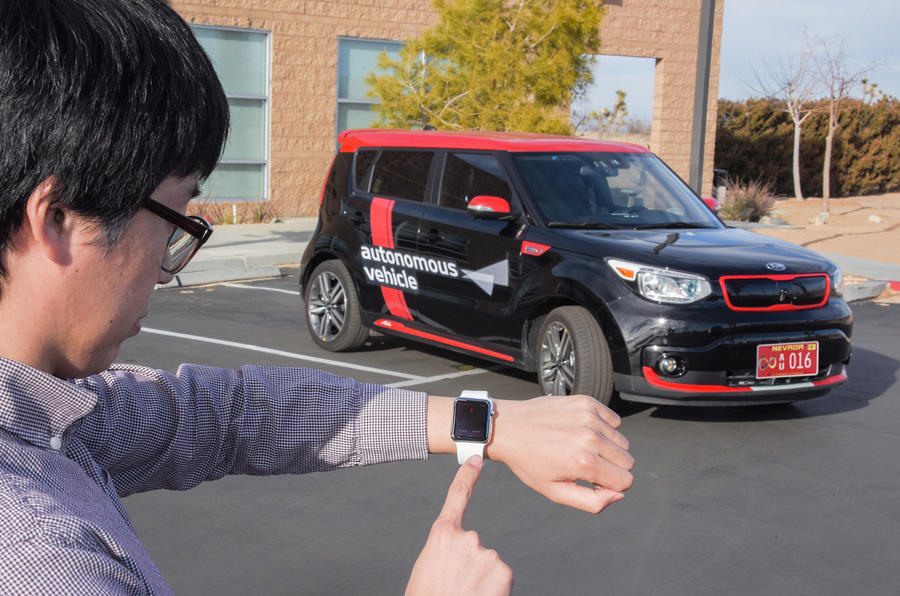
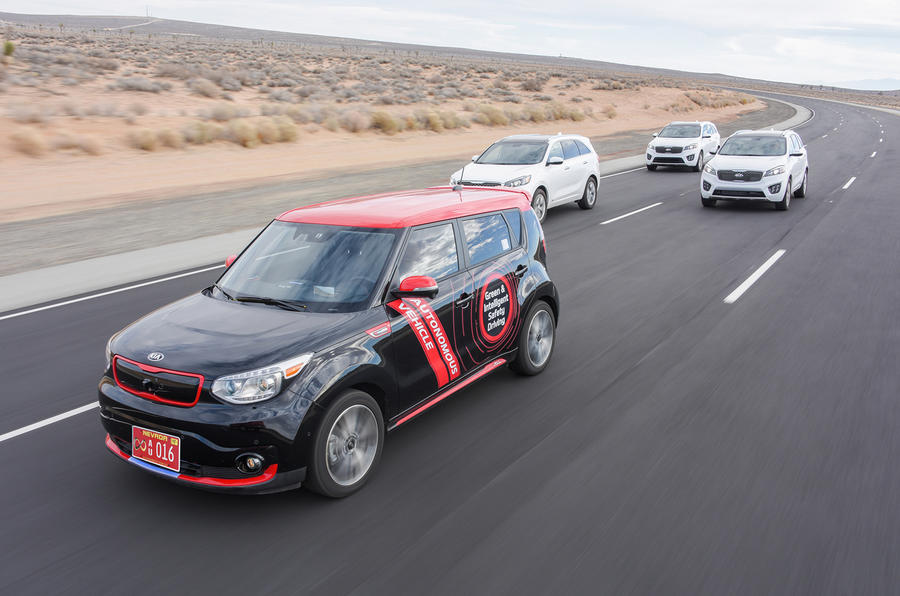
Kia looks to the future with fully autonomous lanes on roads and all this should happen over the next 25 years.

  • In 25 years’ time autonomous cars will have their own dedicated motorway lanes
  • Approximately eight million ‘connected’ cars will be on UK roads by 2020
  • Kia Motors releases a future gazing report, celebrating its 25th anniversary in the UK
To celebrate its 25th anniversary in the UK, Kia Motors (UK) Ltd. has commissioned a first-of-its-kind report looking at the predicted motoring industry over the next 25 years. The report, which covers brand new technologies, the role of connectivity in cars of the future and wider infrastructure and regulation, gives a fascinating insight into how the UK will drive in 25 years’ time.
Fully autonomous cars will account for half of all car sales in 25 years, with increasing degrees of autonomy ranging from cruise control to partial self-drive automation adding to traditional vehicles and over eight million connected cars on UK roads able to communicate with each other and the surrounding infrastructure.
Whilst autonomous cars rise in popularity, there will be a huge overhaul of the infrastructure designed to accommodate a mixture of autonomous cars, connected cars and traditional vehicles. In 25 years autonomous cars will have their own lanes on motorways and will, under certain conditions, be able to ‘communicate’ with the road to identify obstacles, travel delays and even potholes.
The report, which was commissioned in conjunction with Dr. Frank Shaw of the Centre for Future Studies, reveals some of the benefits of autonomous vehicles. With level four autonomy (cars that are completely self-driving with no need for human input at all) parking fines will be almost eliminated as cars will be able to drop off their passengers before finding a suitable space, whilst insurance premiums for road traffic accidents are likely to be almost obsolete with cars able to avoid collisions through communication with each other. With cars able to transport themselves between locations there is also likely to be an increase in car sharing – bringing down the costs and emissions associated with owning a car. The driving test process will be drastically overhauled – drivers will still need a license for partially autonomous cars, but fully self-driving vehicles will allow those who are unable to drive for reasons such as disability a freedom previously denied to them as no human intervention will be required.
Dr. Frank Shaw, who has been described by Time Magazine as one of the 10 most influential thinkers in the world, commented: “The future of the car industry is an exciting one, as there will be a transformation from an industry built by mechanics to one that is largely driven by software developers. There is considerable speculation in 2016 about autonomous driving, the full impacts of which will not become manifest until the 2040s. I am confident however that over the next twenty five years, the industry and technology companies will deliver a safer, more efficient and environmentally friendly driving experience for everyone.”
“Technology in the motoring industry is moving at an incredibly fast pace, and this report is a fascinating look at how the world around our cars will need to adapt in order to keep up,” says Paul Philpott, Kia Motors UK President and CEO. “When Kia first started distributing cars in the UK 25 years ago the world was a very different place, as we have grown from a small importer with just one model to operating in 188 dealerships across the UK, we’re looking forward to the next 25 years and what the future will bring!”

Tuesday, 31 May 2016

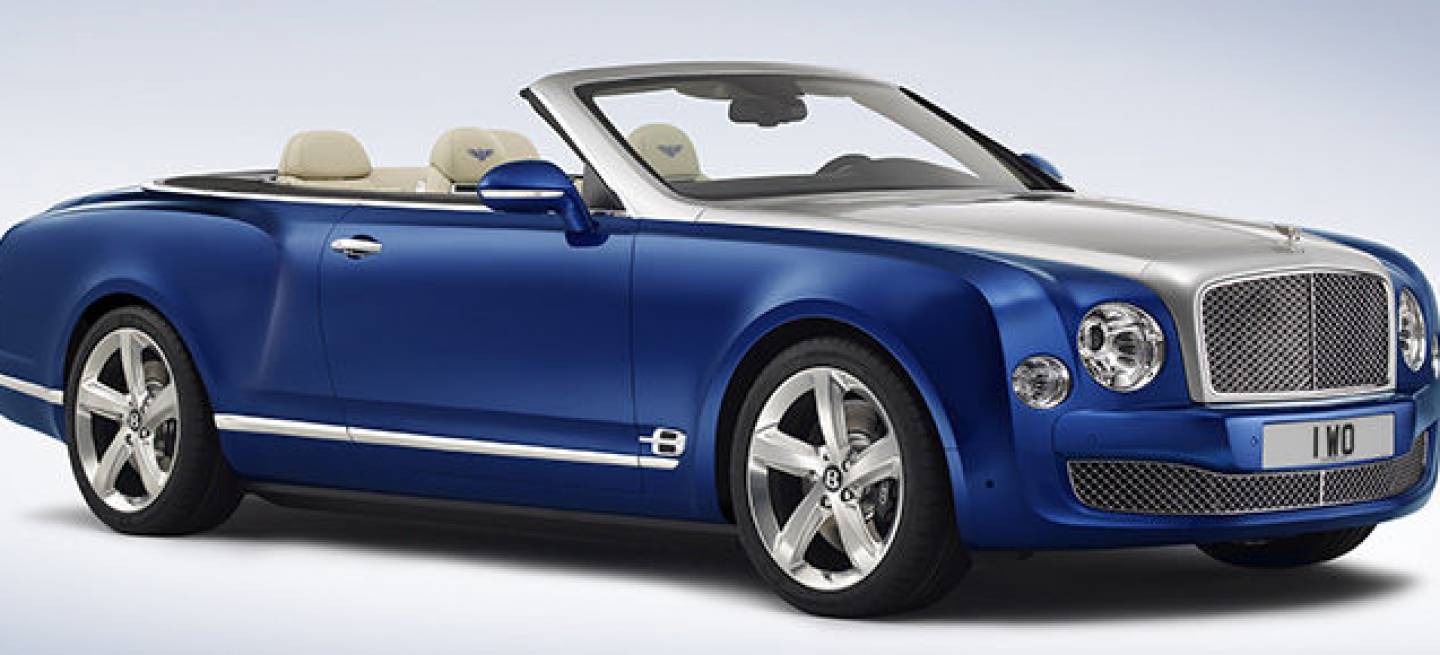
TMW - The New Bentley Coupe and the Grand Mulsanne, which if either will be produced? or maybe both !

The all new Bentley that made it's debut last year was a tentative preview of what possibly could emerge after the launch of the Bentayga, well, now that car has been launched and we wonder with bated breath what Bentley has up it's sleeve for the next all new model.
The EXP 10 Speed 6 Concept was slightly criticised for being too "Aston" like, but in my opinion that is not a problem, Aston makes some of the most beautiful cars in the world, so for Bentley to have a few design cues that mimic, loosely, the Aston, this can only be seen as a positive point.

CEO Wolfgang Duerheimer has stated "We are readying the concept for decision" and that "It would come as a two-door coupe and a roadster as well, and would be launched after the next continental", the new Conti is pencilled in for a launch of 2017, so the new Bentley could make a preview slightly after that launch, and on sale late 2018.
However, Bentley is in a quandary, they have Four models currently, The Continental, The Flying Spur, The Bentayga and Mulsanne, so space is slightly limited at the Crewe facility, and yet they have two models that are fighting it out between themselves for full scale production, the EXP and the Mulsanne based convertible, or the Grand Convertible as it is currently being named.
The Mulsanne will gain a convertible on it's next generation but thats not for upwards of five years, so, would it be worth the investment to have it now, against the new coupe that would slot below the Continental, and be a rather large seller, and with it a big income earner, no brainer, or is it !
Mulliner is capable of building the Grand Convertible, freeing up space at Crewe, they could build 20-30 units at a price that would make even Roman Abramovich wince, but it would be so rare and so wanted by those with the wedge to afford it, that it would make financial sense, and the profits from this car could go someway to productionise the new car, so, a no brainer again, maybe !

The only downpoint to the Mulsanne is that the old beast of an engine that can trace it's lieage back to the 1950's will no longer be usable, and will be replaced by the W12 unit, which Bentley is now in sole control of, and will build engines for all the VW Group that will require this stonking power plant, but the old girl will not be the same, it's like giving your nan a new heart, you know she is just as good, if not better, but she is not the same, this engine, like the original Mini and the Defender are icons of motoring past that lived way past their sell by date, but we clung on to them until the last possible second, and for Bentley the time is running out.
JON MOWER

Thursday, 14 January 2016

Renault-Nissan Alliance to launch 10 autonomous models over the next four years.

  • World's fourth largest car group confirms autonomous drive and connectivity timeline through 2020
  • Fatal and serious injuries have been significantly reduced; new technologies will help make cars even safer
  • Car group hires new executive to oversee connectivity and connected car services globally
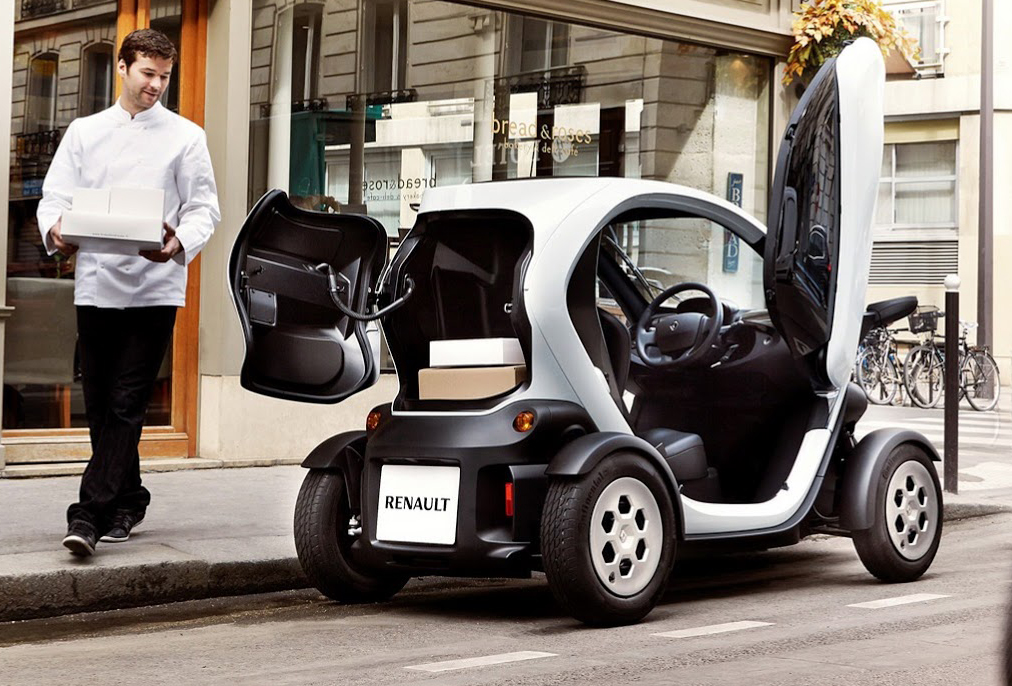
The Renault-Nissan Alliance will launch more than 10 vehicles with autonomous drive technology in the next four years. The global car group confirmed today that it will launch a range of vehicles with autonomous capabilities in the United States, Europe, Japan and China through 2020. 


The technology will be installed on mainstream, mass-market cars at affordable prices.
In addition, Renault-Nissan will launch a suite of new connectivity applications that will make it easier for people to stay connected to work, entertainment and social networks.

"Renault-Nissan Alliance is deeply committed to the twin goals of 'zero emissions and zero fatalities,'" Renault-Nissan Alliance chairman and CEO Carlos Ghosn said at the Renault-Nissan Silicon Valley Research Center. "That's why we are developing autonomous driving and connectivity for mass-market, mainstream vehicles on three continents."

Zero emission and zero fatalities

Renault-Nissan is already the industry's zero-emission leader by far. The Alliance has sold nearly 300,000 all-electric vehicles since the first Nissan LEAF was sold in the San Francisco Bay Area in December 2010.

Safety and efficiency of vehicles across the Renault-Nissan Alliance have increased dramatically. For instance, fatal and serious injuries in Nissan vehicles in Japan decreased 61 percent in 20 years; fatal and serious injuries in Renault vehicles in France decreased 80 percent in 15 years.

Autonomous drive is expected to help further reduce driver error, which is responsible for up to 90 percent of all fatalities.

The year 2016 will mark the debut of vehicles with "single-lane control," a feature that allows cars to drive autonomously on highways, including in heavy, stop-and-go traffic. 

In 2018, Renault-Nissan will launch vehicles with "multiple-lane control," which can autonomously negotiate hazards and change lanes during highway driving. And 2020 will see the launch of "intersection autonomy," which can navigate city intersections and heavy urban traffic without driver intervention.

Later this year the Alliance will launch a new automotive app for mobile devices, which allows remote interaction with your car. 

Next year, it will launch the first "Alliance Multimedia System," providing new multimedia and navigation features, as well as improved smartphone integration and wireless map updates. In 2018, the Alliance Connectivity & Internet of Things platform will support the new Virtual Personal Assistant feature for individual and business customers.

All of the Alliance's autonomous drive technology will be available at the option of the driver.

Convergence for the win

In 2014, Renault-Nissan "converged" both companies' engineering organizations. Engineers at Renault and Nissan work together as one team to reduce duplication in the development of next-generation technologies. 

The technology Renault and Nissan engineers develop together is then available for each company and all brands to use where it makes sense for consumers.

In other words, Renault-Nissan engineers have developed a "technology tool kit," including hardware and software applications. Product teams from Renault, Nissan, Infiniti and other Alliance brands may select those applications for their models, where appropriate. 

By partnering on advanced research and development, Renault and Nissan are able to work more efficiently, with less cost, and thereby deliver higher value vehicles to their customers.

Renault-Nissan has a research and development budget of about US$5 billion. The world's fourth largest car group, which sells one in 10 cars globally, has research centers in Atsugi, Japan; Guyancourt, France; Farmington Hills, Michigan; and Sunnyvale, California. Renault-Nissan also has large engineering centers in India, Brazil, Romania, Turkey and China, among others.

The Alliance also announced today the hiring of technology executive Ogi Redzic to lead the global car group's connected car initiative as Alliance senior vice president, Connected Vehicles and Mobility Services.

Redzic joins Renault-Nissan after positions at Nokia, NAVTEQ, Motorola, and at wireless communication startup cyberPIXIE. He most recently served as senior vice president, Automotive at Nokia HERE, where he led the Automotive Business Group. Redzic, whose new role is effective immediately, will be based in Paris and oversee teams in France and Japan.

Monday, 16 November 2015

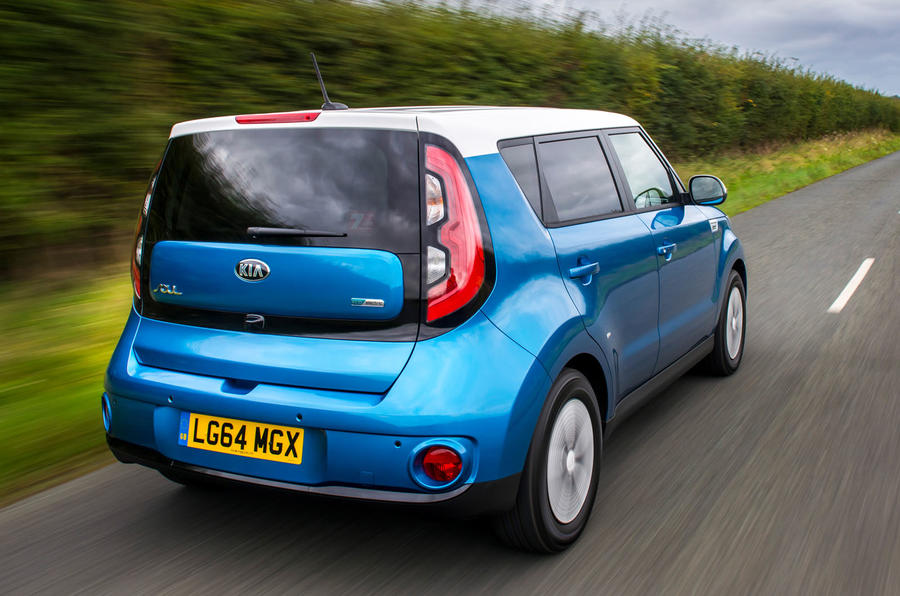
Kia to expand its Green Car line up from 4 today to 11 by 2020, and to replace 70% of its current engines.

  • Green car line-up expected to grow from four to 11 models by 2020
  • Kia targeting hydrogen fuel cell vehicle production within five years
  • Kia aiming to improve average fuel efficiency by 25% over 2014 levels
  • Roadmap for low emission cars includes clean combustion, hybrid- and pure- electric vehicles, and hydrogen fuel cells
  • 70% of current engine range set to be replaced by more efficient units
Kia Motors today announced its mid- to long-term plans for the development of a greatly increased range of environmentally friendly vehicles. The brand’s ‘green car roadmap’ sets out Kia’s ambition to become a leader in the low emissions car market by 2020.

It is anticipated that the five-year development plan will see Kia further increase its investment in research and development (R&D) into fuel-efficient technologies and new products, with a range of all-new models and highly advanced powertrains for global markets.
The new investment by Hyundai Motor Group, Kia’s parent company, totals 11.3 trillion won (US$10.2 billion), for the development of a range of new eco-friendly models and building the facilities required for the brand’s efforts to further reduce its CO2 output. The investment is likely to result in the creation of thousands of new jobs in domestic R&D positions.
Ki-Sang Lee, Senior Vice President, Eco Friendly Vehicle R&D Center, Kia Motors Corporation, commented, “Global market demand is shifting to electric vehicles, with oil prices predicted to rise in future. The electric and plug-in hybrid vehicle market will grow rapidly in the coming years, and this investment will enable Kia to meet the growing demand with a range of advanced new products and technologies.”
Lee added, “We don’t believe that there is any one ‘silver bullet’ that can satisfy the demand for low emission technology within the car industry, so we foresee a wide range of eco-friendly powertrains co-existing for an extended period of time. The plans we’ve announced today represent Kia’s ambition to become a worldwide leader in advanced propulsion technology.”
Kia’s green car line-up to expand
By 2020, Kia’s current green car line-up is expected to grow from four current models to 11. This expanded range of environmentally-friendly vehicles will encompass a wide range of advanced powertrains, from hybrids and plug-in hybrids to battery-electric and fuel cell electric vehicles.
The first models to be launched featuring new types of powertrains under the brand’s 2020 vision for low emissions cars will be the Kia Optima PHEV (plug-in hybrid electric vehicle), which will feature a high capacity lithium-polymer battery pack and electric motor, as well as an efficient six-speed automatic transmission, and the Niro hybrid utility vehicle (HUV), which will target CO2 emissions of 90 g/km (combined, based on the New European Driving Cycle).
Kia to introduce production hydrogen fuel cell vehicle in 2020
As part of this five-year plan, Kia is targeting a 2020 launch for mass production of an all-new hydrogen fuel cell vehicle, featuring next-generation hydrogen fuel stack technology. Kia is working alongside 300 partner companies to develop the next-generation FCEV technology for global markets. Production of the new Kia FCEV is aimed to be around 1,000 units per year, a figure expected to rise as demand for fuel cell vehicles increases.
Kia’s FCEV will feature a fuel stack similar in size to a 2.0-litre internal combustion engine, which development teams believe will offer drivers a high level of durability and power density from the advanced powertrain. Kia engineers are planning to develop the brand’s next-generation fuel cell stack to be 5% more efficient and offer 10% greater stack performance, despite being around 15% lighter and 15% lower in volume, compared to current generation fuel cell stacks. The result is a targeted range of more than 800 km from a single fill-up and a top speed of around 170 kph (106 mph).
The durability of the car’s fuel cell stack and electric motor will be comprehensively assessed, with tests of existing fuel cell stacks from Hyundai Motor Group – Kia’s parent company – covering over 200,000 km on the road. Modern production techniques, system components and electronic control technologies will help Kia to deliver a vehicle that features the high quality standards and levels of innovation that customers have come to expect from the brand.
Kia’s research into fuel cells date back to 1998, which resulted in the creation of the limited production Kia Mohave FCEV, able to travel up to 690 km on a single fill-up.
Average fuel efficiency to increase by 25% by 2020
These plans will help Kia in its aim to raise its average corporate fuel efficiency by 25% over 2014 levels by 2020. As well as investment in advanced propulsion technologies, Kia will also replace seven out of its 10 current engine ranges with next-generation gasoline and diesel units, while increasing the number of turbocharged engines. Higher-efficiency, multi-speed transmissions are also planned, while Kia engineers are targeting a 5% reduction in the average weight of new car bodies through greater application of ultra-high strength steel.
Advanced powertrain investment to create thousands of new jobs
The investment by Kia’s parent company, Hyundai Motor Group, into the development of highly-advanced, highly-efficient powertrain technology as well as smart car technology is expected to create more than 7,300 new jobs, predominantly in R&D roles, over the next four years. Additional job creation is also expected through ongoing investments into the company’s R&D and production facilities, with new overseas Kia production facilities also generating new jobs, directly and indirectly.
Editor’s note: All technical data contained in this press release are expected targets, pending further development and homologation. All figures are subject to change.

Tuesday, 10 November 2015

Hyundai debuts its new Genesis brands range topper, the G90, Luxury, grace and totally tech filled.

  • New large sedan G90 to top Genesis brand’s luxury model range
  • ‘Athletic Elegance’ brings graceful and profound elegance to the new model
Hyundai Motor has revealed the first rendering of its new range-topping G90 luxury sedan, which is named EQ900 in Korea. The elegantly designed, technology packed G90 hints at the recently-launched Genesis brand’s design identity and future direction.

Woong-Chul Yang, Head of Hyundai Motor R&D Center and Vice Chairman of Hyundai Motor, said, “Genesis’ new large luxury sedan G90 will deliver a concept of ‘New Luxury’ to our customers. The G90 sits at the pinnacle of the Genesis brand and demonstrates how we apply our human-centered values to give our customer true satisfaction in every aspect of the vehicle ownership experience.”
As the Genesis brand’s flagship model, G90 is a blueprint for change and innovation that will distinguish the Genesis brand. Majoring on ‘human-centered’ technology combined with engaging driving dynamics, G90 boasts a raft of world-best safety features and technological innovations to set itself apart in the luxury market.
G90 also showcases the Genesis brand’s hallmark design style ‘Athletic Elegance’, interpreted by the newly-formed Prestige Design Division to bring graceful and profound elegance to G90’s significant proportions. Crowned by the Genesis emblem, the grand radiator grille combined with sophisticated headlamps communicates the car’s dynamic, future-orientated character. A theme that flows along a body-length character line to the long and agile rear lamp cluster completes the Athletic Elegance of G90. 
Hyundai Motor created the Genesis brand for a new generation of discerning consumers. Capitalizing on its success in the fast-growing global car market, Hyundai Motor will launch six new Genesis models by 2020.
The launch of G90 is scheduled for early next month in Korea.

Wednesday, 4 November 2015

WORLDWIDE - Biggest shock of the day, Hyundai to deliver a brand new brand, GENESIS, starting in December.

  • New ‘Genesis’ brand will compete with the world’s leading luxury car brands
  • Six-model line-up begins roll-out from December catering for ‘new luxury’ customers, delivering personalized and human-centered experiences
  • Refined performance, athletic elegance in design and human-focused innovation will elevate the Genesis brand
Hyundai Motor has announced an all-new global luxury brand – Genesis –that will deliver ‘human-centered’ luxury through a range of new models that feature the highest standards of performance, design and innovation.

Created for a new generation of discerning consumers, Genesis will be a stand-alone brand that operates alongside the company’s popular Hyundai marque. Capitalizing on its success in the fast-growing global car market, Hyundai Motor will launch six new Genesis models by 2020 and will compete with the world’s most renowned luxury car brands.
The Genesis brand seeks to create a new definition of luxury, one that will provide a new platform for future mobility centered on people. By anticipating human needs at every touch point, Genesis models will embody four key aspects: Human-focused innovation, refined and balanced performance, athletic elegance in design and hassle-free customer experience.
“We have created this new Genesis brand with a complete focus on our customers who want smart ownership experiences that save time and effort, with practical innovations that enhance satisfaction. The Genesis brand will fulfill these expectations, becoming a market leader through our human-centered brand strategy,” said Euisun Chung, Hyundai Motor Company Vice Chairman.
Genesis models will boast outstanding driving dynamics and design, with innovations tailored to closely-meet the needs of customers. The new model line-up will distance itself from the traditional technological overload of brand-focused competitors, concentrating instead on a personalized, hassle-free customer experience. Continuing the customer-oriented approach that flows through every Genesis model, sales and service staff will provide rapid and attentive service to customer’s requests.
To elevate and differentiate the Genesis brand from Hyundai, a distinct design identity, emblem, naming structure and customer service offering is being established.
Genesis models will be badged with a new wing-type emblem, redesigned from the version used on the current Genesis model to create an even more luxurious look. This emblem firmly cements the Genesis models as a collective family of luxury models under the Genesis nameplate.
The Genesis brand will also adopt a new alphanumeric naming structure. Future models will be named by combining the letter ‘G’ for Genesis with a number, 90, 80 or 70 etc., representing the segment.
Woong-Chul Yang, Head of Hyundai Motor R&D Center and Vice Chairman of Hyundai Motor said, “The Genesis models will provide technological innovation, excellent driving performance and luxury to customers. Every Genesis model will be created with the needs of our customers in mind, so the resulting car will perfectly meet their needs without any unnecessary burden or excess.”
Fitted with the latest proactive safety technologies, intuitive convenience features and IT connectivity, Genesis models are engineered to provide excellent ride comfort while retaining confident sportiness.
To develop a distinctive and differentiated design for the new Genesis brand vehicles, Hyundai Motor has created a Prestige Design Division. From mid-2016 Luc Donckerwolke, who was previously responsible for the design of Audi, Bentley, Lamborghini, SEAT and Skoda models at the Volkswagen Group, will lead this new division alongside his role as Head of the Hyundai Motor Design Center. The work of the new Prestige Design Division will be overseen by Peter Schreyer, as part of his group-wide design responsibilities as President and Chief Design Officer (CDO) of Hyundai Motor Group.
Peter Schreyer commented, “In creating the design signature of Genesis brand cars, we set out to display confidence and originality, creating highly desirable products that present new charm through innovative styling and proportions.”
The name ‘Genesis’, which also means new beginnings, hints at the new values and standards that the brand will bring to the global luxury car market. Initially on sale in the Korean, Chinese, North American and Middle Eastern luxury car markets, the Genesis brand will expand its reach to Europe and other parts of Asia as the model range grows to full strength.
Setting the brand’s cars apart from competitors, innovation will begin with the consumer, with customer requirements directing development. This philosophy echoes the vision of Hyundai Motor to be a ‘lifetime partner in automobiles and beyond’, with the ‘Modern Premium’ brand direction of Hyundai reinterpreted for the new Genesis marque.
Since the launch of its first cars in 1967, Hyundai Motor has grown quickly to become one of the world’s leading automakers. The strategic decision to create an all-new luxury car brand is recognition of the company’s strengths and its global ambitions. By introducing new customers to Hyundai Motor and elevating its competitiveness, the new Genesis brand will enable more people to experience the premium value of Hyundai Motor.