My thoughts on all things motoring, press releases, reviews & techie stuff, from around the world.
Please note that the pictures of vehicles within this blog are used as examples of the specific press releases, on occasions, due to the lack of available official pictures, examples are re-produced.
ANY AND ALL PROFANITIES WILL BE REMOVED AND THE PERSON/S RESPONSIBLE WILL BE BANNED, NO EXCEPTIONS.
Purpose
I will try my best to provide detailed info on various cars and what is like to live with them, I have already produced a few for Jaguar-car-forums, I will do my best to be unbiased, but it will be hard for some cars. I will re-produce press releases and copy from other motoring news.
Rugged new E-Class All-Terrain priced from £58,880
Luxurious E-Class Cabriolet starts at £44,675
E 220 d 4MATIC and E 350 d 4MATIC models added to E-Class Coupé line-up
E 350 d 4MATIC now available in Saloon and Estate
The new Mercedes-Benz E-Class Cabriolet and E-Class All-Terrain are now available to order, along with new versions of the E-Class Coupé, Saloon and Estate. The cabriolet is priced from £44,675 for the E 220 d AMG Line Cabriolet. The All-Terrain is available in one special launch edition: All-Terrain Edition, from £58,880.
E-Class All-Terrain Edition
The E-Class All-Terrain Estate comes with standard 4MATIC all-wheel-drive, a nine-speed automatic gearbox and one efficient diesel engine, badged E 350 d. This 3.0-litre turbocharged V6 generates 258 hp and 620 Nm and emits
179 g/km, while delivering combined fuel economy of up to 41.5 mpg. It has a top speed of 155 mph, and accelerates from 0 to 62 mph in just 6.2 seconds.
The All-Terrain Edition comes generously equipped as standard, with a Burmester surround sound system; Air Body Control air suspension; panoramic electric sunroof; Comand Online with a 12.3-inch infotainment display and 12.3-inch cockpit display – creating a widescreen effect; memory package, including electrically operated front seats; LED Intelligent Light System; Keyless-Go Comfort package; privacy glass; split folding rear seats; 20-inch twin-spoke alloy wheels; and an electrically folding tow bar with a 13-pin adapter. It has a towing capacity of up to 2,100 kg.
Dynamic Select – which allows the driver to tailor steering, suspension and accelerator settings - is also standard and features a specific All-Terrain mode, raising the vehicle by 20 mm.
The E-Class All-Terrain is 39 millimetres higher than the E 350d AMG Line Estate. The highest suspension setting gives ground clearance of up to 156 mm. The 4MATIC permanent four-wheel-drive distributes power between the front and rear axles with a split of 31:69.
E-Class Cabriolet
The E-Class Cabriolet is a full four-seater, with a multi-layer acoustic fabric roof that can be operated at speeds up to 31 mph and opened or closed in just 20 seconds. The roof can be specified in one of three no-cost option colours: black; dark blue and dark brown.
There are four engines available from launch: E 220 d; E 350 d 4MATIC; E 300; and E 400 4MATIC.
The E 220 d features a 2.0-litre diesel engine producing 194 hp, and 400 Nm of torque. It emits 126 g/km of CO2 and delivers up to 57.7 mpg on the combined cycle, while 0 to 62 mph takes 7.7 seconds. The E 350 d 4MATIC’s 3.0-litre V6 unit has an output of 258 hp and 620 Nm. Combined fuel economy is 41.5 mpg, and CO2 emissions 179 g/km, and 0 to 62 mph takes 6.1 seconds.
The E 300 uses a 2.0-litre petrol engine producing 245 hp and 370 Nm and can accelerate from 0 to 62 mph in 6.6 seconds. It has a CO2 output of 167 g/km and can deliver up to 39.2 combined mpg. The range-topping E 400 4MATIC has a 3.0-litre biturbo V6 engine generating 333 hp and 480 Nm. It emits 194 g/km of CO2 and delivers 32.8 mpg combined. It can sprint from 0 to 62 mph in 5.5 seconds, and has an electronically limited top speed of 155 mph.
Standard specification for the E-Class Cabriolet is based on that of the E-Class Coupé, with the addition of the Airscarf neck-level heating system and Aircap, which helps to redirect the air flow over the cabin for a more relaxing driving experience. Other standard equipment includes: Agility Control suspension; Magic Vision Control wiper system; LED high performance headlights; reversing camera; heated front seats; and ambient lighting with a choice of 64 colours. Air Body Control air suspension and Comand Online - including the 12.3-inch infotainment screen - are optionally available for £1,495, or standard on the E 400 4MATIC. A second 12.3-inch screen is £495.
A Premium package is optionally available for £1,795 and adds Memory package (including electrically operated front seats) and Keyless-Go Comfort package (keyless entry and start, plus hands-free boot access). The £2,895 Premium Plus package adds to the Premium package with a Burmester Surround Sound system and Multibeam LED Intelligent Light System. Exclusive to the E-Class Cabriolet is the new Rubellite Red metallic paint, which costs £645.
The optional Driving Assistance Plus Package (£1,695) includes Drive Pilot, which combines Distance Pilot Distronic; Speed Limit Pilot; Active Lane-Change Assistant; Active Brake Assist cross-traffic function; Evasive Steering Assist; and Pre-Safe Impulse Side.
Additional changes to the E-Class range
Two new all-wheel drive models have been added to the E-Class Coupé line-up: the E 220 d 4MATIC and E 350 d 4MATIC. The £41,820 E 220 d 4MATIC generates 194 hp and 400 Nm, emits 137 g/km, delivers 53.3 mpg and can sprint from 0 to 62 mph in 7.6 seconds. The £51,415 E 350 d 4MATIC packs 258 hp and 620 Nm, emits 174 g/km and delivers up to 42.8 mpg. It can accelerate from standstill to 62 mph in six seconds.
The E 350 d 4MATIC model has also been added to the E-Class Saloon and Estate range. In the Saloon it emits 167 g/km and delivers up to 44.8 combined mpg. The E 350 d 4MATIC Estate emits 174 g/km and can achieve 42.8 mpg.
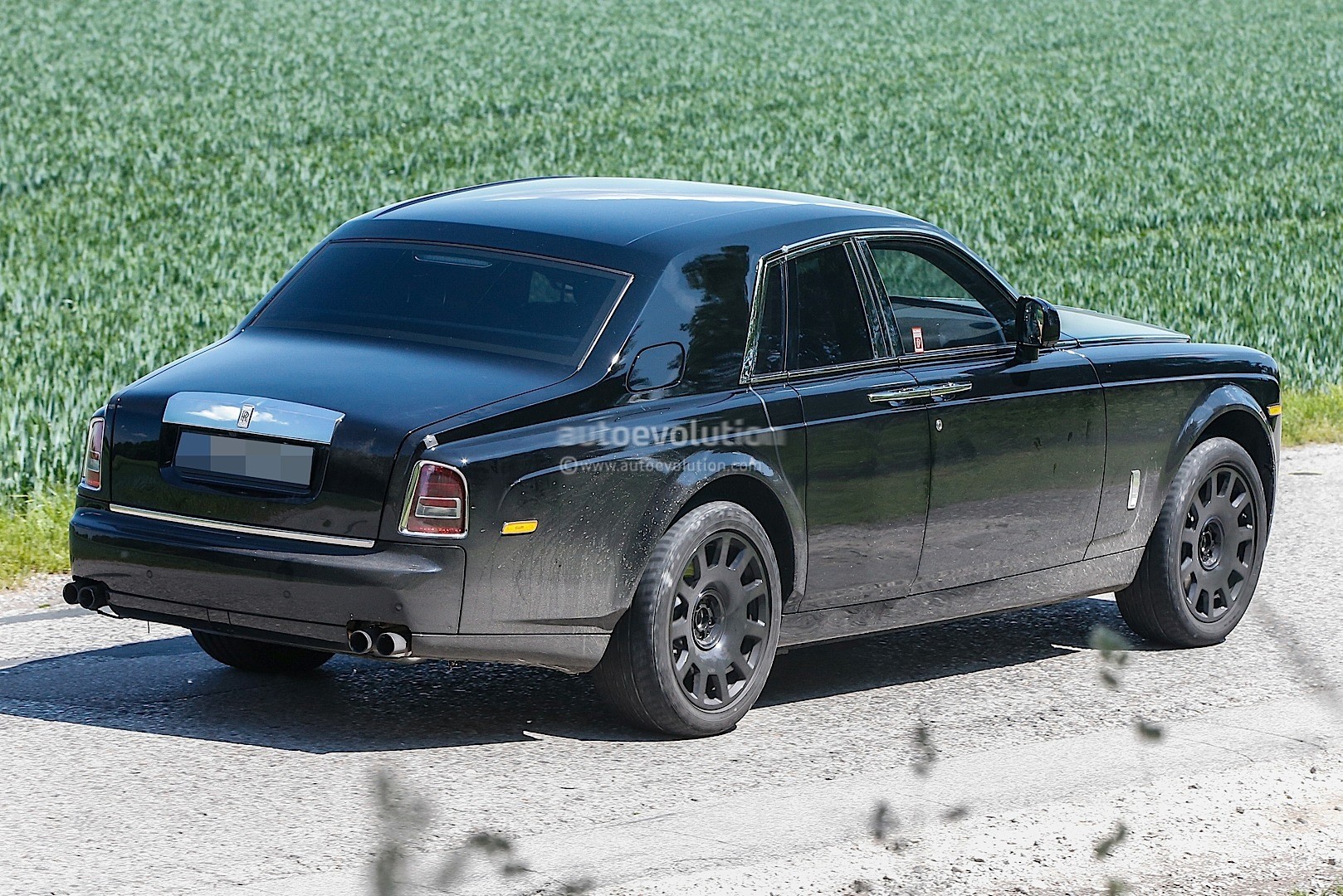
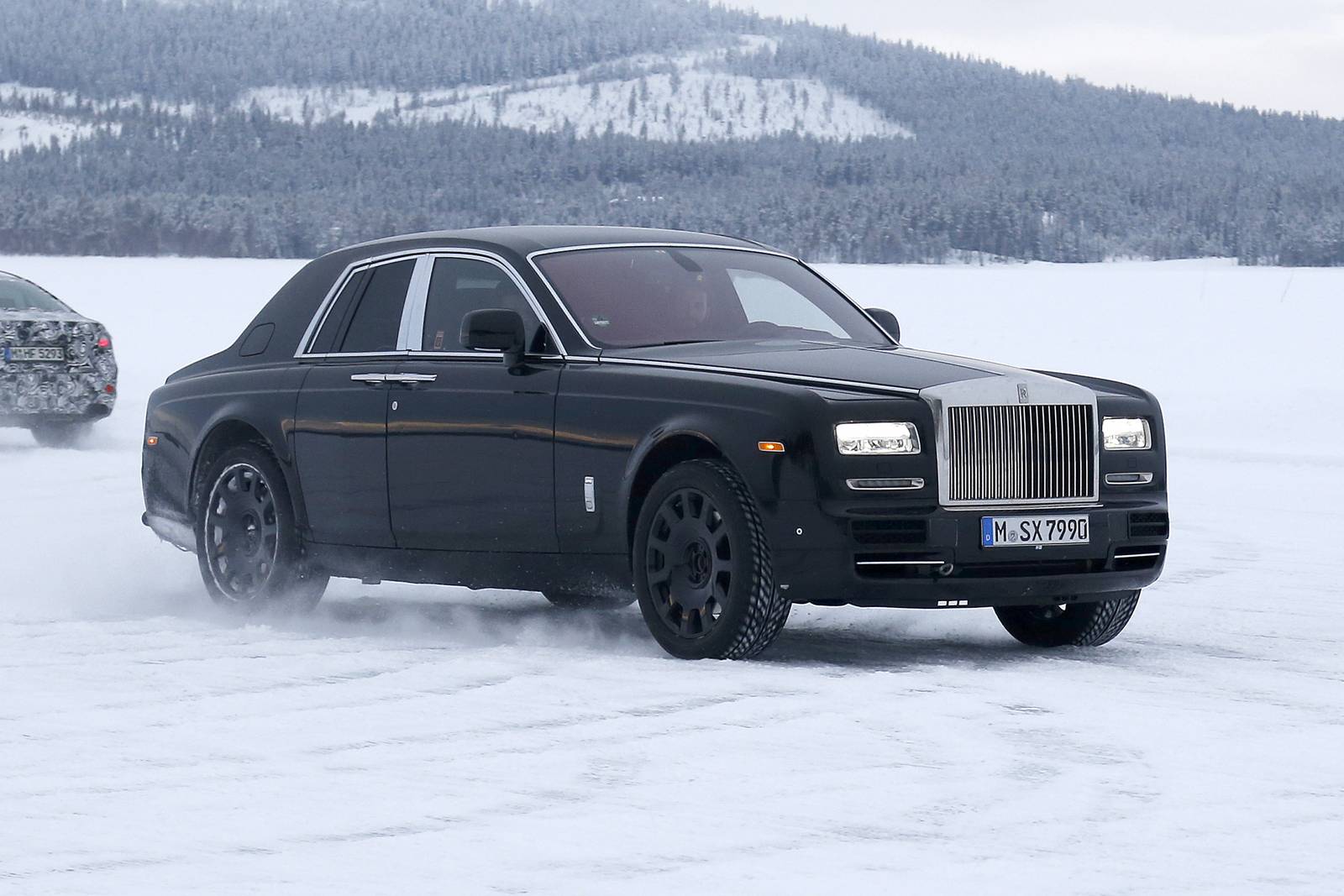
In an open letter published in the Financial Times on 18 February 2015, Rolls-Royce undertook to regularly inform its stakeholders about the progress of Project Cullinan.
Continuing this dialogue, which has seen twice-yearly updates, Rolls-Royce today publishes photographs depicting the latest key milestone in the development programme of this new ‘all-terrain, high-sided vehicle’. This first full development vehicle will begin testing in public from tomorrow.
The world’s leading luxury goods brand has regularly informed its patrons about this painstaking development programme.
Advocates of the marque have been shown the first engineering mule built for the development of the new all-wheel drive suspension system, as well as those created to test the all-new aluminium architecture that will underpin all Rolls-Royces from 2018 onwards.
This latest development vehicle will travel to numerous locations around the world in a challenging testing programme to ensure that the end product will be ‘Effortless … Everywhere’. Just after Christmas, for example, Project Cullinan will enter the Arctic Circle to undergo cold weather durability and traction testing. Later in 2017, it will travel to the Middle East to endure the highest of temperatures and challenging desert conditions.
“This is an incredibly exciting moment in the development of Project Cullinan both for Rolls-Royce and for the patrons of luxury that follow us around the world,” comments Torsten Müller-Ötvös, Chief Executive Officer, Rolls-Royce Motor Cars. “Bringing together the new four-wheel drive system and the new ‘architecture of luxury’ for the first time sets us on the road to creating a truly authentic Rolls-Royce which, like its forebears, will reset the standard by which all other luxury goods are judged.”
From unpaved tracks to steep, serpentine snow-bound roads, the new E-Class All-Terrain can tackle routes where conventional estates have to give up, thanks to greater ground clearance and 4MATIC all-wheel drive. Rugged styling and flared wheel arches also give it a tough look. The E-Class All-Terrain makes its world premiere at the Paris Motor Show 2016. The first cars will arrive in the UK from spring 2017, while pricing and specification will be announced in early 2017.
“No E-Class has ever been as versatile as the All-Terrain. The new model combines a striking look in SUV style with the intelligent space concept of the estate. This is coupled with lots of innovative safety features and the multi-award-winning E-Class interior,” said Ola Källenius, Member of the Daimler management board responsible for Sales and Marketing of Mercedes Benz Cars. “With 4MATIC all-wheel drive as a standard feature and increased ground clearance thanks to the AIR BODY CONTROL multi-chamber air suspension, the All-Terrain is a flexible all-rounder – for unpaved roads, family and leisure time.”
Thanks to off-road styling elements the All-Terrain has a powerful and robust appearance which also distinguishes it from the classic estate. Dynamism and modern luxury unite to make the All-Terrain an ambassador for the Mercedes-Benz design philosophy of the sensuous clarity that defines modern luxury.
An eye-catching feature of the front is the SUV-style two-fin grille with the star integrated in the centre. The distinctive front bumper and lower panelling, electroplated in silver-chrome, also contribute to the robust appearance. The top part of the three-part front bumper is painted in the body colour and the lower part comes in grained black plastic.
At the side, the black wheel arch covers are a distinctive feature that emphasise the car’s all-terrain character. This also applies to the black side skirt that features a chrome trip strip. Three exclusive alloy wheel sets in 19- and 20-inch formats with higher sidewalls give the vehicle a confident look, greater ground clearance and enhanced comfort on rough roads.
The All-Terrain also features a model-specific three-part bumper at the rear with the top part painted in body colour and the lower part in grained black plastic. Further features typical of an SUV include robust load sill protection and an underbody guard electroplated in silver-chrome.
The interior includes aluminium-carbon look trim that is exclusive to the All-Terrain, stainless steel sports pedals and floor mats with All-Terrain lettering. The equipment is based on the AVANTGARDE interior line, while EXCLUSIVE and designo appointments are optionally available [UK details are to be confirmed]. The new model boasts all the load compartment flexibility of the E-Class estate, such as the rear seat cargo position and a standard 40:20:40 split-folding rear seat back. All E-Class innovations relating to safety, comfort and convenience are available.
The All-Terrain will be launched as an E 220 d 4MATIC (143 kW/194 hp) with the newly developed four-cylinder diesel engine. A short time later a variant with a six-cylinder diesel engine will follow. Both models come with the new 9G-TRONIC nine-speed automatic transmission as standard.
Technical data at a glance:
E 220 d 4MATIC
Number of cylinders/arrangement
4/in-line
Displacement (cc)
1950
Rated output (kW/hp at rpm)
143/194 at 3800
Rated torque (Nm at rpm)
400 at 1600-2800
Combined NEDC fuel consumption (l/100 km)
5.1–5.2
Combined CO2 emissions (g/km)
137-139
Efficiency class
A
Acceleration 0-100 km/h (s)
8.0
Top speed (km/h)
232
Figures for version with 9G-TRONIC,
The All-Terrain has DYNAMIC SELECT as standard. This enables five driving programmes to be selected with different engine, transmission, ESP® and steering characteristics. A special model-specific feature is the All-Terrain driving programme, which offers settings for off-road driving and was derived from the GLE. The even more comfortable suspension configuration and the large wheels with higher sidewalls noticeably further increase ride comfort on rough roads compared with the E-Class.
Selecting the All-Terrain driving programme with the driving programme switch raises the chassis via the standard AIR BODY CONTROL by +20 mm up to a speed of 35 km/h. The thresholds for ESP®, active yaw control and acceleration skid control (ASR) are adjusted accordingly. The All-Terrain driving programme has a special indicator in the vehicle display. Information displayed there includes the steering angle, the vehicle level (position of the air suspension), the angle of slope and the angle of inclination, the accelerator/brake position and a compass.
Thanks to air suspension three levels from 0 to +35 mm are selectable. Independent of the driving programme the highest level can also be selected manually with the level button on the centre console. The E-Class All-Terrain is 29 millimetres higher than the E-Class Estate – 14 mm of which is due to the tyres’ larger height/width ratio and 15 mm to the normal driving level of the air suspension. The ground clearance is 121 to 156 mm.
A new Citroën concept car, inspired by the Méhari,will premiere at this year’s Frankfurt International Motor Show. The concept is called Citroën Cactus M and boasts a bright, upbeat personality.
The Citroën Cactus M places leisure at the heart of the automotive experience. At ease on all types of terrain and in all situations, the Cactus M concept inspires a sense of well-being, freedom and escape.
An open-air crossover:The Cactus M has 'go-anywhere' looks, builds on the approach suggested by the Citroën C4 Cactus and clearly expresses its family ties with the Citroën Aircross concept that was presented at the Shanghai Motor Show in April. The wings are sculpted around the wheel arches for a more compact, muscular look. The upright windscreen, raised body and large wheels underline its personality as a leisure vehicle. Along the sides, the large plastic doors add a lightweight, protective touch, giving the vehicle its signature look. This design brings to mind the renowned Méhari, a vehicle created with the same 'go-anywhere' philosophy in mind. The cabin is completely open, connecting the occupants to their surrounding environment. Passengers access the seats in row two by climbing over the sides of the car, using the built in steps on either side at the rear.
Ingenious, with a strong focus on leisure: Through its design, the Citroën Cactus M turns leisure into a lifestyle, and places fun at the heart of the automotive experience. The interior illustrates this approach, using materials inspired by open-air activities. Ready for all sorts of adventures, the cabin can even be hosed down thanks to the drainage outlets integrated in the foot wells. Inspired by the world of surfing, the seats are designed to resemble wetsuits and are upholstered in a brightly coloured neoprene waterproof fabric. The Citroën Cactus M is a modular vehicle, with a rear arch that enables passengers to carry all their equipment, such as wakeboards or surfboards. Everything is designed for comfort, ease of use and peace of mind.
At ease on all types of terrain: The Citroën Cactus M concept has also been designed to head off the beaten track, to explore and open up new horizons. Whatever the activity, weather or road conditions, everything is designed to ensure a relaxing ride for the occupants. On all types of terrain, the Grip Control function optimises traction for a assured ride anywhere. The Cactus M also inspires a sense of extreme freedom with a modular cabin that turns into a ‘couchette’ and a roof that can be made into a tent. The inflatable roof features an innovative operating mechanism and provides welcome protection in the event of rain. The Citroën Cactus M concept also features on-board technologies for everyday use with all the helpful equipment found on the C4 Cactus. This includes the central Touch Drive interface and the Easy Push gearbox system.
The Cactus M concept is a modern take on the values that led to the development of the Méhari.
These values relate to comfort, well-being and leisure, which have always been part of Citroën’s expertise. When viewed alongside the C4 Cactus and the Aircross concept, the Citroën Cactus M concept clearly illustrates the vitality of the brand and the coherence of its approach.
NEW CITROËN CACTUS M CONCEPT IN DETAIL
AN OPEN-AIR CROSSOVER
One year on from the launch of the C4 Cactus, Citroën will display a new take on the model at the 2015 Frankfurt International Motor Show.
The SUV looks of the Cactus M, previously suggested by the C4 Cactus, are underlined by its specific styling and features. The strong sculpted lines, at the front and rear, convey a sense of power. The use of tall and narrow tyres made it possible to increase wheel diameter, resulting in an increased body height.
This impression is reinforced by the sculpted wheel arches. The robust and compact look of the Cactus M is underlined by the 60° rake of the windscreen and the thickness of the pillars, conveying a sense of strength.
The design of the bumpers and the door mirrors was inspired by the Citroën Aircross concept. The solid metal tow hooks and door mirrors suggest protection and quality. These styling attributes position the Citroën Cactus M concept in the world of SUVs and reflect the ties between the two concepts.
Like the Méhari in its time, the Cactus M concept was designed as an open-air vehicle. It seeks to bring passengers closer to their surroundings and to make life easier.
The Citroën Cactus M has two long doors, further underlining the impression of compact overall dimensions. The design of these moulded plastic one-piece doors makes them particularly easy to open and close , while also reducing overall vehicle weight.
The doors use the same Airbump® concept as on C4 Cactus with their thermoformed TPU coating. This ‘second skin’, which is also used on the bumpers, resists knocks and scratches as well as salt water and sand. The concept has been designed with visible hinges, just like the renowned Méhari, which also had ABS plastic bodywork.
Inspired by the surfing spirit, the Citroën Cactus M concept is completely open to the outside world. The wood effect on the rear arch and the windscreen pillars brings to mind the way surfboard manufacturers customise their boards. The cheerful design of the wheels resembles a floral wetsuit design.
INGENIOUS, WITH A STRONG FOCUS ON LEISURE
The beach, sand, salt and water are all considered incompatible with cars. However, the Cactus M was designed for this environment, allowing users to enjoy an intense, uncompromising leisure experience. The choice of shapes, materials, technologies and colours was guided by a desire to enable users to pursue their chosen leisure experience, while freeing them from all practical concerns.
The overall design of the cabin resembles the hull of a boat. The flowing lines are a continuation of the exterior design and the impression of the car being a singular moulded object is emphasised by the use of the same colour – Hawaii Blue – both inside and out. This bright, optimistic colour points to the cheery character of the Cactus M concept and encourages users to head for the open road.
Looking beyond appearance, the functional qualities of a boat hull are also reflected in the overall design. The Citroën Cactus M concept is the ideal partner for an expedition and all the materials used have been selected or treated to resist the elements.
With the draining foot wells, and seats in water and salt-resistant fabric, occupants who have been surfing or swimming in the sea can get into the car without drying or rinsing themselves off. The whole cabin can even be hosed out.
The Cactus M has an attractive, functional interior. The upholstery and dashboard trim were designed to resemble wetsuits. The brightly coloured neoprene fabric adds warmth to the cabin and underlines the vehicle's ‘fun’ side. It also increases the waterproof qualities of the seats and reduces the time required for them to dry.
The Citroën Cactus M concept is designed for practicality. The rear side panels each have a hollowed-out step to enable passengers to get into the seats in row two by stepping over the waist line.
This solution makes for easier access and creates a sense of freedom for passengers in the rear who do not need to open the door or fold the front seats forward. Inside, a range of functional stowage compartments are available including the large front door bins, each enclosed by a net.
The boot is accessed from the outside and two surfboards can be attached using a specific lashing system. Citroën’s styling teams created two surfboards in the colours of the concept car to demonstrate this.
The character and strong personality of the Cactus M concept car is inspired by the 1968 Méhari and the seaside world associated with this legendary model.
A number of styling features, such as the door opening straps and single central windscreen wiper bring to mind the automotive design of the time. Similarly, the headrests are designed to resemble boat fenders, bringing to mind the marine environment associated with open-air vehicles.
AT EASE ON ALL TYPES OF TERRAIN
Designed for people looking for wide open spaces, the Cactus M concept is the ideal partner for adventure. Through its technologies and innovations, it overcomes any obstacles relating to the weather or bumpy terrain.
The Citroën Cactus M combines Grip Control with tall and narrow tyres, increasing agility and enabling it to cope with the toughest roads and gradients.
Grip Control adapts to all situations to optimise traction in any circumstances. Using a dashboard selector to the left of the steering wheel, the driver can choose between four modes, normal, all-terrain, snow or sand.
The Cactus M concept was designed as an open-air vehicle, but is able to adapt to any type of weather with its innovative roof. Located in the double-floor boot, this roof is installed by hand and stretches around the vehicle using an innovative inflation system.
Air inflates three tubes that hold the top in the correct position. Inflation is activated by a compressor at the rear of the vehicle.
With its modular interior and this innovative roof system, the Citroën Cactus M promotes spontaneity and freedom. For example, the Cactus M can be turned into a bivouac for two people, extending the outdoor experience.
By means of an ingenious tilting mechanism, the rear seat can become an extension of the boot, create a ‘couchette’. Users can either sleep in the open or under cover, using the inflation function to turn the roof into a freestanding tent.
This tent folds out at the rear of the vehicle, enabling two people measuring 1.80m in height to stand upright. No more limits stand in the way of the quest for discovery.
For the roof and the tent, Citroën has worked with two companies who are well known in the sector. For the structure and safety of the tent, the brand called upon ATIC, experts in inflatable structures for extreme conditions. To make the fabric, they worked with Jonathan & Fletcher, who are experts in technical textiles for extreme sports.
Looking beyond its innovations, the Citroën Cactus M is also enjoyable to drive every day as it has all the driving comfort and technologies present on the production C4 Cactus.
One year on from the launch of the production car, this concept illustrates the potential of the C4 Cactus as the basis for new models, as well as the extraordinary possibilities for deploying Citroën’s brand positioning through different body styles.
TECHNICAL CHARACTERISTICS
Dimensions
Length: 4.16 m
Width: 1.77 m
Height: 1.48 m
Wheelbase 2.60 m
Petrol drivetrain with the latest-generation automatic gearbox