My thoughts on all things motoring, press releases, reviews & techie stuff, from around the world.
Please note that the pictures of vehicles within this blog are used as examples of the specific press releases, on occasions, due to the lack of available official pictures, examples are re-produced.
ANY AND ALL PROFANITIES WILL BE REMOVED AND THE PERSON/S RESPONSIBLE WILL BE BANNED, NO EXCEPTIONS.
Purpose
I will try my best to provide detailed info on various cars and what is like to live with them, I have already produced a few for Jaguar-car-forums, I will do my best to be unbiased, but it will be hard for some cars. I will re-produce press releases and copy from other motoring news.
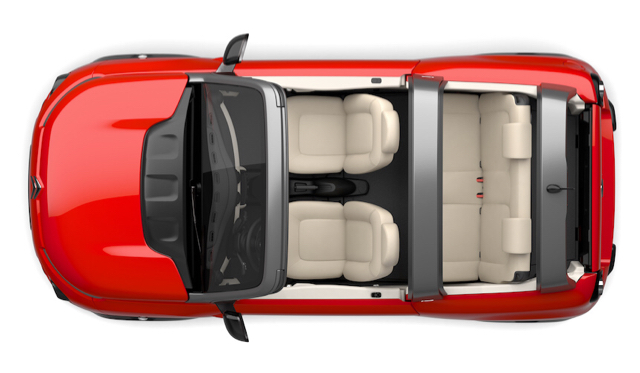
Citroën give all the attention to the Rétromobile Méhari Hall, to be held in Paris from 3 to 7 February 2016, and shows his natural successor scoop: E-Citroen Mehari
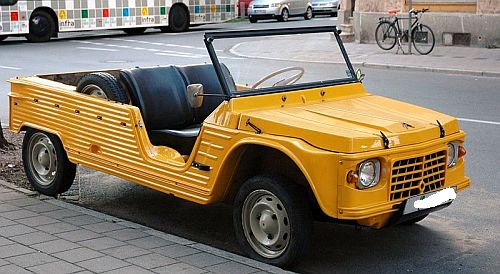
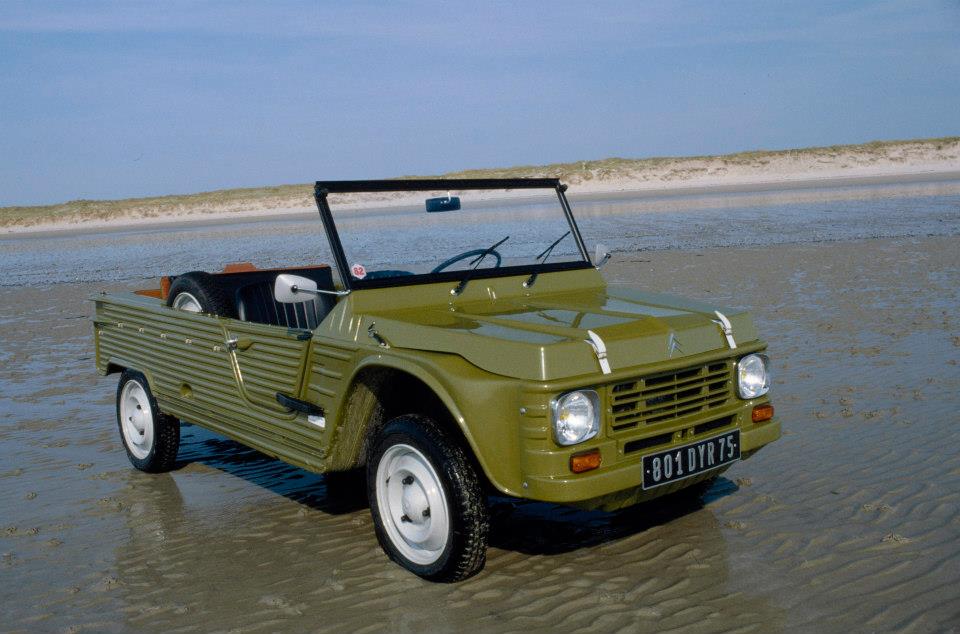
Introduced in May 1968, the Citroen Mehari put into question traditional ideas about how to be a convertible, with a plastic body, worthy of pop art and simplicity as letter colors.
Almost 48 years later, the brand revives this unique spirit in E-Méhari, an heir 100% electric that mythical model presented for the first time to the public. An opportunity for visitors to experience everything a 'back to the future ".
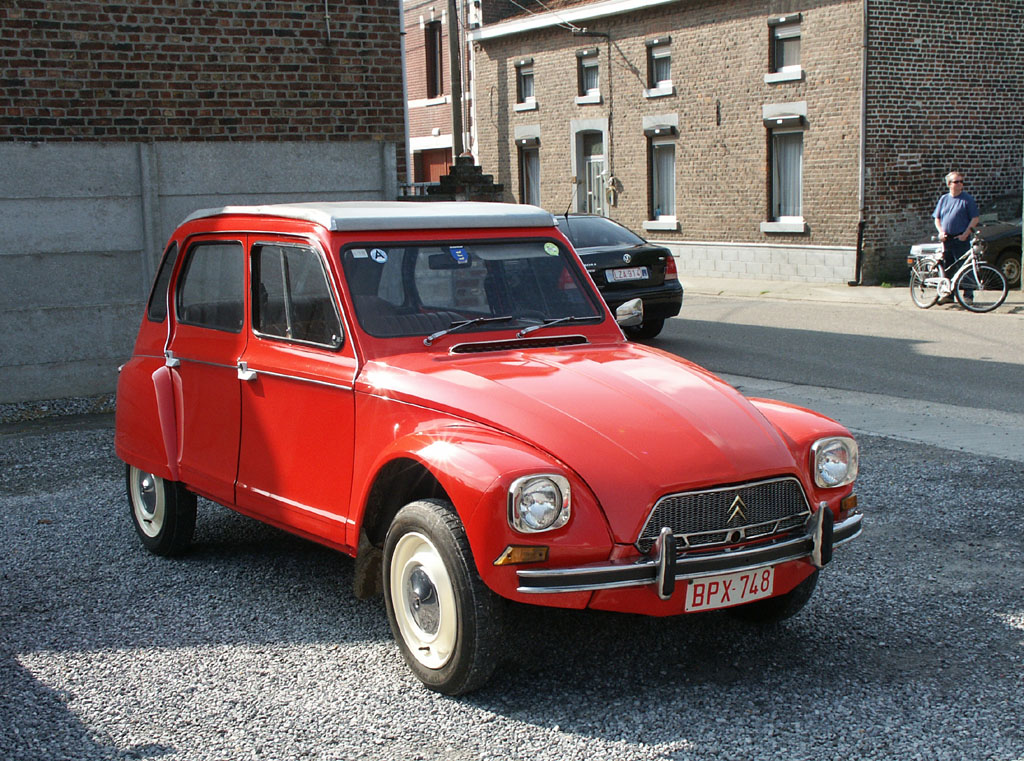
In May 1968, when a whole generation takes to the streets of Paris in search of more freedom, Citroën presented the Méhari, an atypical cabriolet, made on the platform of the Dyane 6, as a flying saucer landed on the roads of the time. His amazing, fresh, simple and complex design, represented a revolution in design codes that traditionally defined the convertibles.
Versatile, practical and economical, the Citroen Mehari became the ideal for getaways to the edge of the sea, thanks to its ingenious ABS plastic body to lighten its weight up to 525 kg and makes it insensitive to corrosion and washable with partner a simple hose. Its modularity and pop colors were the keys to success of this Citroen, he noted for its originality and optimism.
The Citroen Mehari quickly became a symbol of freedom and a way of life simple and relaxed: a social phenomenon. This model also tried his hand in the world of cinema, in the popular film series
"The Gendarme", starring Louis de Funes actor. It also showed its performance in demanding tests like Liege-Dakar Raid-Liege in 1969, and the Raid Paris-Kabul-Paris, in 1970. He even wore the uniform of the French Army and the National Gendarmerie in the neighboring country.
Production of the Citroën Méhari, of which 145,000 units were produced, lasted for almost two decades until 1987.
Almost 30 after the end of this key series in the history of Citroen brand not only relives his unique spirit, facing the leisure and well-being, it throws an heir of Mehari: E-Méhari.
This new model incorporates the fundamental aspects of its predecessor: a 4-seater convertible, without complex, modular, plastic body with bright colors and fully washable interior. Add to these ingredients the modern touch of a 100% electric motor (LMP battery developed by the Bolloré Group) fully in line with the mentality and the use of the model.
Waiting for marketing in spring, all those visiting the Rétromobile lounge 3 2016 February 7, 2016 at the Exhibition Centre Porte de Versailles can discover the Citroën Méhari rigorously E-scoop, in addition to re-meet Méhari original.
Méhari addition, Citroën booth exhibits, in collaboration with collectors clubs brand, historical models that have entered the legend, as the C6, symbol of the 30s, the Traction Avant, mythical vehicle of the interwar period The 2 CV business, which celebrates its 65th anniversary this year, or CX, flagship model of the 70s.
Citroen will preview a potential new model inspired by its iconic Mehari utility vehicle at the Frankfurt auto show next month. The concept will be based on the C4 Cactus compact.
In a statement, Citroen said the concept was a "fresh and invigorating" version of the C4 Cactus that "revisits the spirit of the legendary Mehari.”
MANY THANKS TO AUTO EXPRESS FOR THE PICTURES
Citroen CEO Linda Jackson told Automotive News Europein June that the company was mulling a revival of the open-top Mehari sold between 1968 and 1987.
Jackson has previously said that the C4 Cactus will influence future models in the brand's lineup. The distinctive car, which went on sale last year, has underlined Citroen's intent to be the fun brand in PSA/Peugeot-Citroen's lineup.
Citroen built 150,000 Meharis. It was bought by holidaymakers as a beach buggy and by farmers who used it to get around their fields. The Mehari was also used by the French army, which found its thermoplastic body made it light enough to drop by parachute from an airplane.
The original Mehari was based on the 2CV, another iconic Citroen car, but the brand has ruled out reviving this model.
Citroen's Frankfurt concept could preview an electric Mehari EV built alongside the Bollore Bluesummer convertible electric car.
Autocar reported that Citroen recently applied for the trademark on the e-Mehari name, suggesting the car could have an electric or hybrid powertrain.
PSA/Peugeot-Citroen will start building next month the Bluesummer at its factory in Rennes, western France.
Vincent Bollore, who heads the Bollore industrial group that developed the Bluesummer, has previously talked about the vehicle as a "beach car" in the vein of Mehari.
The Bluesummer will cost less than 20,000 euros and will be sold through Citroen dealerships.
A new Citroën concept car, inspired by the Méhari,will premiere at this year’s Frankfurt International Motor Show. The concept is called Citroën Cactus M and boasts a bright, upbeat personality.
The Citroën Cactus M places leisure at the heart of the automotive experience. At ease on all types of terrain and in all situations, the Cactus M concept inspires a sense of well-being, freedom and escape.
An open-air crossover:The Cactus M has 'go-anywhere' looks, builds on the approach suggested by the Citroën C4 Cactus and clearly expresses its family ties with the Citroën Aircross concept that was presented at the Shanghai Motor Show in April. The wings are sculpted around the wheel arches for a more compact, muscular look. The upright windscreen, raised body and large wheels underline its personality as a leisure vehicle. Along the sides, the large plastic doors add a lightweight, protective touch, giving the vehicle its signature look. This design brings to mind the renowned Méhari, a vehicle created with the same 'go-anywhere' philosophy in mind. The cabin is completely open, connecting the occupants to their surrounding environment. Passengers access the seats in row two by climbing over the sides of the car, using the built in steps on either side at the rear.
Ingenious, with a strong focus on leisure: Through its design, the Citroën Cactus M turns leisure into a lifestyle, and places fun at the heart of the automotive experience. The interior illustrates this approach, using materials inspired by open-air activities. Ready for all sorts of adventures, the cabin can even be hosed down thanks to the drainage outlets integrated in the foot wells. Inspired by the world of surfing, the seats are designed to resemble wetsuits and are upholstered in a brightly coloured neoprene waterproof fabric. The Citroën Cactus M is a modular vehicle, with a rear arch that enables passengers to carry all their equipment, such as wakeboards or surfboards. Everything is designed for comfort, ease of use and peace of mind.
At ease on all types of terrain: The Citroën Cactus M concept has also been designed to head off the beaten track, to explore and open up new horizons. Whatever the activity, weather or road conditions, everything is designed to ensure a relaxing ride for the occupants. On all types of terrain, the Grip Control function optimises traction for a assured ride anywhere. The Cactus M also inspires a sense of extreme freedom with a modular cabin that turns into a ‘couchette’ and a roof that can be made into a tent. The inflatable roof features an innovative operating mechanism and provides welcome protection in the event of rain. The Citroën Cactus M concept also features on-board technologies for everyday use with all the helpful equipment found on the C4 Cactus. This includes the central Touch Drive interface and the Easy Push gearbox system.
The Cactus M concept is a modern take on the values that led to the development of the Méhari.
These values relate to comfort, well-being and leisure, which have always been part of Citroën’s expertise. When viewed alongside the C4 Cactus and the Aircross concept, the Citroën Cactus M concept clearly illustrates the vitality of the brand and the coherence of its approach.
NEW CITROËN CACTUS M CONCEPT IN DETAIL
AN OPEN-AIR CROSSOVER
One year on from the launch of the C4 Cactus, Citroën will display a new take on the model at the 2015 Frankfurt International Motor Show.
The SUV looks of the Cactus M, previously suggested by the C4 Cactus, are underlined by its specific styling and features. The strong sculpted lines, at the front and rear, convey a sense of power. The use of tall and narrow tyres made it possible to increase wheel diameter, resulting in an increased body height.
This impression is reinforced by the sculpted wheel arches. The robust and compact look of the Cactus M is underlined by the 60° rake of the windscreen and the thickness of the pillars, conveying a sense of strength.
The design of the bumpers and the door mirrors was inspired by the Citroën Aircross concept. The solid metal tow hooks and door mirrors suggest protection and quality. These styling attributes position the Citroën Cactus M concept in the world of SUVs and reflect the ties between the two concepts.
Like the Méhari in its time, the Cactus M concept was designed as an open-air vehicle. It seeks to bring passengers closer to their surroundings and to make life easier.
The Citroën Cactus M has two long doors, further underlining the impression of compact overall dimensions. The design of these moulded plastic one-piece doors makes them particularly easy to open and close , while also reducing overall vehicle weight.
The doors use the same Airbump® concept as on C4 Cactus with their thermoformed TPU coating. This ‘second skin’, which is also used on the bumpers, resists knocks and scratches as well as salt water and sand. The concept has been designed with visible hinges, just like the renowned Méhari, which also had ABS plastic bodywork.
Inspired by the surfing spirit, the Citroën Cactus M concept is completely open to the outside world. The wood effect on the rear arch and the windscreen pillars brings to mind the way surfboard manufacturers customise their boards. The cheerful design of the wheels resembles a floral wetsuit design.
INGENIOUS, WITH A STRONG FOCUS ON LEISURE
The beach, sand, salt and water are all considered incompatible with cars. However, the Cactus M was designed for this environment, allowing users to enjoy an intense, uncompromising leisure experience. The choice of shapes, materials, technologies and colours was guided by a desire to enable users to pursue their chosen leisure experience, while freeing them from all practical concerns.
The overall design of the cabin resembles the hull of a boat. The flowing lines are a continuation of the exterior design and the impression of the car being a singular moulded object is emphasised by the use of the same colour – Hawaii Blue – both inside and out. This bright, optimistic colour points to the cheery character of the Cactus M concept and encourages users to head for the open road.
Looking beyond appearance, the functional qualities of a boat hull are also reflected in the overall design. The Citroën Cactus M concept is the ideal partner for an expedition and all the materials used have been selected or treated to resist the elements.
With the draining foot wells, and seats in water and salt-resistant fabric, occupants who have been surfing or swimming in the sea can get into the car without drying or rinsing themselves off. The whole cabin can even be hosed out.
The Cactus M has an attractive, functional interior. The upholstery and dashboard trim were designed to resemble wetsuits. The brightly coloured neoprene fabric adds warmth to the cabin and underlines the vehicle's ‘fun’ side. It also increases the waterproof qualities of the seats and reduces the time required for them to dry.
The Citroën Cactus M concept is designed for practicality. The rear side panels each have a hollowed-out step to enable passengers to get into the seats in row two by stepping over the waist line.
This solution makes for easier access and creates a sense of freedom for passengers in the rear who do not need to open the door or fold the front seats forward. Inside, a range of functional stowage compartments are available including the large front door bins, each enclosed by a net.
The boot is accessed from the outside and two surfboards can be attached using a specific lashing system. Citroën’s styling teams created two surfboards in the colours of the concept car to demonstrate this.
The character and strong personality of the Cactus M concept car is inspired by the 1968 Méhari and the seaside world associated with this legendary model.
A number of styling features, such as the door opening straps and single central windscreen wiper bring to mind the automotive design of the time. Similarly, the headrests are designed to resemble boat fenders, bringing to mind the marine environment associated with open-air vehicles.
AT EASE ON ALL TYPES OF TERRAIN
Designed for people looking for wide open spaces, the Cactus M concept is the ideal partner for adventure. Through its technologies and innovations, it overcomes any obstacles relating to the weather or bumpy terrain.
The Citroën Cactus M combines Grip Control with tall and narrow tyres, increasing agility and enabling it to cope with the toughest roads and gradients.
Grip Control adapts to all situations to optimise traction in any circumstances. Using a dashboard selector to the left of the steering wheel, the driver can choose between four modes, normal, all-terrain, snow or sand.
The Cactus M concept was designed as an open-air vehicle, but is able to adapt to any type of weather with its innovative roof. Located in the double-floor boot, this roof is installed by hand and stretches around the vehicle using an innovative inflation system.
Air inflates three tubes that hold the top in the correct position. Inflation is activated by a compressor at the rear of the vehicle.
With its modular interior and this innovative roof system, the Citroën Cactus M promotes spontaneity and freedom. For example, the Cactus M can be turned into a bivouac for two people, extending the outdoor experience.
By means of an ingenious tilting mechanism, the rear seat can become an extension of the boot, create a ‘couchette’. Users can either sleep in the open or under cover, using the inflation function to turn the roof into a freestanding tent.
This tent folds out at the rear of the vehicle, enabling two people measuring 1.80m in height to stand upright. No more limits stand in the way of the quest for discovery.
For the roof and the tent, Citroën has worked with two companies who are well known in the sector. For the structure and safety of the tent, the brand called upon ATIC, experts in inflatable structures for extreme conditions. To make the fabric, they worked with Jonathan & Fletcher, who are experts in technical textiles for extreme sports.
Looking beyond its innovations, the Citroën Cactus M is also enjoyable to drive every day as it has all the driving comfort and technologies present on the production C4 Cactus.
One year on from the launch of the production car, this concept illustrates the potential of the C4 Cactus as the basis for new models, as well as the extraordinary possibilities for deploying Citroën’s brand positioning through different body styles.
TECHNICAL CHARACTERISTICS
Dimensions
Length: 4.16 m
Width: 1.77 m
Height: 1.48 m
Wheelbase 2.60 m
Petrol drivetrain with the latest-generation automatic gearbox
2CV enthusiasts will meet in Torun, Poland, on the occasion of the 21st World concentration of 2CV, from July 28 to August 2. Created in 1975, it is the largest concentration in the world dedicated to this model, in which more than 7,000 vehicles and 20,000 participants expected. For a week, the Polish city will vibrate to the rhythm of the legendary Citroen vehicle.
For this edition 2015, Toruń, the beautiful city in northern Poland, which will host all the fans of the Citroen 2CV. A unique gathering that annually attracts more people.
The last two rallies, in 2011 in France and 2013 in Spain, which had already broken records this year is expected to exceed again. No less than 7,000 Citroen 2CV arrived from around the world will be present on the occasion of the 21st concentration in a festive and convivial environment.
Many enthusiasts, members of the 2 CV clubs or individuals attending the meeting to admire the different versions of the most charismatic car and also the best-selling brand (more than 5 million units manufactured in 42 years). A unique opportunity to exchange experiences around a common passion and living a few days the rhythm of the 2CV.
During the event, visitors will be invited to discover the museum ephemeral Citroen, where they will be exposed numerous models and photographs donated by the private Conservatory brand. Citroën collectors and members of the " Amicale Citroën Internationale "(ACI) also have the opportunity to participate in various competitions such as road racing, trials or competitions circuit assembly and disassembly of 2CV, reminiscent of his versatile character. Elegance contests, where the 2CV will face other mythical brand vehicles such as Ami 6, the Ami 8, the Dyane or Mehari will also be organized.
This meeting is also a human adventure, since some collectors decide to travel together in their 2CV, the way to Poland from their countries of origin.Algunos of them continue their journey after the merger, due to an exceptional two-day rally , 2CV, organized for the participants.
Translated by Google - apologies for any errors caused.
Citroen is considering a revival of its iconic Mehari lightweight utility car to help give the brand a “fun” image, CEO Linda Jackson said.
Citroen built 150,000 units of the open-sided, canvas-roofed Mehari between 1968 and 1987. The car had a diverse customer base. It was used as a beach buggy by holidaymakers and by farmers to get around their fields. Its thermoplastic body also made it light enough for the French army to drop the car attached to a parachute from an airplane.
Jackson said Citroen’s new brand positioning is about selling cars that are fun and give people a happy feeling. “Maybe there is a place for the Mehari. It’s something we are considering,” Jackson told the Automotive News Europe Congress here on June 10.
PSA/Peugeot-Citroen CEO Carlos Tavares wants to reduce the number of cars sold by the company as part of his turnaround strategy for the automaker. His Back in the Race business plan includes reducing the Citroen lineup to seven core models by 2022, down from 14 now.
Jackson said the future core models would be “silhouettes” from which different variants could be produced so a modern Mehari could be developed as a variant of a future subcompact car.
The Mahari was based on the 2CV, another Citroen car that has iconic status. Jackson said the 2CV will not be revived. “The 2CV had its day," she said, "but that's not now."