Purpose

I will try my best to provide detailed info on various cars and what is like to live with them, I have already produced a few for Jaguar-car-forums, I will do my best to be unbiased, but it will be hard for some cars. I will re-produce press releases and copy from other motoring news.
Showing posts with label czech republic. Show all posts

Thursday, 16 March 2017

GENEVA - The all New Hyundai i30 Tourer gets it's World Premiere this week.

  • New Tourer body style will be the next member in the i30 family, following launch of five-door
  • Timeless design of i30 is enhanced by versatile and elegant form of wagon
  • The New Generation i30 Tourer will celebrate its world premiere at Geneva International Motor Show 2017 during the Hyundai press conference (8:15 am CET, 7 March 2017)
This year’s Geneva International Motor Show is the stage for the unveiling of the New Generation Hyundai i30 Tourer. The new member of the i30 family maintains the timeless design of its five-door sibling, adding elegance and versatility in its body style.
“Designed, developed, tested and manufactured in Europe, the New Generation Hyundai i30 is Hyundai Motor’s DNA car in Europe,” says Thomas A. Schmid, Chief Operating Officer at Hyundai Motor Europe. 
“The i30 is more than just a model – it is a family of cars, consisting of four body types with unique characters united by a coherent, timeless design. With the new i30 Tourer we are now introducing the next body type, offering elegance and versatility for everyone.”

“The New Generation i30 Tourer speaks the language of the i30 family in terms of design, and it carries the new Hyundai family identity – the Cascading Grille,” explains Thomas Bürkle, Chief Designer at Hyundai Design Centre Europe. “The tapering roofline and the dynamic proportions give the Tourer an almost coupé-like silhouette. The sleek and dynamic profile is further emphasised by a rich chrome frame surrounding the side windows.”
In combination with the full-LED headlamps and the vertical LED daytime running lights, the New Generation i30 Tourer has a strong visual presence.
High versatility with one of the biggest boots in the segment
The i30 Tourer’s sleek design does not compromise boot space: with 602 litres of space (VDA 211) and 1,650 litres (VDA 214) with the seats folded, it has one of the biggest boots in the segment. Versatility is further enhanced by the additional storage space beneath the boot floor with several compartments.
The overall length of the Tourer is 4,585 mm (5-door version: 4,340 mm), the height is 1,465 mm (1,475 mm with roof rack). The overall width of 1,795 mm and wheelbase of 2,650 mm are the same as the five-door version.
Best-in-class standard safety package
Hyundai Motor democratises technology by offering latest active safety and connectivity features for the New Generation i30 Tourer. The i30 offers best-in-class standard active safety with Autonomous Emergency Braking, Driver Attention Alert, High Beam Assist and Lane Keeping Assist System always on board.
Using camera sensors, the Autonomous Emergency Braking (AEB) fitted in the i30 operates in three stages. Initially warning the driver visually and acoustically, it controls the brake according to the collision danger stage, and applies maximum braking force to avoid a collision or minimise damage when a collision is unavoidable. The optional pedestrian recognition uses a front radar and avoids or mitigates the consequence of an impact with a pedestrian.
Driver Attention Alert (DAA) is a driver protection feature which helps monitor driving patterns in order to detect fatigued driving and prevent potential accidents.
Advanced Smart Cruise Control (ASCC) keeps a constant speed and distance from the vehicle ahead by automatically accelerating and braking up to 180 km/h. If the traffic comes to a halt, the system applies the brake until the car comes to a standstill and accelerates to the desired speed as soon as the road is clear.
The Blind Spot Detector (BSD) with Lane Change Assist monitors the rear corners and, if another vehicle is detected, a visual alert appears on the exterior mirrors.
The Rear-Cross Traffic Alert (RCTA) system reduces the risk of collision with approaching traffic when reversing out of narrow areas with low visibility by alerting the driver visually and acoustically.
The Lane Keeping Assist System (LKAS) alerts the driver of unsafe movements at over 60 km/h by sensing the car’s position. It warns the driver before inducing corrective steering to guide the driver back to a safe position.
The Speed Limit Information Function (SLIF) identifies road speed signs and displays the speed limit in real time. The information is shown both in the navigation system display as well as in the TFT cluster.
A High Beam Assist (HBA) detects both oncoming vehicles and vehicles in the same lane ahead at night and changes to low-beam as appropriate, reducing blinding effects on other drivers. Whenever there are no vehicles detected HBA automatically re-activates the high beams, maximising the driver’s range of vision.
Smart and connected
The i30 Tourer offers customers a spacious and elegant interior with a horizontal layout and free floating screen for the infotainment system. 
The eight-inch touch screen of the new generation navigation system offers state-of-the-art connectivity features such as Apple CarPlay, Android Auto and LIVE Services. 
A wireless charging system for smartphones with the Qi standard is available as well. As an alternative, customers can choose between different audio options, including the audio system with a five-inch capacitive LCD touch screen with integrated dynamic rear-view camera, Bluetooth connectivity and My Music functionality.
Dynamic and efficient powertrains
The powertrain line-up of the i30 Tourer consists of downsized turbocharged engines to enhance efficiency and responsiveness (preliminary fuel consumption in l/100 km for the Hyundai i30 Tourer range: combined 5.8 – 3.6 l/100km, CO2 Emissions 135– 95 g/km*). 
Customers can choose from two petrol engines and one 1.6-litre turbo diesel engine with 110PS. The Tourer is available with Hyundai’s all-new turbocharged four-cylinder petrol engine, the 1.4 T-GDI delivers maximum power of 140 PS and the new three-cylinder 1.0 T-GDI that delivers maximum power of 120 PS.
Driving dynamics
The engineers of Hyundai Motor Europe’s Technical Centre in Germany enhanced the driving dynamics of the New Generation i30 in a rigorous testing programme throughout Europe and on the famous Nürburgring Nordschleife. 
The highly rigid and light body with 53 % Advanced High Strength Steel provides the basis for good ride and handling characteristics, and the fact that it is combined with 10 % more direct steering and a newly developed chassis means the driver can enjoy dynamic driving together with high levels of comfort.
Made in Europe
Designed in Hyundai Motor Europe’s Technical Centre in Rüsselsheim, produced in Nošovice, Czech Republic, and tested on the Nürburgring, the third generation i30 family is built on the infrastructure that Hyundai Motor has developed over the last 25 years in Europe. 
It aims to continue the success of the two previous generations of i30, which have sold more than 800,000 cars in Europe since 2008.
*Official combined cycle test –All values are tentative and not homologated yet, hence subject to changes.

Saturday, 10 September 2016

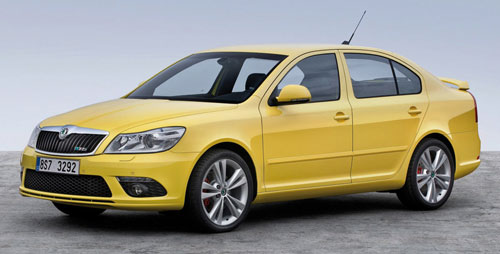
5,000,000, 20 Years, three generations, two body styles, infinite combinations, thats the Octavia from Skoda Auto.

  • ​›First ŠKODA OCTAVIA rolled off production line at newly constructed plant in Mladá Boleslav two decades ago 
  • ›Modular vehicle design, advanced technology, high efficiency and ergonomics in OCTAVIA production 
  • ›Production figures rose by more than a third within a year 
  • ›ŠKODA OCTAVIA one of most successful model series in automotive world  
  • ›Undisputed bestseller in traditional brand’s 121-year history with more than five million units sold

​20 years ago, on 3 September 1996, former Czech President Vaclav Havel gave the starting signal for the production of the ŠKODA OCTAVIA in the newly opened part of the plant at the company's headquarters. 

This also marked the beginning of a unique success story: Over the following two decades, the ŠKODA OCTAVIA became a worldwide bestseller and is still the best selling model of the brand from Mladá Boleslav. The popular compact car paved the way for ŠKODA’s success.


​In February 1995 in Mladá Boleslav, the foundation stone for the new production line was laid, on which the first ŠKODA OCTAVIAs would be produced around 18 months later. 

For the new series ŠKODA built a modern production line in a 32,000-square-meter hall. In addition, a total of 2,500 square meters of office space and 3,000 square meters of social areas were created. In March 1996, the new paint shop was completed, where up to 1,800 bodies of model series ŠKODA FELICIA and ŠKODA OCTAVIA would be painted every day.


On 3 September 1996, former President of the Czech Republic Václav Havel inaugurated the new plant and also officially gave the go-ahead for the series production of the ŠKODA OCTAVIA. “The plant is beautiful, modern, really pretty. It would be great if all factories looked like this.” – Havel’s words of praise at the opening ceremony.

The development of the completely new OCTAVIA model series began in 1992, approximately one year after the traditional Czech brand joined the Volkswagen Group. The ŠKODA OCTAVIA was based on a Group platform which was completely new at the time. 

The robust body structure, which had been developed using the latest CAD (Computer Aided Design) technology, provided exemplary active and passive safety in combination with front airbags for driver and passenger. In addition, this was the first time that ŠKODA had offered the then new side airbags for the OCTAVIA.

With the clever liftback solution, the new compact featured an especially practical highlight: Thanks to the large tailgate of the hatchback model, customers benefited from excellent access to the 528-litre boot, which could be extended to as much as 1,328 litres by folding the rear seats down.

In 1996 – the first sales year – ŠKODA OCTAVIA customers could choose from two four-cylinder petrol engines or a turbodiesel drivetrain. In May 1998, the ŠKODA OCTAVIA COMBI extended the model range; from 1999 the estate version was also available with all-wheel drive. 

The last vehicle from the first generation rolled off the production line in November 2010. Between September 1996 and November 2010 around 970,000 saloons and more than 470,000 estates were delivered.

The second-generation ŠKODA OCTAVIA seamlessly continued the success story of its predecessor: Between 2004 and 2013, 1.6 million customers opted for the saloon, 900,000 buyers chose the ŠKODA OCTAVIA estate. 

The third generation of the ŠKODA OCTAVIA has been in production since November 2012. Today the bestseller is considered the heart of the brand and is extremely popular both as a family car and as a company vehicle. 

Since the start of production of the first generation on September 3, 1996, more than five million ŠKODA OCTAVIAs have left the production halls.  In addition to the main plant in Mladá Boleslav the compact is also manufactured at the ŠKODA plants in China, India, Russia and Kazakhstan.

Thursday, 16 June 2016

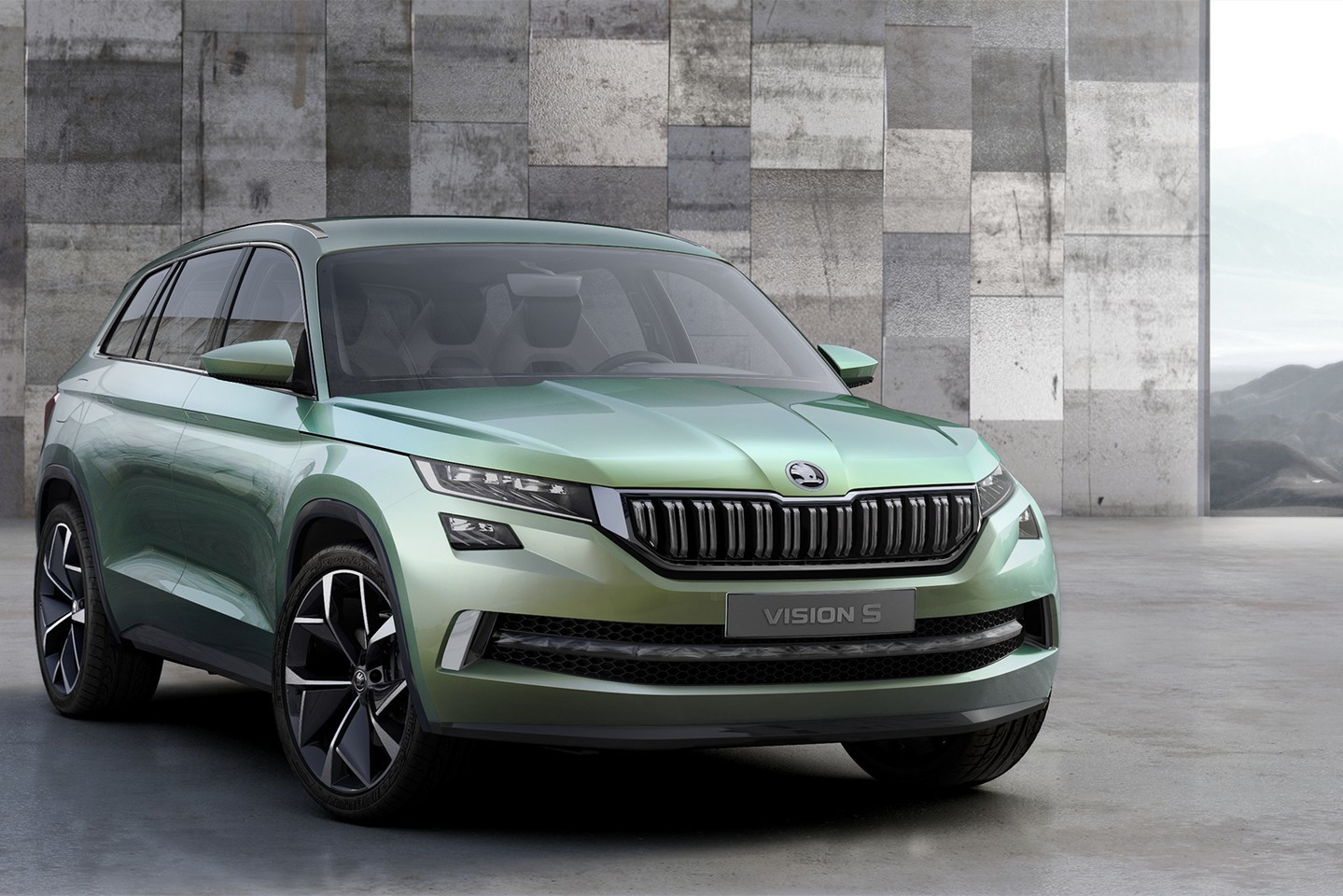
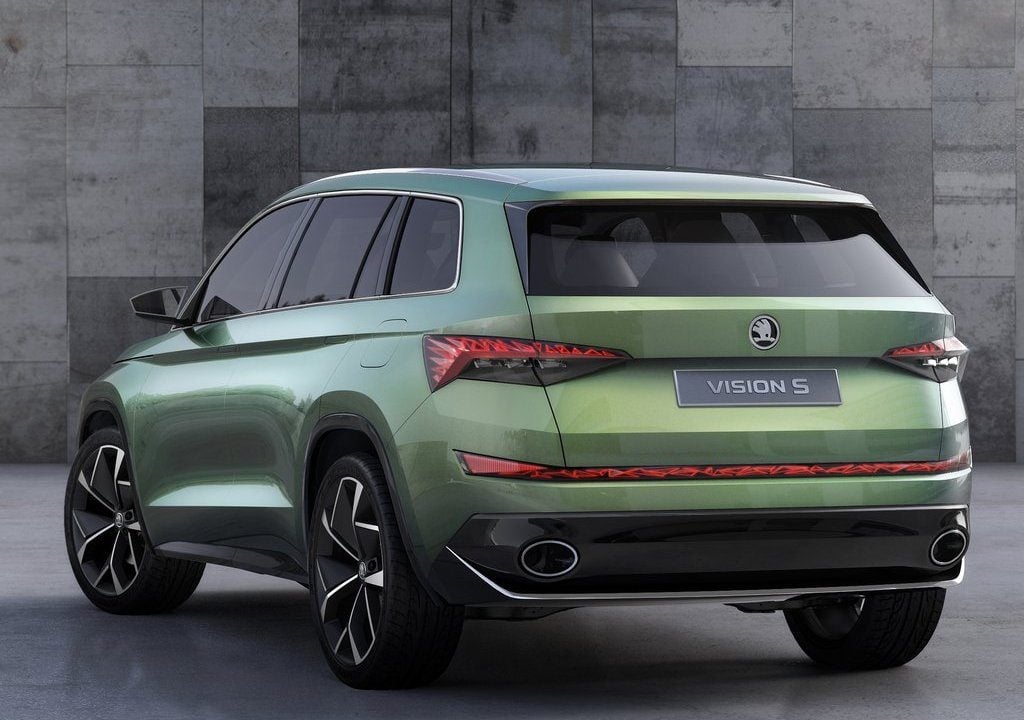
Powerful exterior with distinct 3-dimensional lines, that 's the All-New Kodiaq from Skoda, premieres in September.

  • Powerful exterior with distinct three-dimensional lines
  • Elegant appearance thanks to clear interior lines
  • Largest boot in its class, optional foldable third row
The ŠKODA Kodiaq, which will celebrate its world premiere in September, makes a strong statement with an impressive combination of powerful design and generous space. 
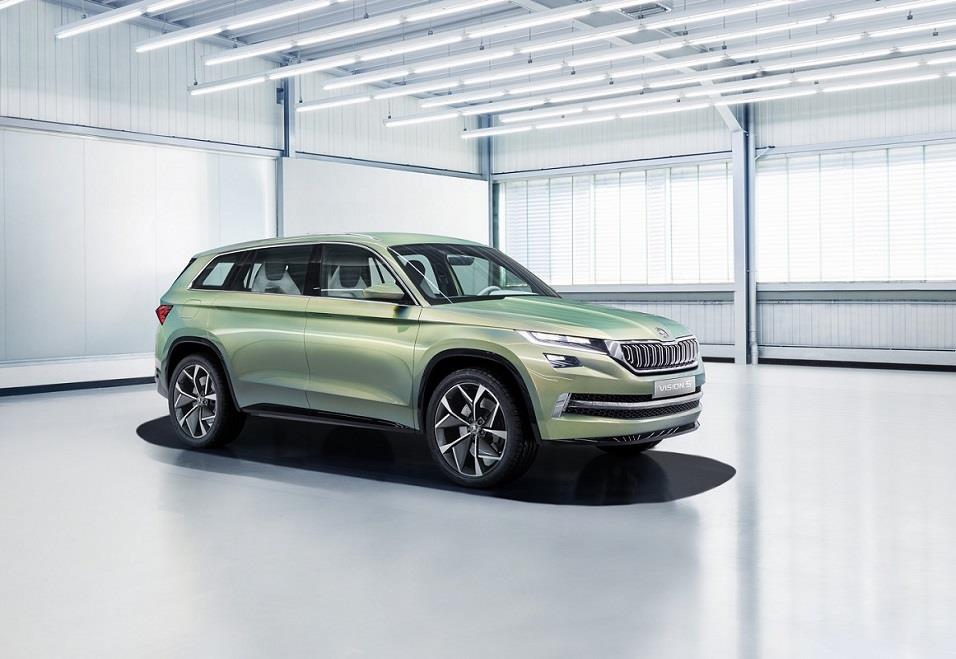
The exterior is clear-cut, the lines are distinctly three-dimensional – giving the new ŠKODA SUV an unmistakeable presence on the road. The interior is also characterised by clear lines and impresses with generous space alongside its elegant appearance.

Jozef Kabaň, ŠKODA’s Head of Design, and his team have opted for a striking design language for the ŠKODA Kodiaq, which transfers the brand’s new design style into the SUV segment. Rationality and aesthetics work together unmistakeably here. 
As the design sketch already shows, all lines are clear, precise and sharp; the highly recessed shoulder line highlights the large ŠKODA SUV’s robust character. Flat, raked headlights are positioned on both sides of the wide ŠKODA grille. 
Their crystalline structure pays hommage to Czech crystal glass art, which is steeped in tradition.
The extensively sculptured rear section also accentuates the ŠKODA Kodiaq’s sporty, robust SUV character. The LED rear lights are designed in the brand’s typical C-shape, continuing the ŠKODA SUV design lines in great detail. 
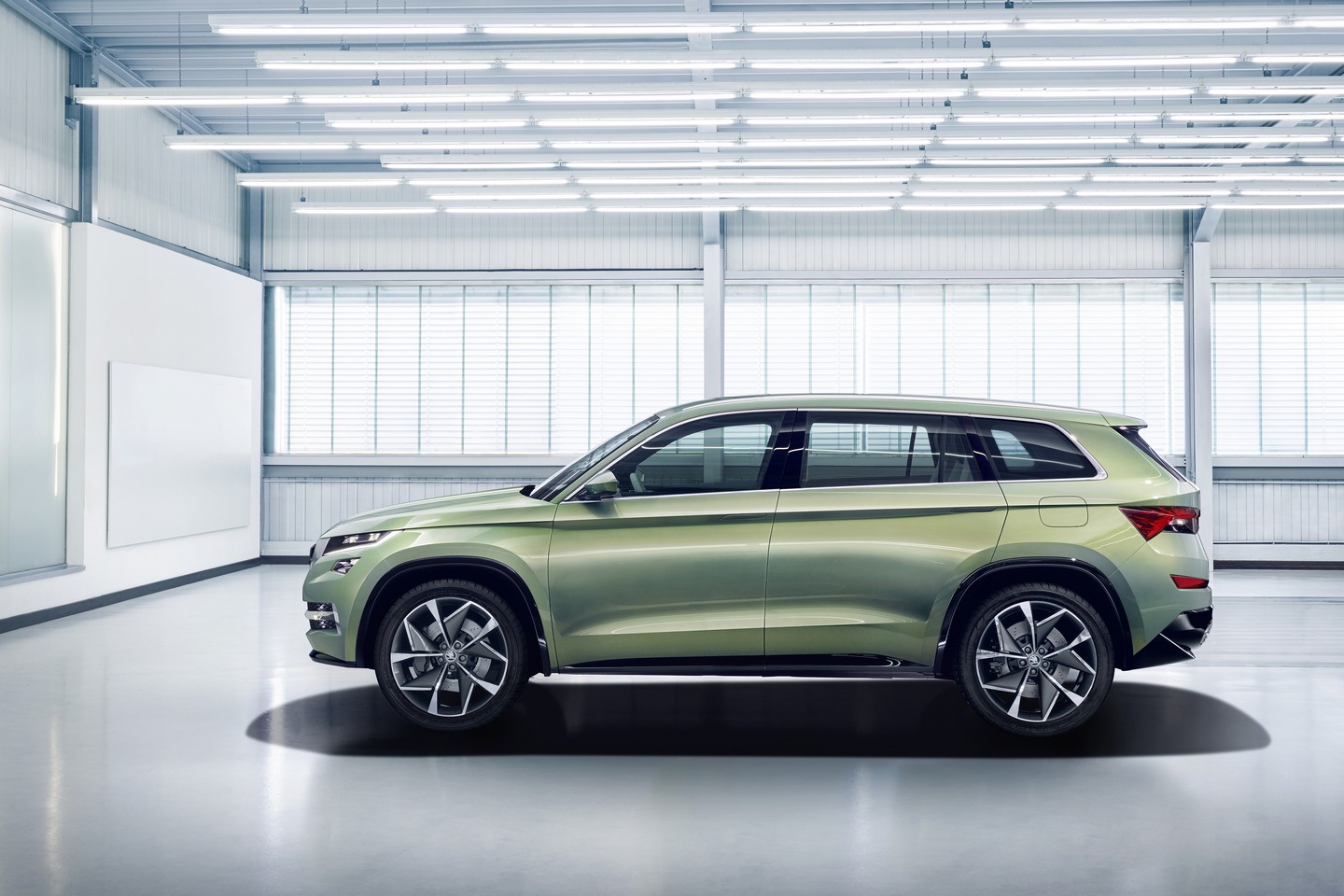
The side view is equally as strong. The long wheelbase and short overhangs point to the spacious interior. The SUV is available with two extra seats in the third row as an optional extra.
With its clear design, the interior continues the striking design of the exterior. Even here, form and functionality stand together in unison: the interior comes across as protective and robust, but also impresses with an elegant character. The atmosphere is timeless and functional. All the features exude clarity and tranquillity.
Strong vertical elements, like the four large air vents, are characteristic of the interior. The large display splits the instrument panel into two equal sections for the driver and passenger. The front of the instrument panel is three-dimensional and divided into two areas. The door trims carry on this design approach. Finely cut, crystalline features add a special touch.
Interview with Jozef Kabaň, ŠKODA’s Head of Design: “ŠKODA is becoming much more emotive”
Mr Kabaň, what does the design of the ŠKODA Kodiaq mean for the brand?


Jozef Kabaň: The ŠKODA Kodiaq is a pioneer for our brand in two respects. We are entering a new segment with our first large SUV above the Yeti. And at the same time, the Kodiaq is the first model with the new ŠKODA SUV design language. It is powerful and emotive, but also timeless.

What is special about the design language of your large SUV?
Kabaň: The ŠKODA Kodiaq is extremely versatile. It is exceptionally spacious and with compact external dimensions, it delivers the best overall package in its class. It is also robust, suits all types of terrain and offers the best flexibility and functionality. We wanted to visualise this in the exterior design as well as the interior. Form and functionality are therefore in harmony in the ŠKODA Kodiaq. The crystalline and striking appearance also underlines the strength and character of the ŠKODA Kodiaq.
How does one combine design and functionality?
Kabaň: We aspire to combine the highest degree of aesthetics with maximum functionality in such a way that one no longer speaks of different criteria. We are searching for beauty in simplicity, without disregarding functionality or ergonomics. A good design makes functionality attractive. This balance of functionality and aesthetics makes our ŠKODA Kodiaq special.
What role does Czech crystal glass art play in this?
Kabaň: Every detail of our models tells a story, that is the emotive power of the brand. We were inspired by traditional Czech crystal glass art for the crystalline elements of the ŠKODA Kodiaq. The lines are clear, precise and sharply drawn. The distinctive interplay of light and shade on the strongly contoured surfaces is distinctive. The crystalline structure is also present in the details, such as the headlights or decorative trims.
You can see the creativity and great attention to detail that also went into designing the interior. What do you consider the most interesting design feature of the ŠKODA Kodiaq's interior?
Kabaň: We are carrying the exterior’s wide, clear lines forward into the interior. And the emphasis here is on the harmony between form and functionality, on calm and clarity. For me, a car has to function perfectly and also radiate aesthetics. An interior should spark feelings of trust and well-being. From this philosophy, we have created an atmosphere that is also elegant, comfortable and functional at the same time.

Friday, 20 May 2016

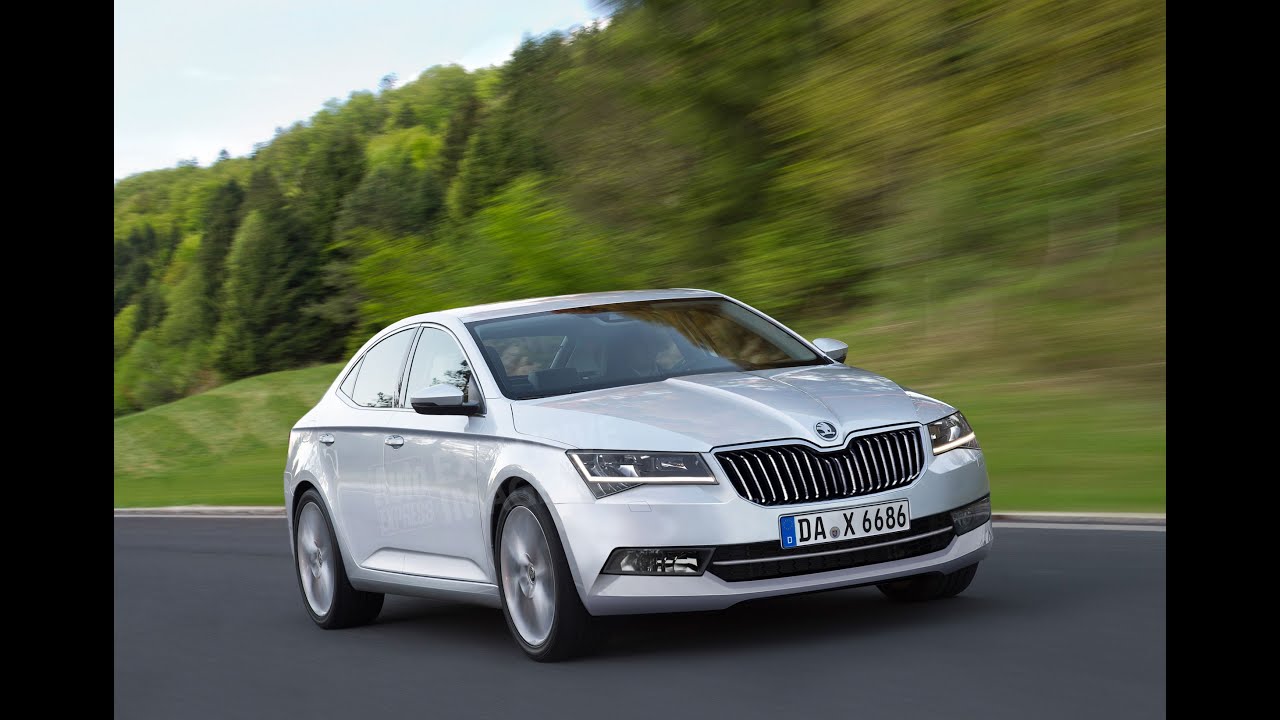
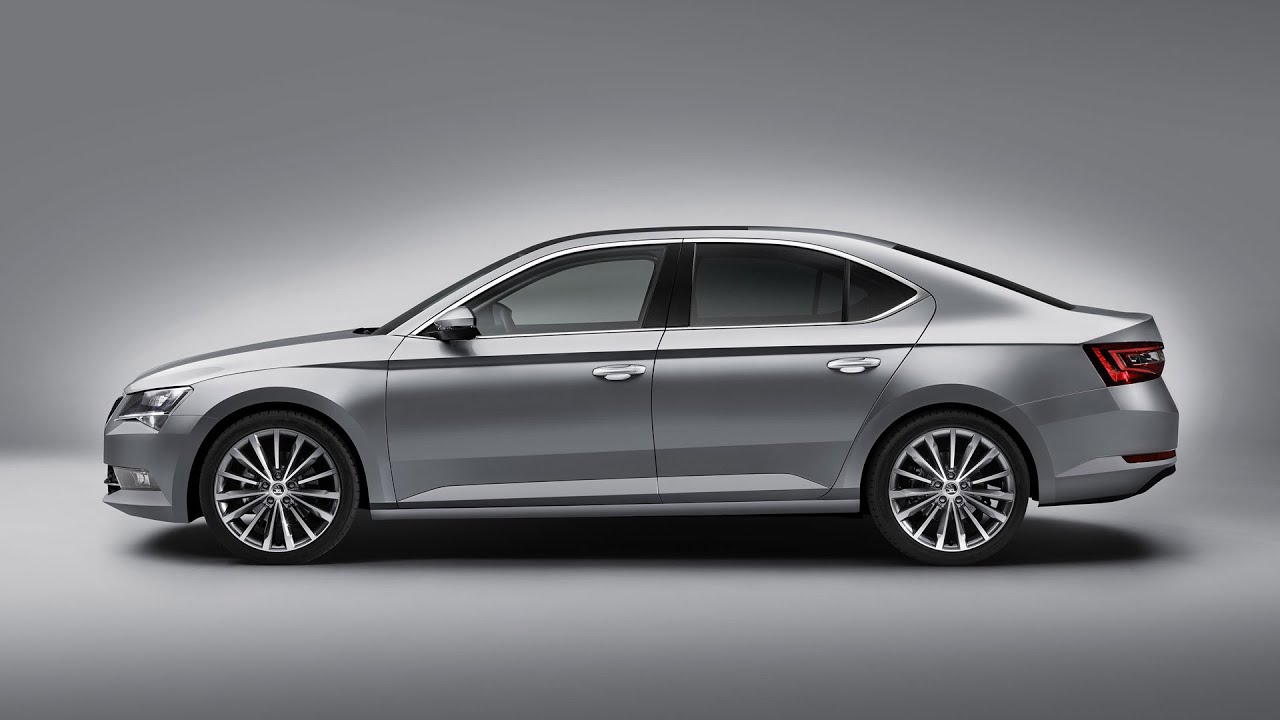
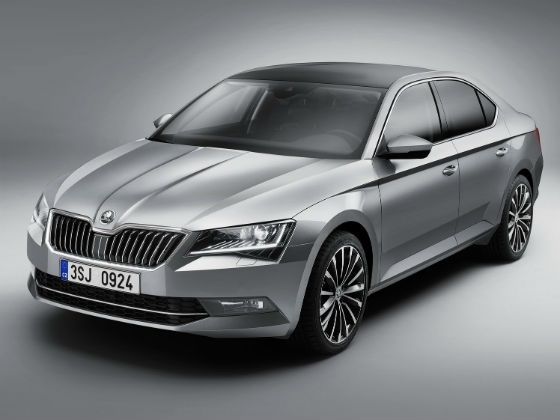
The 100,000th third generation, Skoda Superb has rolled of the production line, just a year after going on sale.

  • Since 2001, more than 850,000 ŠKODA Superb models have been manufactured; 100,000 third-generation ŠKODA Superbs since March 2015
  • Brand’s flagship in demand across all markets
  • Substantial investments into ŠKODA Kvasiny plant, and employee recruitment
ŠKODA has produced 100,000 third-generation Superbs. The milestone vehicle ran off the assembly line at the ŠKODA plant in Kvasiny on 11th May 2016. Since the model was introduced in 2001, the Czech manufacturer has produced more than 850,000 Superbs and the production capacity at Kvasiny has been expanded and modernised for the production of ŠKODA’s flagship.
“The production of this highly modern car is a testament to the outstanding competence of the Kvasiny plant and its employees,” said Michael Oeljeklaus, ŠKODA AUTO Board Member for Production and Logistics, adding: “The name Superb represents one of the best and most successful models in the automotive mid-class. This third-generation model will continue the Superb’s success story in the coming months and years.”

Since production began in March 2015, the latest ŠKODA Superb has demonstrated the emotional power of the brand with its new design. ŠKODA has now produced one hundred thousand third generation ŠKODA Superbs. Never before has a ŠKODA showcased so much technology, space and design in one package.
There are a host of new assistance systems from higher vehicle classes ensuring increased safety, better environmental protection and higher comfort levels. The third-generation Superb is more powerful and up to 30 percent more economical thanks to the new EU-6 engines.
The success of this model has not only been demonstrated by the high number of orders, but also by receiving numerous awards such as the 'Red Dot Award' for excellent product design and the title 'Car of the Year' in many European countries.
Since 2001, the ŠKODA Superb model family has crowned ŠKODA’s range. This ties the Czech automaker to its tradition of prestigious vehicles such as the Laurin & Klement FF, dating back to 1907 which was the first eight-cylinder model in Central Europe. In the 1920s, the first president of Czechoslovakia Tomáš Garrigue Masaryk, owned the luxurious ŠKODA Hispano-Suiza; the eight-cylinder ŠKODA 860 was an impressive sight in the early 1930s. And in 1934 the first ‘Superb’ rolled off the production line: the ŠKODA 640 Superb.
The new generation Superb first appeared in 2001, and customers have always appreciated this model’s overall package: space, elegant design, tried and tested technology, high levels of comfort, safety, functionality and excellent value for money. 
The second generation arrived in 2008: A vehicle with new, versatile uses, more technology and a timelessly elegant design. 
The ŠKODA Superb has also been available as an estate since 2009, and the third-generation estate version of the Superb has been running off the production lines since June 2015.
At the Kvasiny plant, the company made significant investments ahead of the new ŠKODA Superb’s start of production. A total of CZK 1.7 billion went into the new body-construction line alone and the Kvasiny site is being prepared for the brand’s SUV campaign. By 2018, ŠKODA intends to invest a total of CZK 7.2 billion into Kvasiny and create 2,000 new jobs. The production capacity will be gradually increased to 280,000 vehicles annually. Kvasiny is one of ŠKODA’s three production sites in the Czech Republic and the site currently employs more than 5,000 people, and is one of the largest industrial employers in the Hradec Králové region.

Wednesday, 6 April 2016

The Jubilee celebrations start now, 20 years, 5 Million Units, three generations, thats the Octavia from Skoda.

  • April 1996: ŠKODA introduces the first generation ŠKODA Octavia
  • Bestseller: five million ŠKODA Octavias sold over two decades
  • Modern technologies guarantee safety, comfort and efficiency
One of the most successful model series in the automotive world made its debut 20 years ago: In 1996, ŠKODA AUTO presented its Octavia saloon for the first time to international media representatives. Over the following two decades, the Octavia became a worldwide hit and is still the traditional Czech automaker’s best-selling model. The vehicle has been instrumental in the successful development of the ŠKODA brand.
The ŠKODA Octavia is celebrating an important milestone with impressive interim results: In the 20 years since the debut of the first ŠKODA Octavia, five million customers around the world have opted for one of the various Octavia models offered. Its combination of above-average space,modern engines and safety features at an attractive price was to be the inspiration for all the brand’s later models.

Approximately one year after the Czech brand had joined the Volkswagen Group in 1991, the development of the completely new ŠKODA Octavia model series was underway. This was based on what was then an entirely new platform, developed at Group level in parallel with the conception of the Octavia. The engineers constructed a robust body structure with the help of modern CAD (Computer Aided Design) technology, while the ŠKODA design team created a timeless and unmistakable body shape, at the ŠKODA development centre in Mladá Boleslavled by Chief Designer Dirk van Braeckel.
The developers paid close attention to active and passive safety. In addition to front airbags, the brand offered side airbags for the first time. A special feature of the new compact was the practical liftback solution: The large rear door of the hatchback model allowed for excellent access to the 528-litre boot, which grew to as much as 1,328 litres by folding the rear seats down.
In 1996, the year the model was first released, customers could choose between two four-cylinder petrol engines and one turbo diesel drivetrain. The entry-level engine was the 1.6 MPI with 75 hp, the 1.8 20 V positioned above that brought it to 125 hp and the modern turbo diesel direct-injection 1.9 TDI generated an output of 90 hp, giving an average fuel consumption of over 55mpg. ŠKODA gradually expanded its engine range to include the particularly economical 1.9 SDI with 68 hp and the 1.8 20 V turbo with 150 hp.
The first Octavia Estate celebrated its world premiere in March 1998 and quickly became a bestseller, particularly in Europe. In 1999 a four-wheel drive Octavia Estate made its debut.
The Octavia/Octavia Estate name refers to the successful model of the same designation,of which ŠKODA produced approximately 364,000 units between 1959 and 1964 in Mladá Boleslav and Kvasiny. The Latin word ‘octavia’ means ‘the eighth’, relating to ŠKODA’s eighth automobile of the ‘modern era’ with independent suspension following the debut of this technology in 1933.
For the new Octavia series, ŠKODA built a new production line in a 37,500-square-metre hall at the Mladá Boleslav plant, followed by a new paint shop processing up to 1,800 vehicles per day. The new production line commenced operations on April 3, 1996. The capacity of the main plant increased by 90,000 units to 350,000 vehicles annually and ŠKODA became the largest industrial company in the Czech Republic.
The last vehicle of the first series eventually rolled off Vrchlabí’s production line in November 2010. From 1996 to 2010, ŠKODA delivered a total of 970,000 hatchbacks and over 470,000 estates to customers worldwide.
The second-generation Octavia continued unabated the success of its predecessor. ŠKODA sold a total of 1.6 million hatchbacks and 900,000 estates between 2004 and 2013. Technologies, such as direct-injection petrol engines, and the directshift gearbox (DSG) made their debut in the Octavia II.
The third-generation Octavia,an important cornerstone of ŠKODA’s model range, has been running off the production lines since November 2012. At the end of March 2016, the one millionth vehicle of this model generation was produced at ŠKODA’s main production facility in Mladá Boleslav.
The traditional Czech brand has manufactured a total of five million Octavias since the ŠKODA Octavia was first launched in 1996. In addition to Mladá Boleslav, the ŠKODA Octavia is also produced in China, India, Russia and Kazakhstan.