Purpose

I will try my best to provide detailed info on various cars and what is like to live with them, I have already produced a few for Jaguar-car-forums, I will do my best to be unbiased, but it will be hard for some cars. I will re-produce press releases and copy from other motoring news.
Showing posts with label iran khodro. Show all posts

Saturday, 29 October 2016

PSA Group announces its third quarter statement with an over growth, but certain global area's show decreases.

  • 2016 Group cumulated revenue up 1.3% at €39.2 billion[1] at constant exchange rate
  • Continued improvement of pricing power in Europe
  • Start of the product offensive: launch of Peugeot Expert and Citroën Jumpy in June, Peugeot 3008 in October and Citroën C3 in November
  • Faster international expansion: partnerships signed in Iran with Iran Khodro for Peugeot and Saipa for Citroën
  • Enlarge customer base: online multi-brand used vehicle sales and rollout of mobility services
Group Q3 2016 revenue totalled €11,404 million, compared with €12,016 million in Q3 2015. In the first nine months, Group revenue reached €39,183 million, compared with €40,052 million in 2015, up 1.3% at constant exchange rates.
Automotive division revenue was €7,542 million, compared with €8,052 million in Q3 2015. Negative exchange rate effects (-4.7%) were partially offset by the positive price impact (+1.8%), reflecting the policy of improving the price positioning of the three brands, Peugeot, Citroën and DS.


Consolidated worldwide sales were up 10.6%2. Ahead of major product launches in the fourth quarter, which are not yet visible in registrations, sales volumes declined in Europe (-4.3%) and China (-16.5%). In Latin America, they were up 22.6%. In Africa Middle East, volumes increased, driven by sales of vehicles manufactured in Iran under Peugeot licence[2].
As of end-September 2016, inventories totalled 400,000 vehicles[3] (382,000 in the same period last year).
Jean-Baptiste de Chatillon, Chief Financial Officer of the PSA Group and member of the Managing Board, said:“The levers of the Back in the Race plan, especially pricing power and cost reduction, make us confident that we will achieve the objectives of the Push to Pass plan, despite a more challenging external environment, particularly in respect of exchange rates.”
Market outlook
For 2016, the Group expects the automotive market to grow by about 6% in Europe and 15% in China, and to shrink by around 6% in Latin America and 15% in Russia.

Operational targets
The Push to Pass plan, has set the following targets:

  • Reach an average 4% automotive recurring operating margin in 2016-2018, and target 6% by 2021;
  • Deliver 10% Group revenue growth by 20184 vs 2015, and target additional 15% by 2021[4].
Financial Calendar – 23 February 2017: 2016 Annual Results
Appendix
Revenue YTD September 2016 versus YTD September 2015
In million euros9M 2015*9M  2016Change
Automotive27,46126,732-729
Faurecia13,81113,773-38
Other businesses and eliminations**(1,220)(1,322)-102
Group revenue40,05239,183-869
Revenue Q3 2016 versus Q3 2015
In million eurosQ3 2015*Q3 2016Change
Automotive8,0527,542-510
Faurecia4,3234,241-82
Other businesses and eliminations**(359)(379)-20
Group revenue12,01611,404-612
* restated according to IFRS5 (Faurecia Exteriors division)
** Including remaining activities of PSA Finance

Friday, 22 July 2016

PSA Group and SAIPA have signed an agreement to restart production in Iran of new cars.

The PSA Group and Saipa, Citroën's historic partner in Iran since 1966, have signed a framework agreement to create a joint-venture to produce and sell Citroën vehicles in Iran.
This 50/50 joint venture lays the foundations for a strategic partnership between the two companies. It will cover the entire value chain, from the design stage right through to vehicle marketing. Manufacturing will take place at the Kashan plant in Iran, which will be 50%‑owned by the PSA Group.
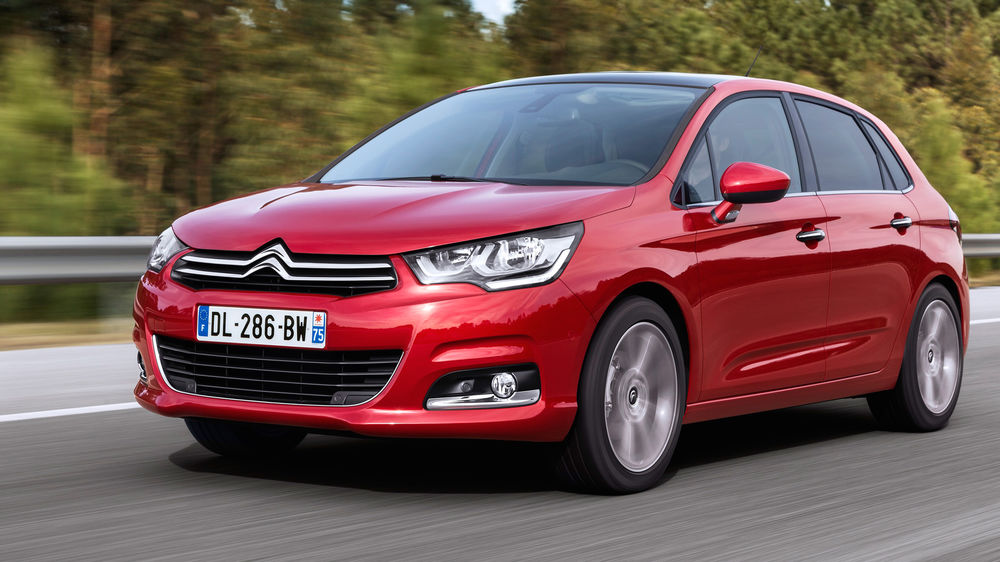
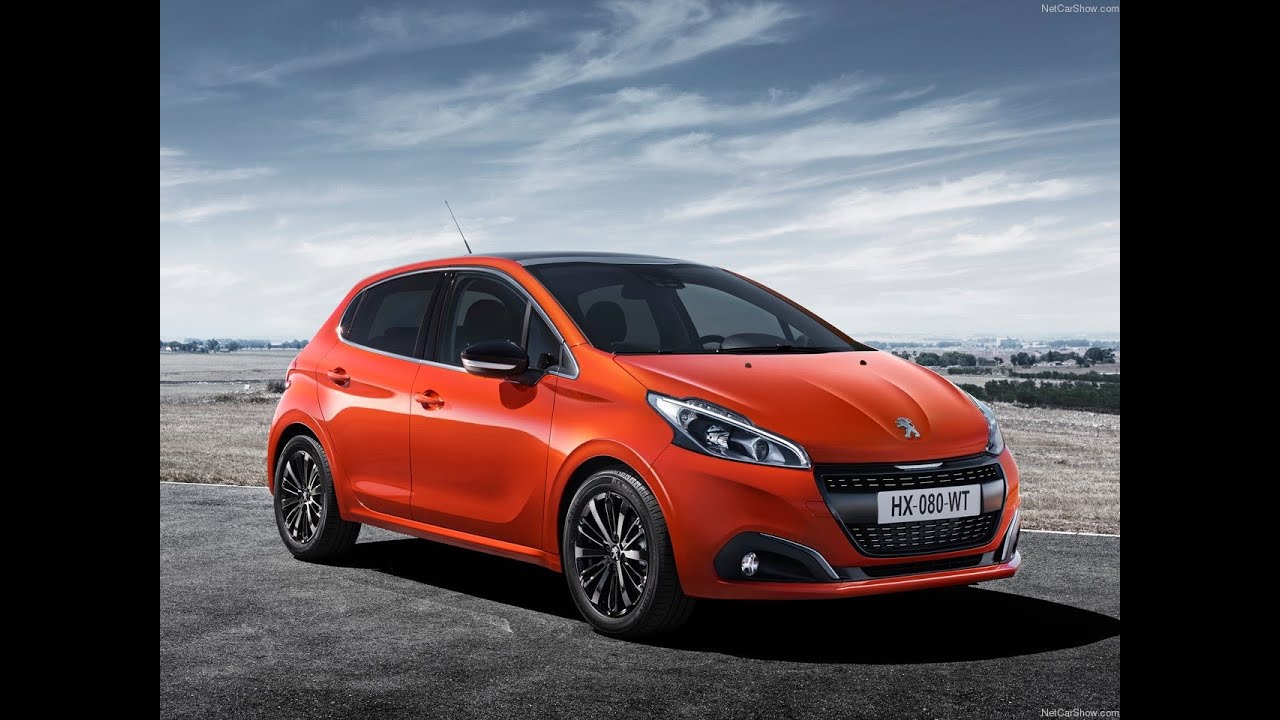
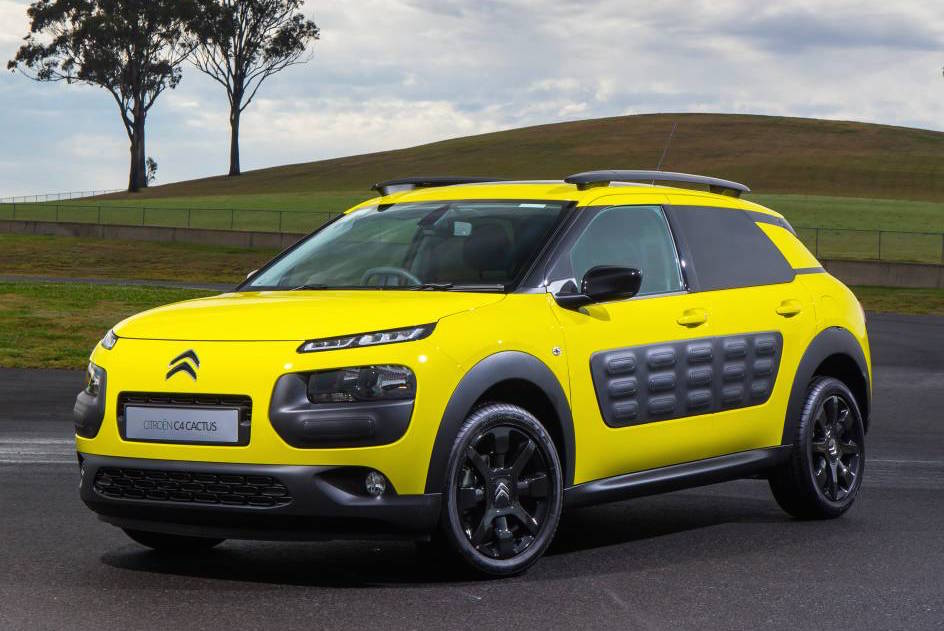
ALL PICTURES ARE FOR ILLUSTRATIVE PURPOSES ONLY, NO VEHICLES
HAVE OFFICIALLY BEEN ANNOUNCED FOR PRODUCTION AS OF YET.

The joint venture will invest more than €300 million in manufacturing and R&D capacity over the next five years. The agreement will be backed up by technology transfers and a significant level of local content. It will take effect following the signature of the definitive agreement, scheduled for late 2016.
The end of the ramp-up of the first Citroën vehicle will be reached in 2018 in Kashan plant.
Present in Iran since 1966, the Citroën brand will be staging its comeback in the country with the launch of three vehicles specifically designed for the local market. Citroën models will be sold throughout the country via a network dedicated exclusively to the brand.
Commenting on the new agreement, Carlos Tavares, Chairman of the PSA Group Managing Board, said: "This agreement opens up a new chapter in our history of cooperation with SAIPA. Our aim is to provide our Iranian customers with modern vehicles that meet the highest comfort, safety and technology standards." 

Saturday, 25 June 2016

PSA Group & Iran Khodro signed the final joint venture agreement to produce latest-generation vehicles in Iran.

On Tuesday 21 June 2016, the PSA Group and Iran Khodro signed the final joint venture agreement to produce latest-generation vehicles in Iran.
The agreement not only marks the beginning of a new chapter in the two partners' history but will also open up new possibilities for customers in Iran, who will be offered vehicles built to the highest comfort, safety and environmental standards in this long-standing Peugeot market.

Commenting on the agreement, Jean-Christophe Quémard, Executive Vice-President, Middle East & Africa, said: "Today marks a crucial milestone in our project with Iran Khodro. The two partners conducted discussions as announced during President Hassan Rouhani's visit to Paris in January 2016. I am proud to be bringing the best in PSA Group technology to our Iranian customers."
This 50/50 joint venture is expected to invest up to €400 million over the next five years in manufacturing and R&D capacity. This investment will contribute to the development of a competitive manufacturing base for producing, launching and marketing Peugeot 208, 2008 and 301 models, fitted with latest-generation engines.
The agreement provides for:
  • The creation of a joint venture on an industrial site in Tehran to produce new latest-generation Peugeot vehicles, on a platform that will also be used by Iran Khodro to develop its own vehicles.
  • The capacity to export joint-venture products across the region.
  • The restoration of contractual relations for the production of Peugeot-branded vehicles currently sold in Iran.
The first vehicles will roll off the production line at the Tehran plant in the second half of 2017.
The Iranian market reached a peak of 1.6 million vehicles in 2011. It should quickly regain this level and reach 2 million vehicles a year by 2022. Current estimates put the number of Peugeot cars on the road in Iran at more than 4 million.
Iran is a key component of PSA's development strategy in the Middle East & Africa region, which is the PSA Group's third-fastest growing international market.

Monday, 1 February 2016

PSA continues it's push back into Iran with a €400 Million investment to produce new models.

During President Hassan Rouhani's state visit to Paris, PSA Peugeot Citroën, which has operated in Iran for more than 30 years, and Iran Khodro signed a joint venture agreement to produce latest-generation vehicles in Iran.

This 50/50 joint venture lays the foundations for a strategic partnership between the two companies. This joint venture is expected to invest up to €400 million over the next five years in manufacturing and R&D capacity. This investment will contribute to facilitating the development of a competitive manufacturing base for producing, launching and marketing Peugeot 208, 2008 and 301 models, fitted with latest-generation engines.
The agreement provides for:
  • The restoration of contractual relations concerning the manufacture of Peugeot-branded vehicles currently produced in Iran
  • The creation of a joint venture on an industrial site in Tehran to produce new latest-generation Peugeot vehicles on a platform that will also be used by Iran Khodro to develop its own vehicles
  • The capacity to export JV products across the region
Coming one week after international sanctions were lifted, this agreement marks the beginning of a new chapter for both partners. The agreement, which will be backed up by technology transfers and significant levels of local content, will come into effect once it is implemented, i.e., around mid-2016.
The first vehicles will roll off the production line at the Tehran plant in the second half of 2017.
The Iranian market reached a peak of 1.6 million vehicles in 2011. It should regain this level within 2 years to reach 2 million vehicles a year by 2022. Current estimates put the number of Peugeot cars on the road in Iran at more than 4 million.
Iran is a key component of PSA development strategy in the Middle East & Africa region, which is PSA Peugeot Citroën's third-fastest growing international market. The Group sold 180,200 vehicles in the region in 2015, up 6.4%.
In turn, Iran Khodro plan to capitalize on the technology transfer.
Commenting on this new agreement, Carlos Tavares, Chairman of PSA Peugeot Citroën's Managing Board, said: “This strategic agreement turns the page on the period of international sanctions and enables PSA and Iran Khodro to start a new chapter in their 30-year history of co-operation. Our shared ambition is to offer our loyal customers high-tech products to deliver mobility that meets the highest comfort, safety and environmental standards.”
Dr: Hashem Yekehzare, President and CEO of IKCO states: “The strategic partnership with PSA will serve as a unique platform, for both parties to capitalize on each other’s competitive advantages; especially given the scale, technology and long term outlook that the parties are able to bring to their co-operation. A particular benefit of this partnership is to bring cost effective and the best automotive technology to the customers.”

Sunday, 31 January 2016

Renault has announced investment & large scale growth & model launches in Iran now sanctions have been lifted.

  • For more than ten years, Groupe Renault has been active in Iran and consistent in its strategic choices.
  • Since 2003, Renault and its Iranian partners, SAIPA and IRAN KHODRO, have produced close to 500,000 vehicles.
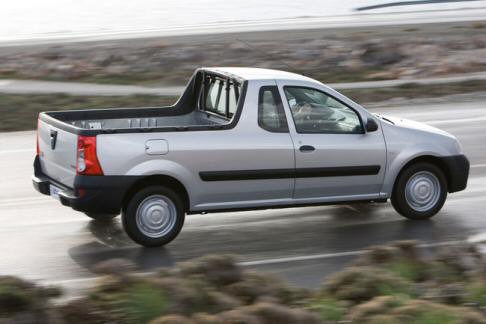
  • Following the launches of the Logan Pick-up and the Sandero in 2015, Renault and its Iranian partners are stepping up their cooperation and preparing the introduction of other models.
During President Rouhani’s visit to France, Groupe Renault reaffirmed Iran’s position since 2003 as a very important market for company strategy, characterised by two key words: calm and consistent.

For more than ten years without interruption, Renault Pars, a joint venture with Iran’s two main auto manufacturers, Saipa and Iran Khodro, has enabled the Group to produce nearly 500,000 vehicles in the country.
In 2015, two new vehicles were manufactured: the Logan Pick-up with Iran Khodro and the Sandero with Saipa. These models are the latest additions to a line-up that has met with success among the Iranian people.
Thanks to the lifting of economic sanctions against Iran on January 16, and as soon as smooth relations have resumed between French and Iranian banks, Renault will considerably intensify operations in Iran and prepare future model releases in association with its two local partners.
With a market amounting to two million vehicles by 2020, Iran has undeniable potential. Renault has ambitious plans in Iran and advanced discussions are currently underway with Saipa and Iran Khodro to step up our presence, develop our structures and support the automobile sector in Iran,” said Bernard Cambier, Director of the Africa-Middle East-India region.
In 2015, Group sales in Iran soared by 56.1% compared to 2014, to reach a total of 51,500 vehicles and 4.8% of market share.

Tuesday, 6 August 2013

Renault wants to return to the key Iranian market

Renault wants to return to the key Iranian market as soon as the political situation eases but has little visibility when that will happen.
Renault was forced to halt shipments of knockdown kits to Iran on July 1 when the U.S. government extended economic sanctions over the country's nuclear program to the automobile sector.
Renault was one of the last large European companies still active in Iran and its withdrawal from the country is a blow for the automaker.

With a volume of 100,783 vehicles sold in the country last year, Iran was Renault's eighth-biggest global market by sales, above No.9 Italy where Renault sold 96,144 units and Spain where it sold 83,366 cars. The automaker had a 10 percent market share in Iran in 2012.
Renault builds the Logan and Megane in Iran with Tehran-based partners Iran Khodro and Paris Khodro.
A Renault spokesperson told Automotive News Europe that the automaker is waiting for the sanctions to be lifted or the political situation to change before it begins shipping CKDs to Iran again, but said the company has little visibility when that will be.
Production of Renault vehicles in Iran will wind down when the kits already shipped to the country run out in the coming weeks. The production infrastructure in Iran used to build Renault cars will remain in place indefinitely, the spokesperson said.
Renault was forced to write off the entire value of its Iran operations leading to a 512-million-euro ($680-million) charge against its second quarter earnings.
Renault's shipments of kits to Iran fell 48 percent to 28,082 units during the first half.


Read more: REPORT HERE