Purpose

I will try my best to provide detailed info on various cars and what is like to live with them, I have already produced a few for Jaguar-car-forums, I will do my best to be unbiased, but it will be hard for some cars. I will re-produce press releases and copy from other motoring news.
Showing posts with label 20 years. Show all posts

Thursday, 2 February 2017

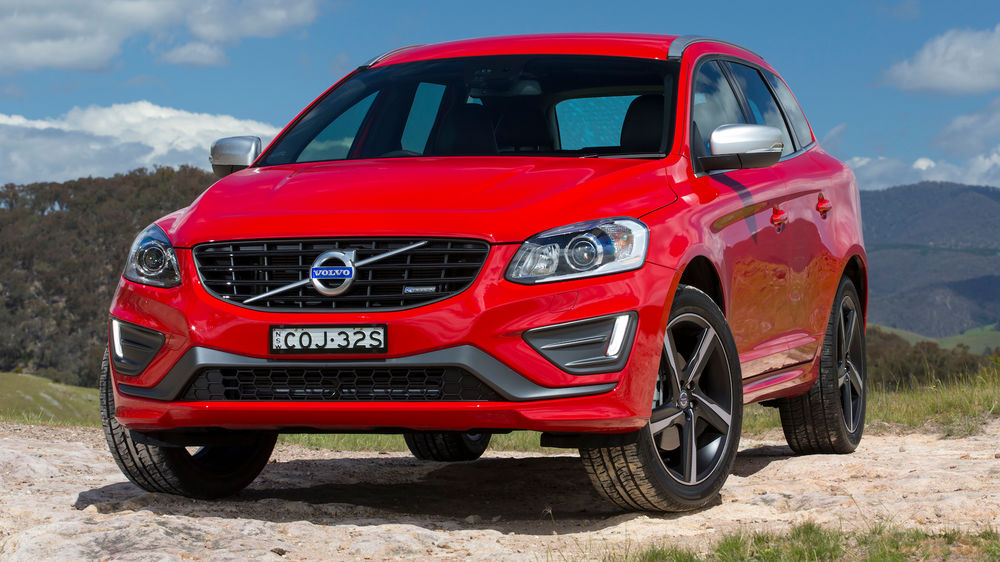
Volvo Cars, the premium carmaker, is celebrating 20 years of mechanical All-Wheel Drive

Volvo Cars, the premium carmaker, is celebrating 20 years of mechanical All-Wheel Drive (AWD) by putting some of its most capable cars through their paces on the frozen lakes around the Northern Swedish ski resort of Åre.
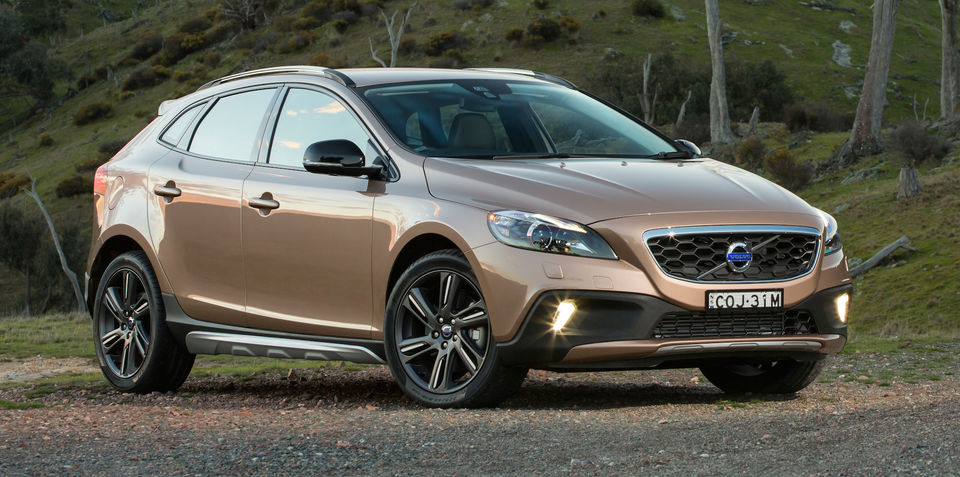
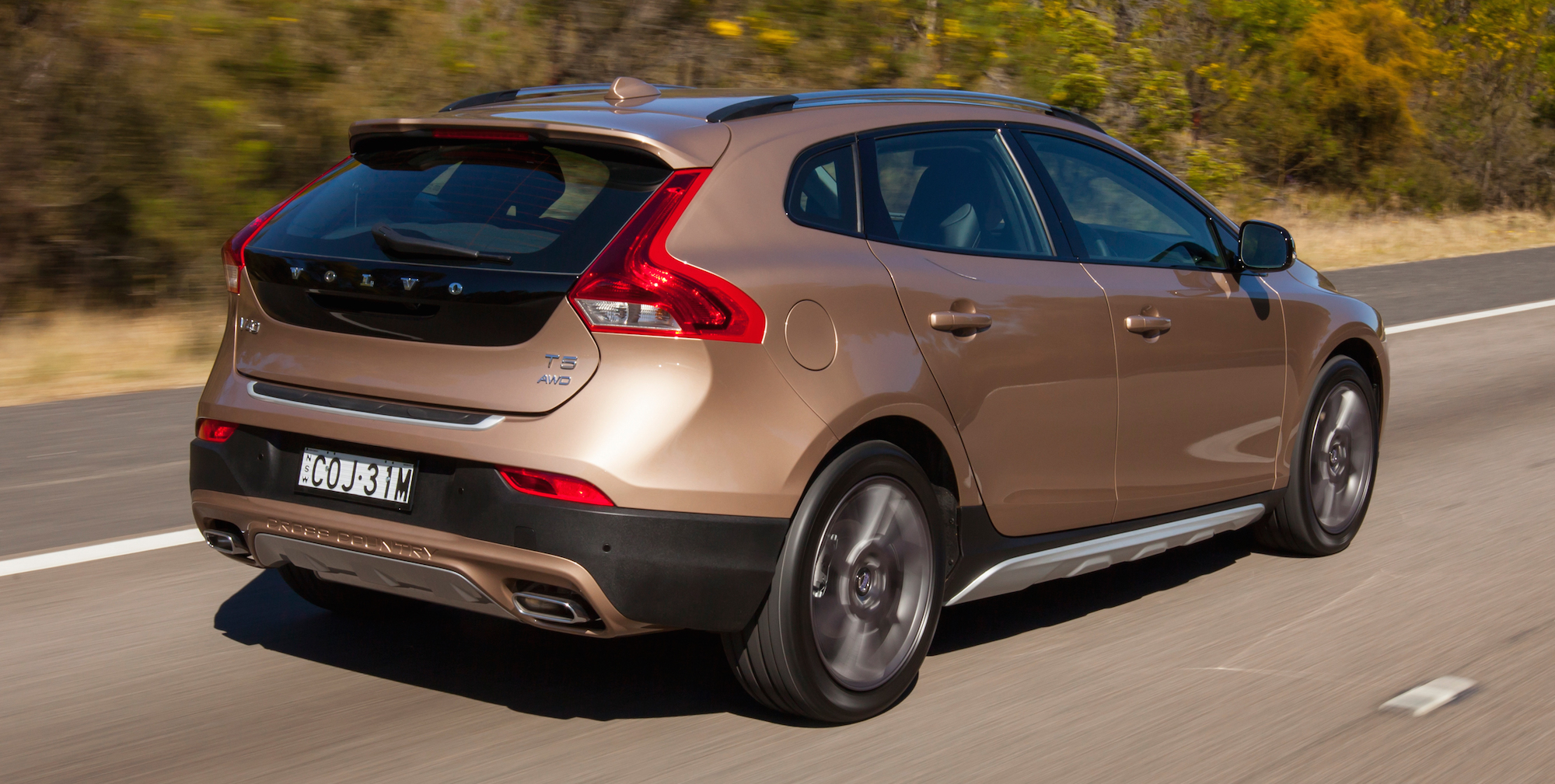
The Swedish car maker is running a winter test drive showcasing its leading mechanical and new electric All-Wheel Drive solutions on the all-road, all-weather XC90, V90 Cross Country and V40 Cross Country models.
“Volvo cars are well known for what we call ‘framkomlighet’ in Swedish – the ability to get you wherever you want to go – regardless of the weather conditions.

This is an important part of our heritage and a clear reflection of who we are and where we come from. With the recent addition of electric All-Wheel Drive to our top-of-the-line products we have further refined our performance in this important area,” said Henrik Green, Senior Vice President, Research & Development at Volvo Cars.
Advances in AWD technology mean that improved handling, stability and traction continue to provide a confident, agile and enjoyable driving experience while reducing fuel consumption.
“Electrification will bring ever more flexibility to AWD. You can see the first signs of this in our XC90 T8 Twin Engine, where we have an electric rear-axle drive unit powering the rear wheels. 
As we move to full battery electric vehicles and other powertrain applications, we will see increased opportunities to control each motor and wheel independently, based on either the surface conditions or the desired driving style,” said Henrik Green.
As AWD technology has advanced, the weight of mechanical systems has come down and efficiency has improved. Since the introduction of efficient ‘Active On Demand’ technology, all four wheels are always engaged to allow for the instant distribution of torque to the rear wheels when needed. 
The actual torque applied is controlled to constantly deliver the right properties regarding handling, stability and traction at any moment. Volvo Cars’ current mechanical AWD system is modular in design and used on all Volvo models.
“We understand the needs of our customers. We understand the need for a flexible AWD solution that quickly and automatically adapts to different real-world, all-weather circumstances. 
AWD is as much a safety feature as it is a vehicle dynamics system and we are committed to delivering a confident, balanced and enjoyable driving experience that delivers a feeling of full control,” added Henrik Green.
All-Wheel Drive variants account for over 50 per cent of new 90 Series car orders for the Swedish carmaker. Across the wider Volvo Cars model range, the figure is over 40 per cent.

Wednesday, 14 December 2016

4 million sales, three generations and 500,000 UK sales, that will be 20 years of the Audi A3

Stellar four million sales success for the premium compact model since 1996
  • Originator of the premium compact segment celebrates its A3 anniversary
  • More than four million units delivered worldwide since 1996
  • Over 500,000 deliveries in the UK alone over two decades
  • From three-door to Cabriolet to the flagship RS 3
The brand with the four rings is celebrating the anniversary of its mainstay, the Audi A3. The successful Audi model debuted 20 years ago at the Frankfurt Motor Show (IAA) in Frankfurt am Main, Germany. 
Today the premium compact is available in a choice of four body styles, four drive systems and a broad selection of trim lines.
Audi introduced the Audi A3 at the Frankfurt Motor Show (IAA) in 1996. The car was developed from the ground up on the basis of the Golf IV platform, which followed in 1997. 
From the very first generation, the Audi A3 has boasted innovations and quality features from higher model classes, making it the founder of the premium compact class. 

The A3 initially was available exclusively as a three-door hatchback in three trim lines and with four different petrol and diesel engines. 
In September 1998, Audi brought quattro permanent all-wheel drive to the compact segment for the first time in the A3. A five-door variant joined the model series in March 1999.
And the brand reached a milestone with the first generation of the high-performance Audi S3 in the spring of that same year: the 1.8 litre, inline four-cylinder engine with turbocharging and five valves per cylinder produced 210PS.
The split grille still used in the second-generation Audi A3 was replaced in 2005 by the Singleframe, which went on to become the brand’s defining design element. Audi also expanded the A3 family to include its first open-topped variant: The A3 Cabriolet launched in 2008 with a classic cloth top.
Now in the third generation, the Audi A3 is available for the first time as a saloon. This version of the A3 celebrated its premiere at the 2012 Geneva Motor Show. In 2016, each and every variant in the entire model series received a technology update.
The Audi RS 3 Sportback is the spearhead of the model series. The first generation was launched in 2011 with a 340PS, five-cylinder engine. The second edition of the RS 3 Sportback with 367PS followed in 2015.
At this year’s Paris Motor Show, Audi presented the RS 3 Saloon powered by a 2.5 TFSI engine with 400PS,  making it the most powerful five-cylinder engine on the market.
Cockpit: from analogue to digital
The first and second generation of the Audi A3 rolled off the assembly line with an analogue speedometer and tachometer. The current A3 is available with the optional Audi virtual cockpit. The all-digital cockpit depicts the most important driving-relevant information in high resolution on a TFT screen with a 12.3-inch diagonal.
The driver can switch between two views by pressing the “View” button on the multifunction steering wheel. In Classic mode, the instruments are as large as conventional analogue instruments. 
In Infotainment mode, however, a central window dominates. It provides more space for the navigation map or displays easy-to-read lists from the Telephone, Radio and Audio functions. Tachometer and speedometer are displayed here as small round gauges.
Drive system: from conventional to alternative
The A3 is also the forerunner in the Audi model portfolio when it comes to drive system variants. 
Besides eight conventional petrol and diesel engines, the A3 model series has also been available in the UK with two alternative drive systems since the launch of the third generation: a natural gas-powered model available  and a plug-in hybrid.
The Audi A3 e-tron is the premium brand’s first plug-in hybrid, pairing a 1.4 TFSI with an electric motor. 
The combustion engine produces 150PS and delivers 250 Nm (184.4 lb-ft) of torque; these figures for the electric motor are 75 kW and 330 Nm (243.4 lb-ft), resulting in overall system power of 204PS. 
When connected to a 380 volt three-phase outlet, it takes just over two hours to fully recharge the lithium-ion battery (8.8 kWh).
Transmission: first dual-clutch automatic transmission
The racing-inspired electrohydraulic dual-clutch transmission made its debut in an Audi series production model with the second-generation A3. 
It enabled lightning-fast gear changes with no break in propulsive power. Today the S tronic dual-clutch transmission is firmly established and is available in nearly every model family.
Light: from halogen to Matrix LED
The A3 reflects the development of lighting technology over the last 20 years. The first Audi A3 was equipped with halogen lights. Today the premium compact comes standard with xenon headlights. 
Optional Matrix LED headlights illuminate the road with a light very similar to daylight without causing glare for other road users.
15 LEDs in each Matrix LED headlight radiate from three reflectors to produce the high beam. A camera on the interior mirror feeds information to the controller. 
The controller turns individual LEDs on or off as needed, or dims them in 64 steps. The Matrix LED headlights can thus realise several million different light distributions. They specifically illuminate road signs with 30 percent less power to prevent glare caused by reflections.
Assistance systems: on the home stretch to piloted driving
The numerous driver assistance systems in the A3 exemplify the premium brand‘s rapid pace of development in electrical systems and electronics. The current model generation offers such systems as Audi active lane assist or Audi pre sense front including predictive pedestrian protection.
The optional traffic jam assist in the current A3 is groundbreaking. The system maintains distance to the vehicle ahead in traffic. If the customer combines the traffic jam assist and S tronic, the A3 automatically sets off again following brief stops. 
In slow-moving traffic up to 37mph on well-paved roads, the traffic jam assist even takes over the steering – a key step toward piloted driving.
Model of success: more than four million units delivered globally since 1996
The Audi A3 has now become a global player, having conquered the roads of more than 100 sales markets. Audi produces the Audi A3, A3 Sportback, A3 Sportback e-tron and A3 Sportback g-tron* models at its site in Ingolstadt. In 2001, the Audi Group expanded portions of A3 production with a facility in Győr, Hungary. 
Today, the Audi A3 Saloon and A3 Cabriolet come off the assembly line there. Audi produces the A3 Sportback and the A3 Saloon for the Chinese market at its factory in Foshan. Total production volume since the car made its debut 20 years ago is more than four million A3 models.

Monday, 12 September 2016

The All New Renault Scenic offers the most storage in the class, 20" wheels standard across the range and stunning looks.

  • Fourth-generation of the compact MPV that invented the segment
  • Desirable, practical and efficient with innovative technology from the segment above for the first time
  • Unprecedented 20-inch wheels as standard across the range
  • Range of efficient petrol and diesel powertrain options, including Hybrid Assist version
  • Manufactured in Douai, Northern France and based on Renault-Nissan Alliance’s CMF platform
  • On sale in the UK in November
  • UK engine line-up and specifications announced
Twenty years after inventing the world’s first compact MPV with the Scénic – which has since sold almost five million units and was named European Car of the Year in 1997 – Renault has completely overhauled its offering in the segment with the fourth generation of its iconic model, carrying over the hallmarks of versatility, space, user-friendliness and travelling enjoyment that helped it to become such success story. 


Unveiled at the 2016 Geneva International Motor Show, and based on 2011’s R-Space concept, the All-New Scénic and All-New Grand Scénic receive 20-inch wheels as standard across the range – unique in its segment and aiding its seductive and ground-breaking design.

The five-seat All-New Scénic and the seven-seat All-New Grand Scénic will be available with an 8.7-inch portrait touchscreen which is another segment-first, Multisense technology which enables the driver to alter the driving setup and cabin ambience and One-Touch 
Folding rear seats – controllable from the boot or dash via the R-Link system – which make it easier and quicker than ever to fold rear seats flat to transport larger items. The All-New Scénic has the biggest storage capacity and boot space in its class.

The All-New Scénic employs a number of high-end technologies and safety features drawn from the segment above, many of which are standard across the range such as Automatic Electronic Braking System (AEBS) with Pedestrian Detection, Lane Departure Warning (LDW), Traffic Sign Recognition (TSR) and automatic high/low beam.
A range of efficient petrol and diesel engines will be available from launch with an innovative dCi 110 Hybrid Assist version offering CO2 emissions as low as 92g/km. The All-New Scénic and All-New Grand Scénic will go on sale in the UK in November.

Thursday, 29 January 2015

USA - Acura celebrates 2,000,000 US produced cars in 20 years with a refreshed ILX Sedan

  • Acura marks major milestone with U.S. sales of two-million North American-made Acura vehicles
  • ILX production begins today at Marysville, Ohio Auto Plant
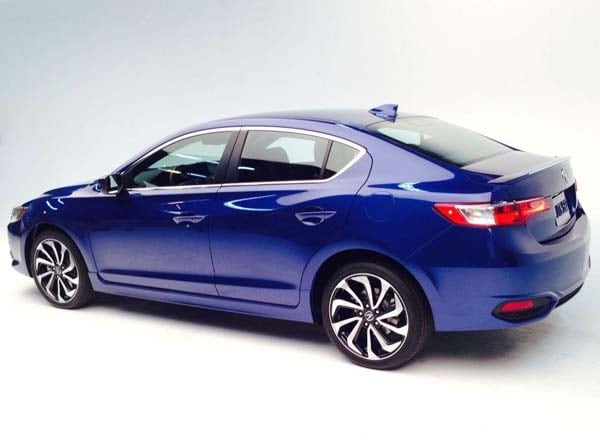
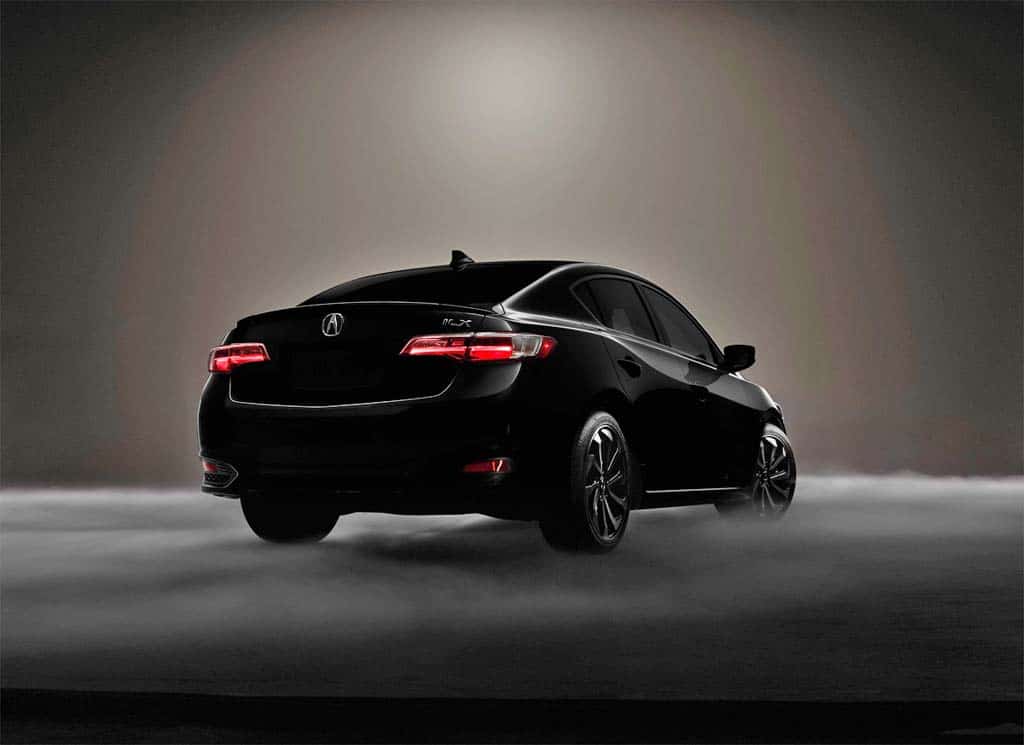
The Acura brand today celebrated sales in the U.S. of the 2 millionth North American-made Acura vehicle, 20 years after Acura production began in the U.S., as the first new 2016 Acura ILX sports sedan rolled off the assembly line at the Marysville Auto Plant in Ohio. The redesigned and reengineered 2016 ILX delivers more performance, more advanced technology and more luxury refinement than ever before.

"This year marks the 20th anniversary of the start of Acura production in Ohio, so the introduction of the ILX is another exciting stage in our history with the Acura brand," said plant manager Rob May. "Our associates are applying our tremendous experience in producing high quality Acura products and will leverage the production of TLX and ILX in one plant to meet the high expectations of our Acura customers."


Production of the Acura ILX, the gateway to the Acura sedan lineup, began in 2012 at the company's Greensburg, Indiana plant. It now will be produced alongside Acura's highest volume luxury sedan, the Acura TLX, which launched in August of last year. The Marysville Auto Plant has made major investments to further advance Acura quality with the launch of the TLX sedan and will continue to advance the world-class levels of quality for Acura customers with the launch of the new ILX.

"Reaching two million in sales of North American-made Acura vehicles as we begin production of the 2016 ILX at the Marysville Auto Plant portends great things for the Acura brand," said Michael Accavitti, senior vice president and general manager of the Acura Division. "We deeply appreciate the loyalty of our customers which fuels our desire to build Acura products of the highest quality in America."

The 2016 ILX gets a major injection of Acura performance DNA with the application of an all-new 2.4-liter DOHC direct-injected i-VTEC engine and 8-speed dual clutch transmission, the same powertrain that drives one version of the popular new Acura TLX sedan. The 2.4-liter engine that powers both the TLX and new ILX is produced at the nearby Anna, Ohio engine plant. The Marysville plant introduced new equipment and processes to support production of the 2016 Acura ILX, including new glass installation and rear suspension equipment.

Acura now has sold 2 million North American-made Acura vehicles to its customers in America, since U.S. production of the first Acura model began in 1995, with the Acura CL produced at the East Liberty Auto Plant. In 2014, 94 percent of Acura vehicles sold in America were made at the company's plants in Indiana, Ohio and Alabama, using domestic and globally sourced parts. Total U.S. sales of North American-made Acura models reached an all-time high of 158,043 vehicles in 2014, on total sales of 167,483 Acura performance-luxury cars and SUVs for the year.

Starting this fall, Acura will begin production of the next-generation Acura NSX supercar at the new Performance Manufacturing Center (PMC), located adjacent to the Marysville Auto Plant and the nearby development center of Honda R&D Americas, Inc., which led the development of the NSX.

Monday, 13 October 2014

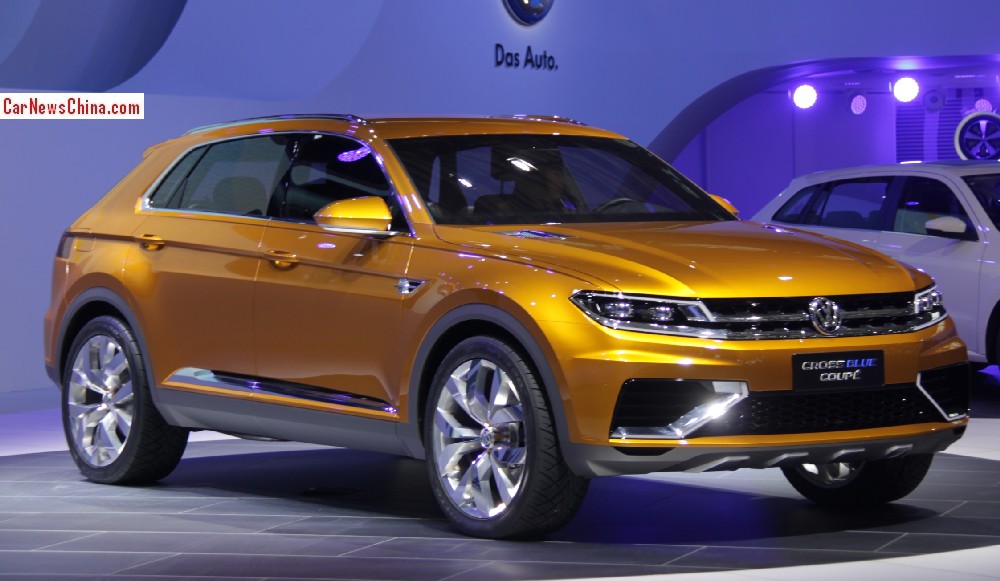
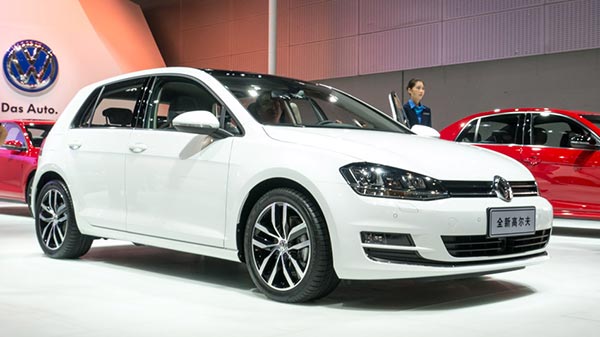
Volkswagen extends Chinese partnership until 2041.

  • Agreement signed in Federal Chancellery in presence of Chinese Premier Li Keqiang and Federal Chancellor Dr. Angela Merkel
  • Volkswagen and further Chinese joint venture partner SAIC agree on new proving ground in Xinjiang province
  • Prof. Dr. Winterkorn: “Together with its strong partners Volkswagen is focusing on innovation, eco-friendly technologies and excellently trained employees in China.”
  • Cooperation with Ministry of Education: Centers of competence for teacher training to be set up to strengthen expansion of dual vocational training system
After 20 years of successful cooperation the Volkswagen Group and its Chinese joint venture partner First Automotive Works (FAW) are extending their present partnership for a further 25 years, until the year 2041. In addition, the Volkswagen Group and the Chinese joint venture partner SAIC are investing in the Shanghai Volkswagen (SVW) proving ground in Xinjiang province, western China. Both agreements were signed in Berlin today in the presence of Li Keqiang, Premier of the People’s Republic of China, Dr. Angela Merkel, Chancellor of the Federal Republic of Germany, and Prof. Dr. Martin Winterkorn, Chairman of the Board of Management of Volkswagen Aktiengesellschaft. A joint memorandum concluded with the Chinese Ministry of Education concerning cooperation in the field of vocational training was already signed yesterday in Wolfsburg.

Based on today’s extended cooperation, Volkswagen and FAW will be able to significantly expand existing research and development activities in China and move into new business areas in the coming years, above all in the field of alternative drive technologies. The agreement was signed by Prof. Dr. Jochem Heizmann, Member of the Board of Management of Volkswagen Aktiengesellschaft with responsibility for China and President and CEO of Volkswagen Group China, and Xu Jianyi, Chairman of the FAW Group. Back in July of this year, Volkswagen and FAW agreed to expand their production capacity by building two new plants in Qingdao and Tianjin.
“Together with its strong partners Volkswagen is focusing on innovation, eco-friendly technologies and excellently trained employees in China. Today’s agreements pave the way for the sustainable development of China’s automotive industry and for the Volkswagen Group and its joint ventures to benefit from growth”, Winterkorn underscored during the signing ceremony.
Volkswagen is further expanding its activities in western China – and is joining up with the Chinese joint venture partner SAIC to invest some €100 million in a new proving ground in the Xinjiang region to test models from Shanghai Volkswagen. The facility will be built to the south east of the Urumqi plant commissioned in August 2013. Heizmann and Chen Zhixin, President of SAIC Motor Corporation, also signed a joint agreement to this effect today.
“Our success in China would not have been possible without our long-standing Chinese joint venture partnerships”, Heizmann commented. “We are firmly convinced the extended cooperation with FAW we signed today reinforces our excellent strategic position going forward. We will be introducing our newest testing methods in China at our new proving ground, and will be paying very close attention to the appropriate training for our employees. This is clear testimony of Volkswagen’s commitment to the Chinese market.”
As Prof. Dr. Horst Neumann, Member of the Board of Management of Volkswagen Aktiengesellschaft with responsibility for Human Resources, Organization and IT, underscored: “Dual vocational training along the lines of the system Volkswagen has implemented almost all over the world closely links theory and practice and ensures that young employees acquire a high standard of specialist skills. 
That is why we want to encourage even more higher vocational education institutions in China to commit to dual vocational training.” Together with Prof. Guiren Yuan, the Chinese Minister of Education, Neumann signed on Thursday in Wolfsburg a memorandum on cooperation in the field of vocational training in which the Volkswagen Group and the Chinese government undertake to expand the dual vocational training system in China. Plans include nine centers of competence for teacher training and for teaching programs that closely link theory and practice in line with the German vocational training principle. These educational facilities will specialize in tooling, automation technology, bodyshell technology and automotive technology as well as pedagogy. The first centers have already been set up in Changchun and Yizheng.
The Volkswagen Group is one of the most successful companies in the Chinese automobile industry. Together with its joint venture partners SAIC and FAW, the Volkswagen Group builds models from the Volkswagen Passenger Cars, Audi and ŠKODA brands for the Chinese market. Vehicle production includes engines and components manufactured locally by the Group and its partners. In total, the Volkswagen Group has a presence at 17 production locations in China comprising eight vehicle sites and nine component sites. Shanghai Volkswagen has already announced the building of a new factory in Changsha to expand vehicle production capacity. Furthermore, FAW-Volkswagen is to construct two new production plants in Qingdao and Tianjin.
In the first three quarters of this year, Volkswagen Group China together with its Chinese joint ventures Shanghai Volkswagen and FAW-Volkswagen delivered more than 2.7 million vehicles, an increase of 15.2 percent on the comparable prior-year period.