Purpose

I will try my best to provide detailed info on various cars and what is like to live with them, I have already produced a few for Jaguar-car-forums, I will do my best to be unbiased, but it will be hard for some cars. I will re-produce press releases and copy from other motoring news.
Showing posts with label voluntarily. Show all posts

Monday, 30 May 2016

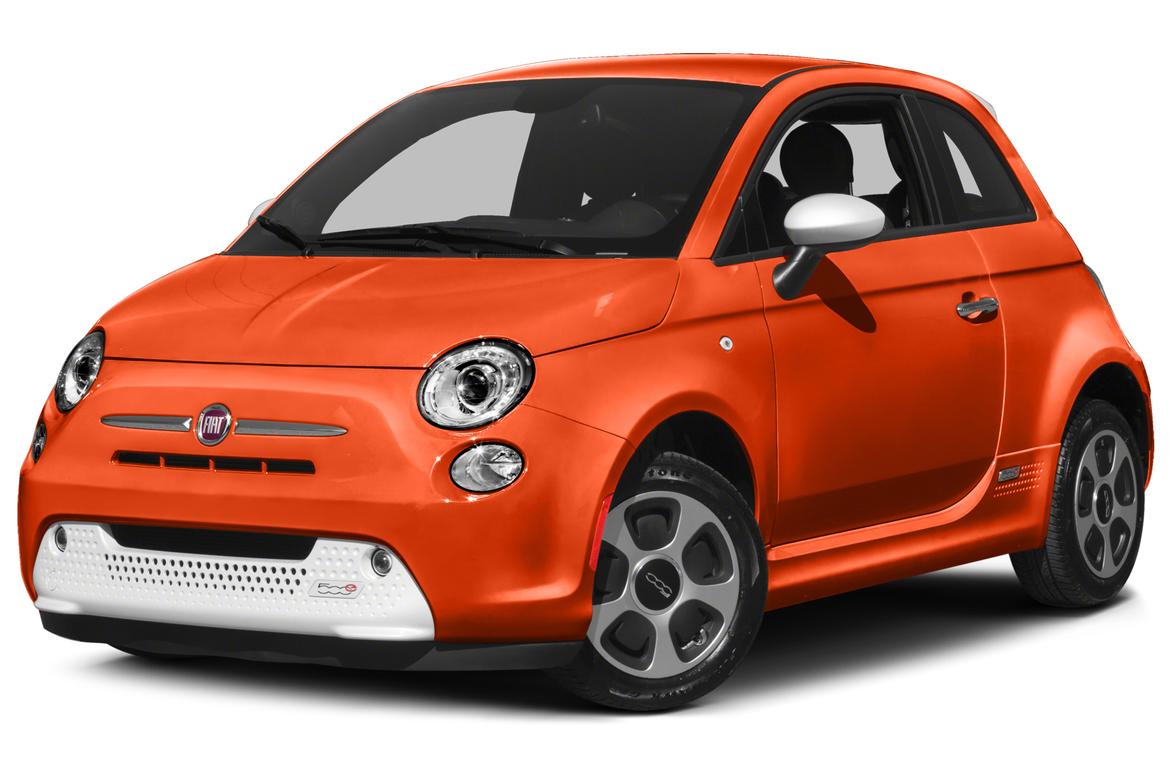
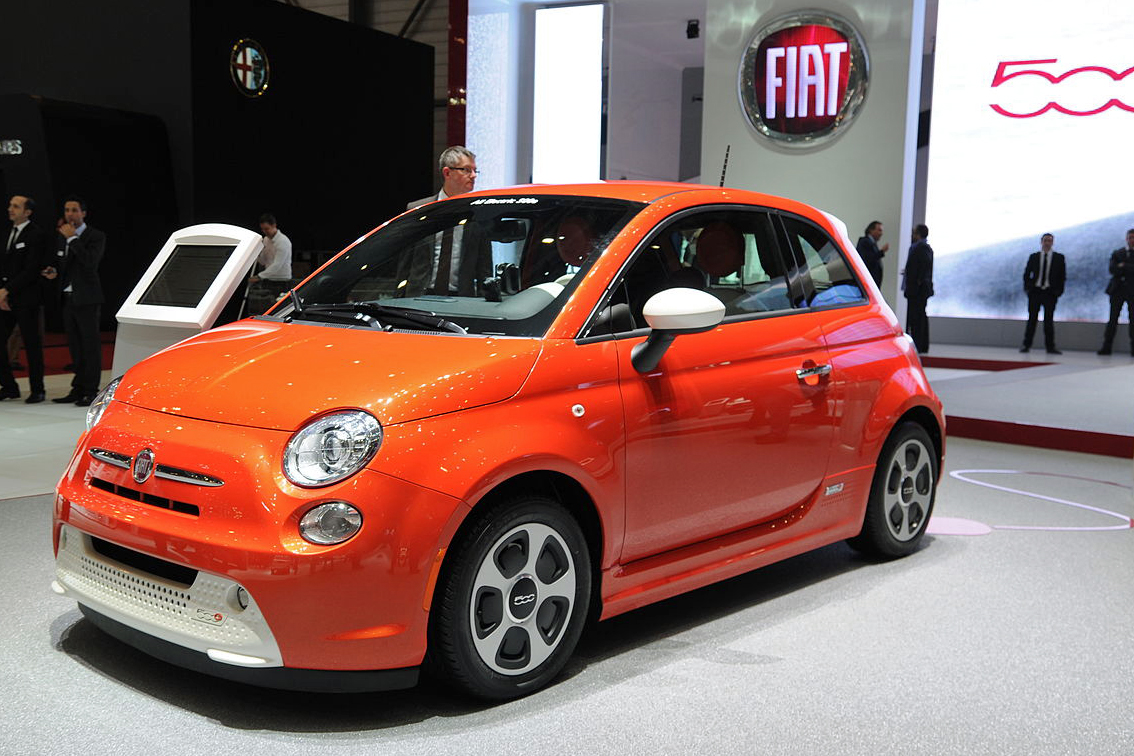
USA - Another FCA recall, this time the 500e for a software update to stop the car from cutting out.


FCA US LLC is voluntarily recalling an estimated 16,549 cars in the U.S. to update their software.


A routine component check by FCA US discovered certain vehicles are equipped with software that may misread operating conditions and shut down propulsion.


The Company is unaware of any related injuries or accidents.

Affected are model-year 2013-2016 Fiat 500e mini-compact cars. Service technicians will install the proper software.

Service availability is imminent. Affected customers will be advised when they may contact their dealers.

Customers with questions may call the FCA US Customer Care Center at 1-800-853-1403.

USA - FCA US LLC voluntarily recalls a further 4.3 million cars for MORE Takata Airbag issues.

FCA US LLC is voluntarily recalling an estimated 4.3 million older-model vehicles in the U.S. to replace their front-passenger air bag inflators.


This action follows a defect filing by supplier Takata Corp., which advised the National Highway Traffic Safety Administration (NHTSA) that the inflators use ammonium nitrate as a propellant, without benefit of a chemical drying agent. 


Prolonged exposure to high absolute humidity and high temperatures may cause this propellant to degrade. Activation of degraded non-desiccated ammonium nitrate may cause an inflator rupture, possibly propelling fragments through the vehicle cabin.

The Company is unaware of any injuries or accidents involving FCA US vehicles subject to this campaign; nor have there been any ruptures in nearly 6,300 exploratory tests of passenger-side inflators taken from FCA US vehicles registered in regions subject to high absolute humidity.

These test vehicles also were representative of the oldest vehicles in this recall population (mostly model years 2004 and 2005), thus experiencing the longest exposure to potentially problematic environmental conditions.

This campaign includes an estimated 1 million vehicles that would have been recalled at a later date under NHTSA’s coordinated remedy order. FCA US is accelerating its timetable to better serve its customers. Affected are certain vehicles within the following populations:

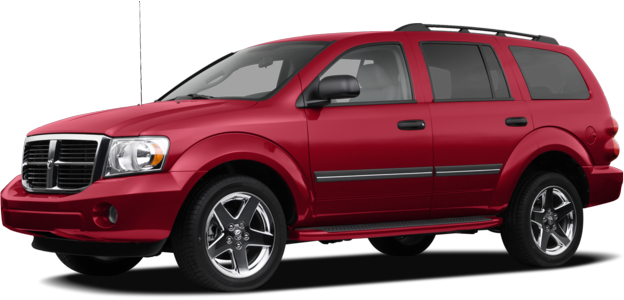
  • 2007-2009 Chrysler Aspen SUVs
  • 2005-2012 Chrysler 300 sedans
  • 2008-2012 Dodge Challenger coupes
  • 2006-2012 Dodge Charger sedans
  • 2005-2011 Dodge Dakota pickups
  • 2004-2009 Dodge Durango SUVs
  • 2005-2008 Dodge Magnum station wagons
  • 2004-2008 Dodge Ram 1500 pickups
  • 2005-2009 Dodge Ram 2500 pickups
  • 2006-2009 Dodge Ram 3500 pickups
  • 2007-2010 Dodge Ram/Ram 3500 cab chassis
  • 2008-2010 Dodge Ram/Ram 4500/5500 cab chassis
  • 2007-2012 Jeep Wrangler SUVs
  • 2006-2009 Mitsubishi Raider pickups
  • 2008-2009 Sterling/Bullet 4500/5500 cab chassis


An estimated 933,000 additional vehicles are affected in Canada, Mexico and outside the NAFTA region. They include certain pickups, SUVs and sedans exclusive to particular markets.

All affected customers will be advised when they may schedule service. In keeping with NHTSA’s coordinated remedy order, vehicles currently or previously registered in areas identified with high absolute humidity will be targeted first. These areas comprise:


  • Alabama
  • California
  • Florida
  • Georgia
  • Hawaii
  • Louisiana
  • Mississippi
  • South Carolina
  • Texas
  • Puerto Rico
  • American Somoa
  • Guam
  • Northern Mariana Islands (Saipan)
  • U.S. Virgin Islands

Citing exhaustive research, NHTSA has said the subject inflators “do not pose an unreasonable risk to safety under the Safety Act until they reach a certain level of propellant degradation.” Such degradation is “a function of time, temperature cycling and environmental moisture.”


Customers with questions may call the FCA US Customer Care Center at 1-800-853-1403.

Tuesday, 15 December 2015

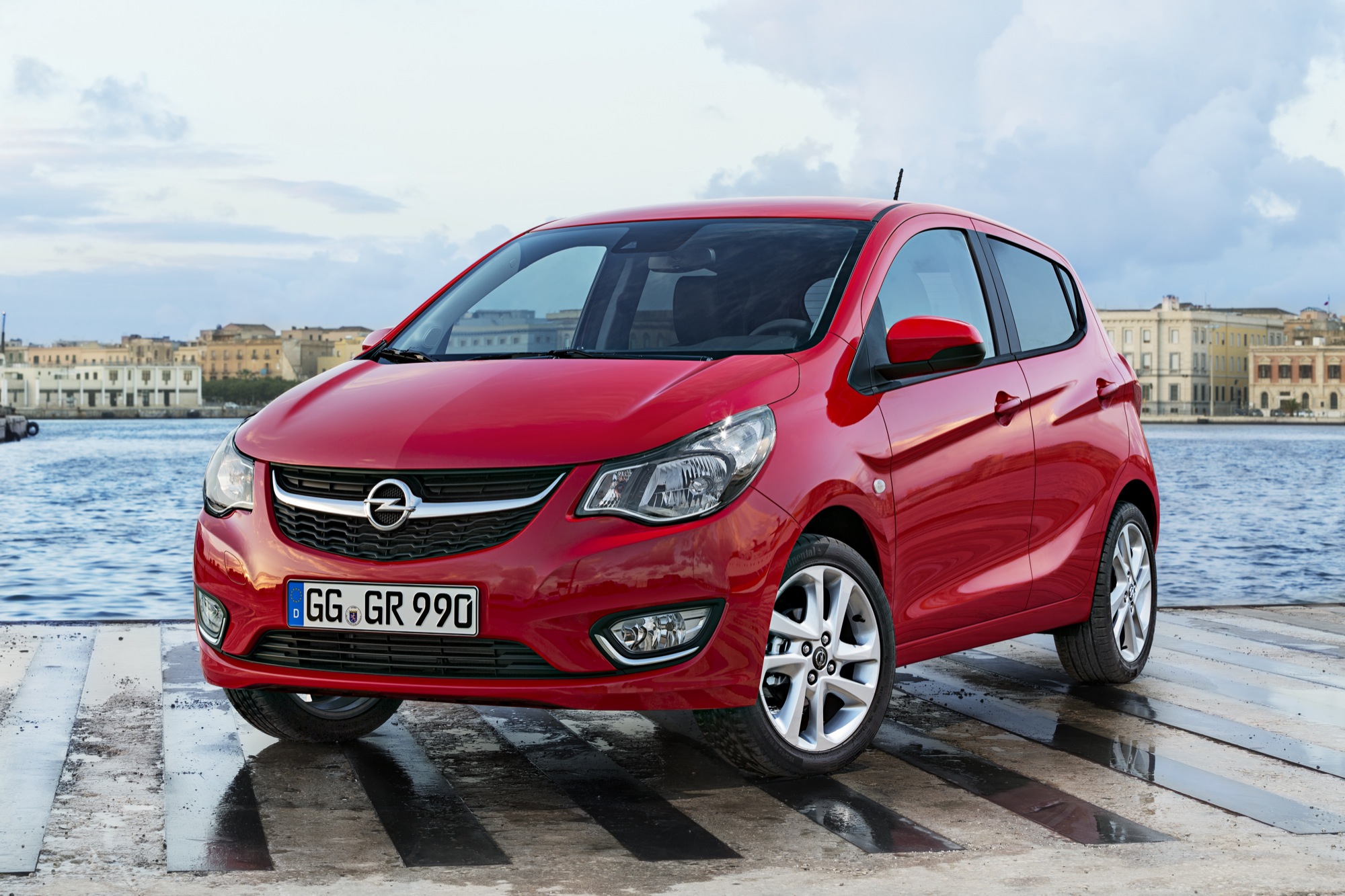
Opel to voluntarily re-test all its models for CO2 and NOX emissions after issues were raised.

  • Engineering initiative for more transparency and credibility
  • From Q2 2016, Opel will start publishing WLTP cycle fuel consumption numbers for specific models reflecting more everyday driving conditions
  • Engineers developing improved SCR diesel applications – improvement towards RDE NOx specifications, including voluntary customer satisfaction field action
Opel is voluntarily taking the next step to meet future emissions guidelines, both on CO2 and NOx. From Q2 2016, and in addition to the official fuel consumption and CO2 information, fuel consumption numbers recorded under the WLTP cycle will also be published. In addition, diesel engineers have recently started working on an initiative to implement NOx emission improvements on SCR (Selective Catalytic Reduction) diesel applications. 

This is a voluntary and early improvement towards the so-called RDE (Real Driving Emissions) legislation that goes into effect in 2017. Opel is committed to providing the testing authorities transparency.
“The events and discussions in the last weeks and months have shown that there is a tremendous focus on the automotive industry and it is now time to act based on the learnings,” says Opel Group CEO Dr. Karl-Thomas Neumann. 
“It is obvious to me that the diesel discussion is a turning point. The world is not as it was before. We cannot ignore this and it is in the hands of the automotive industry to change the perception of the new reality.”
Fuel Consumption and CO2
From Q2 2016, and in addition to the official fuel consumption and CO2 information of Opel models, fuel consumption numbers recorded under the WLTP cycle will be published, starting with the new Astra. This procedure has broad industry acceptance and has been developed to be more representative of what customers will experience in use. 
According to EU plans, the “New European Driving Cycle” (NEDC) will be replaced starting in 2017 with the more modern standard “Worldwide Harmonized Light Duty Vehicles Test Procedure” (WLTP). 
The WLTP – also a test conducted in laboratory conditions – is based on stringent test procedures, more consistent with fuel consumption and CO2 emissions in real-life road traffic. This new test cycle is important to maintain standardized, reproducible and comparable results.
SCR Technology
Related to NOx emissions, Opel is also acting right now. The Rüsselsheim automaker has started working on improved solutions for the effectiveness of exhaust gas treatment systems in Euro 6 diesel engines with SCR technology to make improvements in the direction of future RDE guidelines. RDE is the real driving emissions standard which supplements current test methods and measures a car’s emissions directly on the road.
"Our analyses in the last months show that we have no devices that tell us if our vehicles are in a test cycle or not. 
Nevertheless, we also believe that we are capable of further improving the effectiveness of reduction of oxides of nitrogen emissions from our Euro 6 diesels with SCR technology and so we are making an improvement towards future RDE specifications,” emphasizes Dr. Neumann. “We will use SCR as the mainstream system for Euro 6 diesel going forward as we continue to develop improved technologies to explore higher efficiencies.”
The work on this Euro 6 SCR improvement has started and we expect a production implementation as of the summer of 2016. This activity will also include a voluntary customer satisfaction field action that will involve 43.000 vehicles that are already on the road in Europe (Zafira Tourer, Insignia and Cascada).These vehicles will get a new calibration once it becomes available.
Opel CEO Dr. Neumann also calls for improving the transparency between automakers and authorities in Europe. “In the USA, the companies disclose their complete calibration philosophy to authorities. I would like to see us embrace this practice in Europe.” 
In this context, the Opel CEO also wants to suggest that all automakers that are active in Europe take part in a negotiated agreement for more transparency.